
What is a Thin-Section Bearing?A thin-section bearing is a widely used type of rolling-element bearing. It utilizes cylindrical or needle rollers positioned between inner and outer rings with matching cross-sectional dimensions. The typical structure comprises rolling elements, an inner ring, an outer ring, and a cage (retainer).In thin-section bearings, rolling elements—such as cylindrical rollers or tapered rollers—revolve between the inner and outer rings to minimize friction and support axial loads. The space between the inner and outer rings is maintained by a cage, typically made of metallic or engineered plastic materials.Because the inner and outer rings share identical cross-sectional dimensions, thin-section bearings deliver superior performance in load capacity and structural rigidity. They are extensively applied in industrial equipment and machinery, including wind turbines, machine tools, construction machinery, automobiles, and motorcycles.What Distinguishes Thin-Section Bearings from Other Bearing Types?Compared to standard bearing types, thin-section bearings stand out in several key performance areas:Higher Load CapacityThe layout of rolling elements provides more contact points, allowing thin-section bearings to handle greater radial and axial loads.Superior RigidityThe optimized structure significantly enhances overall stiffness, enabling the bearing to absorb external vibrations and impacts effectively.Enhanced ReliabilityEven contact distribution across the rolling elements reduces friction and wear, leading to a longer service life and higher operational reliability.Key Characteristics of Thin-Section BearingsHigh Load Capacity: The uniform cross-sectional dimensions of the inner and outer rings maximize load-carrying efficiency.Exceptional Stiffness: Fixed relative positioning and robust cage integration allow the bearing to resist structural deformation and severe vibration.High Rotational Speed: Compact internal volume minimizes friction generation, enabling elevated rotational speeds.Simplified Installation & Maintenance: Identical cross-sectional dimensions eliminate the need for complex relative positioning adjustments during assembly, while the streamlined design simplifies ongoing maintenance.Broad Adaptability: Capable of handling diverse load profiles and speed requirements across machine tools, heavy construction equipment, automotive, and power sports applications.Why Are Cross-Roller Bearings Used in Industrial Robots?Modern manufacturing increasingly relies on industrial robotics to replace manual labor, achieving higher precision and faster cycle times. The articulation, extension, and rotation of robotic arms depend heavily on cross-roller bearings.Below are the primary technical advantages of integrating cross-roller bearings into robotic joints:1. Exceptional Rotational PrecisionCross-roller bearings feature rollers arranged at $90^\circ$ right angles to each other in a V-shaped raceway. Separator retainers or isolation blocks prevent roller skewing and mutual friction, preventing torque spikes. This design eliminates single-sided roller contact or locking phenomena. Furthermore, because the inner and outer rings can be split, internal clearances can be fine-tuned—delivering ultra-precise rotational movement even under preload conditions.2. Streamlined Assembly & InstallationThe split outer or inner ring structure is permanently secured together after loading the rollers and separators. This design makes handling and mounting fast and straightforward during equipment assembly.3. Multi-Directional Load SupportThanks to the $90^\circ$ crossed roller arrangement within V-groove raceways, a single cross-roller bearing can simultaneously handle high radial loads, axial loads, and heavy moment (overturning) loads from any direction.4. Significant Space SavingsThe inner and outer ring dimensions are minimized to ultra-thin limits without sacrificing rigidity. This compact envelope makes them ideal for space-constrained applications, including:Industrial robot joints and swivelsRotary tables in machining centersRobotic manipulators and end-effectorsHigh-precision rotary tablesMedical diagnostic instruments & measuring equipmentSemiconductor and IC manufacturing devices5. Increased Structural RigidityBecause rollers are arranged orthogonally, a single cross-roller bearing replaces the combination of multiple traditional bearings. This layout boosts overall mechanical rigidity by 3 to 4 times compared to conventional bearing setups.ConclusionCross-roller bearings offer the ideal bearing solution for industrial robotics. By enabling flexible joint movement, delivering supreme rotational accuracy, simplifying installation, and handling complex combined loads within a highly compact footprint, they remain a foundational component in modern automation.
2026-09-28
More >>
A slewing bearing , also called a slewing ring bearing or slewing ring, is a large-diameter rolling-element bearing designed to support combined loads while allowing one machine component to rotate relative to another. Unlike conventional bearings, slewing bearings can accommodate relatively large axial and radial loads as well as overturning moments within a compact structural arrangement.They are widely used in excavators, cranes, wind turbines, construction machinery, industrial robots, rotary tables, and other equipment that requires controlled rotational movement.What Is the Structure of a Slewing Bearing?A typical slewing bearing consists of several key components:Inner ring– The inner ring contains the raceway and is connected to one part of the machine. Outer ring– The outer ring provides another raceway and is mounted to the stationary or rotating structure, depending on the application. Rolling elements– Balls or cylindrical rollers transfer loads between the raceways while reducing friction. Cage or spacer– It keeps the rolling elements properly separated and helps maintain their distribution around the raceway. Seals– Sealing elements help protect the raceways and rolling elements from dust, water, and other contaminants while retaining lubricant. Depending on the design, a slewing bearing may also include an integrated gearon the inner or outer ring. The gear can engage with a pinion to transmit driving torque and rotate the bearing assembly.The internal geometry varies according to the bearing type. Ball slewing bearings generally use point contact between the balls and raceways, while roller slewing bearings provide line contact. This difference affects load capacity, stiffness, friction, and suitability for different operating conditions.How Does a Slewing Bearing Work?The basic operating principle is similar to that of other rolling bearings: rolling elements move between precision-machined raceways, allowing one ring to rotate relative to the other with reduced friction.However, slewing bearings are specifically designed to handle combined loading.For example, an excavator slewing bearing may simultaneously experience:Axial loadcaused by the weight of the upper structure Radial loadgenerated during operation Overturning momentcaused by the position of the boom, arm, and payload These loads are transmitted from one ring to the other through the balls or rollers and their raceways.The bearing's internal contact geometry determines how these loads are distributed. In a four-point contact ball slewing bearing, for example, the raceway geometry allows the bearing to accommodate axial and radial loads as well as moment loads through the contact between the balls and raceways.For applications requiring higher stiffness or load capacity, roller-based designs may be used. Their line contact can provide greater load-carrying capability under appropriate operating conditions.The rotation itself can be driven externally by a hydraulic motor, electric motor, or other transmission system. When the slewing bearing has an integrated gear, a pinion engages with the gear teeth and transfers torque to rotate the connected structure.Key Factors Affecting Slewing Bearing PerformanceThe performance and service life of a slewing bearing depend on several factors, including:Applied axial and radial loads Overturning moment Rotation speed and operating cycle Raceway and rolling-element design Lubrication Mounting structure and bolt preload Alignment and deformation of the supporting structure Contamination and sealing conditions Therefore, selecting a slewing bearing should not be based only on bore diameter or external dimensions. The actual load spectrum, mounting conditions, operating environment, and required service life should also be considered.In the next part, we can look at the main types of slewing bearings , including four-point contact ball bearings, crossed roller bearings, and three-row roller bearings, and compare their structural characteristics and typical applications.
2026-09-21
More >>
Machine tool spindle bearings must operate under a demanding combination of high speed, precision, rigidity, and thermal stability. For this reason, precision angular contact ball bearings are widely used in CNC machine tools, grinding machines, machining centers, and high-speed electric spindles.However, bearing selection is not simply a matter of matching dimensions. Spindle speed, radial and axial loads, preload, lubrication, bearing arrangement, and thermal conditions all affect spindle performance.This guide explains the key factors to consider when selecting angular contact ball bearings for machine tool spindles.Why Are Angular Contact Ball Bearings Used in Machine Tool Spindles?Angular contact ball bearings can accommodate both radial and axial loads because of their internal contact angle. When used in matched sets, they can support axial loads in both directions and provide the rigidity required for precision spindle systems.They offer a practical combination of:High rotational accuracyHigh-speed capabilityRadial and axial load capacityGood spindle rigidityLow friction when properly selected and lubricatedThe appropriate bearing configuration depends on the actual spindle design and operating conditions.Contact Angle: 15° or 25°?Contact angle is an important factor in spindle bearing selection because it affects the balance between speed capability and axial load-carrying capability.Contact AngleTypical PriorityExample Applications15°High-speed operationHigh-speed milling, grinding, electric spindles25°Greater axial load capacityGeneral machining centers, mixed-duty spindlesA 15° contact angle is often selected when spindle speed is the primary consideration and axial loads are relatively moderate.A 25° contact angle provides greater axial load-carrying capability compared with a smaller contact angle and can be considered when cutting forces or axial rigidity requirements are higher.The choice should not be based on speed or load alone. Bearing size, preload, lubrication, cooling, and the complete spindle design should also be considered.Preload: Balancing Rigidity and SpeedPreload is commonly used in precision spindle bearings to improve rigidity and control internal clearance. However, excessive preload increases friction and heat generation, which can limit operating speed and affect bearing performance.In general:Higher preload→ higher rigidity, but potentially higher heat generationLower preload→ lower friction, but potentially lower rigidityFor high-speed spindles, preload should be matched to the actual operating speed, load, lubrication, and thermal conditions rather than simply selecting the highest available preload.A matched bearing set with controlled preload can help maintain consistent spindle performance and running accuracy.Bearing Arrangement: DB, DF or DT?The arrangement of angular contact ball bearings affects spindle rigidity, load capacity, and the way axial forces are supported.DB — Back-to-Back:The contact lines diverge outward, creating a wider effective bearing span. This arrangement is commonly used where good moment rigidity is required, such as spindle positions exposed to cutting forces.DF — Face-to-Face:The contact lines converge inward. Compared with DB, this arrangement can be more tolerant of certain shaft and housing alignment or thermal conditions, although its moment rigidity is generally lower.DT — Tandem:The bearings support axial loads in the same direction, which can increase axial load capacity. An opposing bearing arrangement is required when axial loads act in both directions.The appropriate arrangement should be determined according to the spindle's load path, required rigidity, thermal behavior, and shaft design.Lubrication for High-Speed SpindlesLubrication has a direct effect on bearing friction, heat generation, and operating speed.Grease LubricationGrease lubrication is relatively simple and can be suitable where the required speed and thermal conditions are compatible with the selected grease and bearing.Excessive grease, however, can increase churning and heat generation. Grease type and fill quantity should therefore be selected according to the bearing speed, temperature, and manufacturer's recommendations.Oil-Air LubricationOil-air lubrication supplies a controlled quantity of oil to the bearing, while compressed air transports the lubricant.It is widely considered for high-speed spindle applications where controlled lubrication and heat management are important.Oil-Jet LubricationOil-jet lubrication delivers a larger oil flow directly to the bearing and can also assist with cooling. It may be considered for demanding high-speed applications, although the system is generally more complex than grease or oil-air lubrication.Steel or Hybrid Ceramic Bearings?Hybrid ceramic angular contact ball bearings use silicon nitride balls with steel rings. Because ceramic balls are significantly lighter than steel balls, they can reduce centrifugal forces and sliding effects at high rotational speeds.Depending on the operating conditions, potential benefits include:Higher speed capabilityReduced centrifugal loadingLower friction under suitable conditionsGood resistance to adhesive wearPotentially improved thermal performanceHowever, hybrid ceramic bearings are not automatically the right choice for every spindle.For lower-speed or heavier-load applications, conventional steel bearings may be appropriate. The decision should consider spindle speed, load, preload, lubrication, operating cycle, and required service performance.Bearing Selection by ApplicationDifferent machine tool applications place different demands on spindle bearings.ApplicationKey PriorityBearing ConsiderationsHigh-speed millingSpeed and thermal stability15° configuration, suitable preload, high-speed lubricationCNC machining centersRigidity and versatility15° or 25°, arrangement and preload matched to cutting conditionsGrinding spindlesAccuracy and vibration controlHigh-precision bearings, suitable speed and lubrication configurationDrilling and tappingAxial load and rigidityConsider greater axial load capacity and the complete load/speed cycleFor example, a high-speed milling spindle may prioritize rotational speed and thermal stability, while a drilling or tapping spindle may place greater emphasis on axial load capacity and rigidity.Common Mistakes When Selecting Machine Tool Spindle BearingsSeveral common mistakes can reduce spindle performance:Choosing bearings by dimensions alone:Bore and outside diameter are only the starting points.Using excessive preload:Higher preload does not always mean better spindle performance.Using too much grease:Excess grease can increase friction and heat at high speed.Ignoring thermal expansion:Spindle temperature changes can affect internal bearing conditions and preload.Incorrect installation:Shaft and housing fits, mounting accuracy, cleanliness, and installation procedures all affect bearing performance.ZYS Precision Angular Contact Ball Bearings for Machine Tool SpindlesZYS develops and manufactures precision angular contact ball bearings for high-speed and high-precision applications.The product range covers bore diameters from 8 to 360 mmand includes:High-speed angular contact ball bearingsUltra-high-speed angular contact ball bearingsHigh-speed sealed angular contact ball bearingsHigh-speed spindle bearingsPrecision spindle bearing series include 718, 719, 70, and 72, with contact angles of 15° and 25°.Depending on the application, the bearings can be used with grease, oil-air, or oil-jet lubrication.For machine tool spindle applications, bearing selection can be evaluated according to spindle speed, radial and axial loads, preload, bearing arrangement, lubrication, accuracy requirements, and thermal conditions.Frequently Asked QuestionsWhat type of bearing is commonly used in machine tool spindles?Precision angular contact ball bearings are widely used in machine tool spindles because they can accommodate radial and axial loads while providing high rotational accuracy and rigidity.Is a 15° or 25° contact angle better for a spindle?Neither is universally better. A 15° contact angle is often considered for high-speed applications, while a 25° contact angle can provide greater axial load-carrying capability. The final choice depends on the spindle's speed, load, rigidity, preload, and thermal conditions.Why is preload important in spindle bearings?Preload helps control internal clearance and improve spindle rigidity and running accuracy. Excessive preload, however, can increase friction and heat generation.Should high-speed spindles use hybrid ceramic bearings?Hybrid ceramic bearings can be considered for demanding high-speed applications because their lighter ceramic balls can reduce centrifugal effects. However, the choice should be based on the complete operating conditions rather than speed alone.What is the difference between DB and DF bearing arrangements?DB (back-to-back) provides a wider effective bearing span and is commonly selected when higher moment rigidity is required. DF (face-to-face) can offer greater tolerance for certain alignment and thermal conditions, but generally provides lower moment rigidity than DB.How should angular contact ball bearings be selected for a machine tool spindle?Start with the spindle speed, radial and axial loads, bearing dimensions, and required accuracy. Then evaluate contact angle, preload, bearing arrangement, lubrication, material, and thermal conditions as a complete system.ConclusionSelecting angular contact ball bearings for a machine tool spindle requires more than matching bearing dimensions. Contact angle, preload, arrangement, lubrication, bearing material, speed, load, and thermal conditions need to work together.For high-speed applications, a 15° configurationand suitable high-speed lubrication may be considered. When axial load and rigidity become more important, a 25° configurationmay provide a suitable solution.The final bearing selection should always be verified against the actual spindle design and operating conditions.For technical support on precision angular contact ball bearings for machine tool spindles, ZYS can evaluate bearing requirements based on spindle speed, load, dimensions, lubrication method, and application conditions.
2026-09-14
More >>
How to Choose Precision Bearings for Machine Tool Spindles | ZYS Technical Guide Choosing the right precision bearing for a machine tool spindle s critical to machining accuracy, spindle speed, rigidity, vibration performance, and service life. For high-speed and high-precision machine tools, bearing selection should consider more than bearing dimensions alone. Accuracy grade, bearing type, rolling element material, contact angle, preload, internal clearance, speed requirements, load, lubrication, and mounting conditions all need to be evaluated together. For many high-speed machine tool spindles, precision angular contact ball bearings are widely used because they can provide high rotational accuracy and high-speed performance while supporting combined radial and axial loads. However, the best bearing configuration depends on the actual spindle operating conditions and performance requirements. What Are Precision Spindle Bearings? Precision spindle bearings are high-accuracy rolling bearings designed for applications where rotational accuracy, speed, rigidity, and thermal performance are important. Machine tool spindles are a typical example. During machining, the spindle must rotate accurately while maintaining sufficient stiffness under cutting loads. Any excessive bearing runout, deformation, vibration, or thermal growth can directly affect machining quality and surface finish. Common bearing types used in precision spindle systems include: Precision angular contact ball bearings Precision cylindrical roller bearings Double-direction angular contact thrust ball bearings Tapered roller bearings Among these, angular contact ball bearings are widely used in high-speed spindle applications. ZYS produces high-speed precision angular contact ball bearings in 718, 719, 70, and 72 series for machine tools, motorized spindles, motors, and power tools. Why Is Bearing Selection Important for Machine Tool Spindles? A spindle bearing is not simply a component that supports a rotating shaft. Its characteristics directly influence the overall performance of the spindle system. The main factors affected by bearing selection include: Rotational accuracy Spindle limiting and operating speeds Radial and axial stiffness Cutting stability and chatter resistance Vibration and noise levels Operating temperature and thermal growth Service life and reliability For example, increasing bearing preload can improve rigidity and reduce internal clearance, but excessive preload increases friction and heat generation, leading to premature failure. Similarly, selecting a bearing based only on its load rating without considering speed and lubrication can result in poor spindle dynamics. Therefore, bearing selection should always be treated as a system-level engineering decision. 1. Select the Appropriate Bearing Type & Configuration The first step is to determine what type of load, speed, and stiffness the spindle requires. Angular Contact Ball Bearings (Steel & Hybrid Ceramic Options) Precision angular contact ball bearings are the premier choice for high-speed machine tool spindles. Their raceway geometry allows them to support combined radial and axial loads. Contact Angle Selection: 15° (C Angle): Provides higher speed capability and lower temperature rise; ideal for ultra-high-speed, light-duty machining. 25° (AC Angle): Offers higher axial stiffness and higher axial load-carrying capacity; preferred for heavy-duty cutting spindles. Hybrid Ceramic Bearings (Silicon Nitride Si₃N₄ Balls): For ultra-high-speed CNC spindles and motorized spindles, selecting silicon nitride ceramic balls instead of steel balls reduces centrifugal force, minimizes friction, lowers thermal expansion, and significantly increases speed capability while extending service life. ZYS offers 718, 719, 70, and 72 series precision angular contact ball bearings in both steel ball and hybrid ceramic ball options for machine tool spindles. Cylindrical Roller Bearings Precision cylindrical roller bearings (such as NN30 and N10 series) are selected when higher radial load capacity and radial stiffness are required. Because cylindrical roller bearings use line contact between the rolling elements and raceways, they offer outstanding rigidity and load capacity, though their allowable rotational speed is generally lower than that of ball bearings. They are commonly installed at the front end of heavy-duty machine tool spindles. Double-Direction Angular Contact Thrust Ball Bearings Double-direction angular contact thrust ball bearings (such as the 2344 series) are specifically designed to carry two-way axial loads. They feature a 60° contact angle, providing exceptional axial stiffness. In spindle designs, they are frequently paired with double-row cylindrical roller bearings to decouple radial and axial loads, delivering high overall stiffness and running precision for medium-speed heavy-cutting spindles. Tapered Roller Bearings Tapered roller bearings support heavy combined radial and axial loads and are suited for low-to-medium-speed, heavy-duty spindles (e.g., heavy lathes or boring machines) where maximum load capacity and rigidity are essential. However, speed, heat generation, preload control, and lubrication require precise evaluation. 2. Consider Bearing Accuracy & Mating Component Precision Bearing accuracy is fundamental to spindle precision. Running accuracy directly dictates spindle rotational accuracy and, consequently, workpiece surface quality. ZYS technical guidance notes that the accuracy of the spindle shaft and housing bores must match the accuracy class of the bearing (e.g., ISO Class 4 / Class 2 or P4 / P2). Selecting a high-precision bearing alone is not sufficient—the surrounding components must match: Spindle shaft and housing bore dimensional tolerances Geometric tolerances (roundness, cylindricity, coaxiality) Surface finish and shoulder perpendicularity Precision locknut accuracy For thin-section precision bearings (such as the 718 and 719 series), housing or shaft geometric errors can easily deform the thin bearing rings, negatively affecting running accuracy, clearance, and preload. 3. Match the Bearing Size to the Spindle Requirements Bearing size should be selected by balancing spindle diameter, available space, load, rigidity, and speed requirements. A larger bearing is not automatically better. For high-speed spindle applications, a smaller cross-section series may offer major advantages by reducing pitch circle diameter, pitch line velocity, and heat generation. ZYS technical guidance categorizes precision angular contact bearings into 718, 719, 70 and 72 series. 4. Evaluate Spindle Speed & Cooling Conditions High-speed capability is a core requirement for modern CNC machinery. The allowable limiting speed of a spindle bearing depends on: Bearing type, size, and dimensional series Rolling element material (Steel vs. Ceramic) Cage material and guidance design Accuracy grade and internal clearance Preload magnitude Operating load and direction Lubrication method (Grease, Oil-Air, or Minimum Quantity Lubrication) Spindle cooling system design 5. Choose the Appropriate Bearing Preload Preload eliminates internal clearance, optimizes stiffness, and controls ball skidding during rapid acceleration. Light Preload: Recommended for ultra-high-speed spindles with light cutting loads to minimize heat generation. Medium Preload: Provides a balanced compromise between stiffness, heat control, and high speed. Heavy Preload: Selected for low-speed, high-rigidity heavy machining applications. 6. Consider Bearing Arrangement & Matching Standards Precision spindle bearings are frequently used in matched sets to achieve higher load capacity and directional rigidity. Common duplex and multi-bearing arrangements include: DB (Back-to-Back): Provides high moment rigidity and accepts axial loads in both directions; ideal for most spindle arrangements. DF (Face-to-Face): Less sensitive to housing misalignment, accepts axial loads in both directions. DT (Tandem): Shares axial load in one direction for heavy thrust cutting; often combined with a DB set. ZYS matched spindle bearings adhere to strict matching tolerances. Parameters such as bore diameter differences, outside diameter differences, ring radial runout, contact angle consistency, and preload protrusion gaps are precisely ground. Purchasing loose single bearings will not deliver the accuracy or performance of a factory-matched set. 7. Select the Correct Lubrication Strategy Lubrication directly controls operating temperature, friction, wear, and service life. Grease Lubrication: Cost-effective, simple sealing, clean operating environment; suitable for low-to-medium dN values . Oil-Air Lubrication: Delivers precise oil volume dynamically, minimizes friction, and provides continuous air sealing; essential for high-speed and ultra-high-speed spindles. 8. Ensure Accurate Mounting and Assembly Procedures Improper mounting can destroy a high-precision bearing before it completes a single turn. Key pre-assembly and mounting steps: Thoroughly clean the shaft, housing, and clamping sleeves. Inspect shaft/housing shoulder runout and end-face perpendicularity. Use precision-ground locknuts to prevent uneven clamping forces. Never transmit mounting forces through the rolling elements. Use proper mounting tools and thermal heating/cooling assembly procedures. Precision Spindle Bearing Selection Checklist Selection Factor Key Evaluation Metric Bearing Type Radial and axial load magnitudes, load directions, and operating conditions Element Material Steel balls for standard applications vs. Ceramic balls (Si₃N₄) for high speed/low heat Contact Angle 15° (C) for high speed vs. 25° (AC) for high axial stiffness Dimensional Series 718/719 for ultra-high speed/compact space vs. 70/72 for heavy load/rigidity Accuracy Grade ISO P4, P2, or equivalent accuracy matching the spindle shaft/housing Preload Level Light, Medium, or Heavy depending on speed vs. stiffness trade-off Bearing Arrangement Matched sets (DB, DF, DT, or combination sets) for load capacity and moment stiffness Lubrication System Grease lubrication vs. Oil-Air lubrication based on dN value and cooling design Mating Precision Tolerances, shoulder squareness, and runout of the shaft, housing, and locknuts Common Mistakes When Selecting Spindle Bearings Selecting Solely by Bore Diameter: Matching bore size alone ignores speed ratings, heat generation, contact angles, and preload requirements. Over-specifying Preload: Choosing maximum preload to maximize stiffness often causes rapid thermal breakdown at high speeds. Using Catalog Speed Ratings blindly: Catalog speeds are base benchmarks; real allowable speeds depend on actual lubrication, ambient cooling, and preload dynamic changes. Neglecting Assembly Precision: Installing P2/P4 precision bearings into out-of-round housing bores or using unground locknuts negates the precision of the bearing. Engineering Support from ZYS ZYS designs and manufactures precision bearings for machine tools, motorized spindles, and high-performance industrial equipment. Its comprehensive product line includes: High-Speed Precision Angular Contact Ball Bearings (718, 719, 70, 72 series in Steel & Hybrid Ceramic) Precision Cylindrical Roller Bearings (NN30, N10 series) Double-Direction Angular Contact Thrust Ball Bearings (2344 series) Precision Ball Screw Support Bearings Frequently Asked Questions (FAQ) Q: Why are hybrid ceramic angular contact ball bearings preferred for high-speed spindles?A: Ceramic (Si₃N₄) balls are 60% lighter than steel balls, reducing centrifugal force and gyroscopic moments at high speeds. They also have a lower thermal expansion coefficient and lower friction, significantly reducing heat generation. Q: How do I choose between a 15° and 25° contact angle?A: Choose 15° (C) for higher speeds and predominantly radial loads. Choose 25° (AC) when higher axial stiffness and higher axial load-carrying capacity are required. Q: Does higher preload always improve spindle performance?A: No. While higher preload improves rigidity, excessive preload drastically increases friction, heat generation, and thermal expansion, reducing bearing life. Q: Can I replace a matched bearing set with individual single bearings of the same model?A: No. Matched spindle bearing sets are precision-ground together to enforce uniform load distribution, exact contact angles, and predetermined preload gaps. Loose individual bearings will not perform correctly. Conclusion Selecting precision bearings for a machine tool spindle requires a system-level evaluation. Engineers must evaluate bearing type, element material, contact angle, accuracy class, size series, speed limits, preload, matched configuration, lubrication, and mounting conditions as an integrated assembly. Need expert support for your spindle design? Contact the ZYS technical engineering team today for customized spindle bearing calculations, matched configuration advice, and tailored precision bearing solutions.
2026-09-07
More >>
A custom bearing inquiry almost always starts with a drawing specifying the Bore, Outside Diameter (OD), and Width. However, dimensional envelope alone is rarely enough to guarantee reliable performance.Unlike off-the-shelf catalog bearings, ordering custom bearings requires evaluating the component as part of an integrated dynamic system. A bearing that fits perfectly can still fail due to:· Insufficient dynamic load capacity· Thermal clearance loss after press-fit· Incompatible lubrication at operating speeds· Inadequate housing/shaft geometric tolerances1. Application-First RFQ StrategyTo prevent premature failure, transition your RFQ from a purely dimensional request to an application-driven profile.Key System Parameters to Provide:Duty Cycle: Continuous operation vs. frequent start/stop, shock loads, or peak accelerations.Operating Envelope: Continuous/max speed (RPM), ambient & operating temperatures, environmental exposure (moisture, dust, chemicals).Target Lifespan: Required L10h service life under real-world fatigue stress (referencing ISO 281 standards).2. Technical Evaluation BreakdownA. Load & Speed InteractionsDo not evaluate load and speed as isolated limits. They directly impact friction, heat generation, and cage fatigue.Load Spectrum: Detail the radial vs. axial distribution, directionality, and alternating dynamic loads to determine the true equivalent bearing load.Speed Dynamics: Specify speed ramp rates, continuous vs. peak RPM, and cooling/heat-dissipation capabilities of the surrounding structure.B. Operating Internal Clearance (Not Just Catalog Classes)Pre-assembly clearance differs significantly from running clearance. Your RFQ should allow manufacturers to calculate the final operating fit by accounting for:Interference Fit Reduction: Expansion/contraction from shaft and housing fits.Thermal Gradients: Temperature differentials between inner and outer rings during operation.C. Mating Components & Precision RequirementsProvide shaft and housing drawings alongside the bearing draft. Evaluation Area Key Parameters Needed Impact on Bearing Performance Shaft & Housing Tolerances, shoulder heights, fillet radii, surface finish Prevents stress concentrations and misalignment Precision Class Machine runout targets, rotational accuracy, noise/vibration targets Tailors ISO/ABEC precision class without over-specifying cost 3. Materials, Lubrication & Sealing StrategyRFQ Material Matrix├── Bearing Rings & Elements ──► Chrome Steel (Standard) / Stainless / Ceramic (High-speed/Insulated)├── Cage Architecture ──► Pressed Steel / Machined Brass / High-Temp Polymer└── Sealing & Lubrication ──► Open / Shielded / Contact Seals (Matched to Grease/Oil Viscosity)Lubrication Selection: Base grease or oil specifications on operating temperature, viscosity requirements, relubrication intervals, and churning heat risks at high RPM.Customization Scope: Clarify if your project requires:· Modified Standard Bearing (Dimensional tweaks, special clearance, or custom grease)· Customized Family Architecture (Modified internal geometry or roller profiles)· Fully Custom Ground-Up Design (Unique envelope, integrated flanges, or custom race profiles)4. Custom Bearing RFQ Master ChecklistUse this structured checklist before submitting your inquiry to a bearing manufacturer:Technical Parameters· Geometry: Bore, OD, Width, Shaft/Housing tolerances, shoulder dimensions· Load Profile: Dynamic/static radial load, axial load, moment load, shock factors· Speed Profile: Operating RPM, maximum speed, acceleration/deceleration rate· Thermal Profile: Ambient temperature range, max operating temperature, heat dissipation· Clearance & Preload: Target operating clearance, mounting fit preferences· Environment & Sealing: Exposure to dust/water, chemical contact, seal type preferenceQuality & Supply Chain Requirements· Precision & Running Accuracy: Required precision grade, target runout levels· Inspection & Documentation: Material certs, heat-treat logs, dimensional reports· Validation Standards: Prototype sample volume, bench test conditions, target delivery timeline· Production Planning: Initial prototype batch size vs. Estimated Annual Volume (EAV)5. Vendor Evaluation & Prototype ValidationQuestions to Ask Potential Suppliers:· Which dynamic load parameters were used to calculate the recommended bearing internal geometry?· What fit tolerances are recommended for our shaft and housing drawings?· What parameters will be inspected and documented for each production batch?Prototype Acceptance Protocol:Treat initial prototype runs as an engineering validation milestone rather than a standard small production order. Establish explicit testing criteria for:· Temperature rise under full load· Dynamic runout and rotational torque· Vibration/noise spectrum limits· Seal effectiveness and grease retention
2026-08-31
More >>
Deep groove ball bearings are designed to operate with a controlled amount of internal clearance between the rolling elements and raceways. Although bearing clearance is usually specified by a small code such as C2, CN, C3, or C4, its influence on bearing performance is significant.Internal clearance directly affects the load distribution between the balls and raceways, operating friction, temperature rise, structural vibration, noise, and overall bearing service life. More importantly, the clearance specified for a new unmounted bearing is not necessarily the clearance that the bearing will maintain after installation or during operation.Selecting the correct deep groove ball bearing clearance requires more than simply choosing between CN and C3. Shaft and housing fits, operating temperature differences, rotational speed, dynamic load, and mounting conditions must all be evaluated as an integrated system.What Is Deep Groove Ball Bearing Internal Clearance?Bearing internal clearance is the total distance that one bearing ring can move relative to the other ring when the bearing is unmounted and subjected to no external load.For a deep groove ball bearing, internal clearance is evaluated in two fundamental directions:Radial Internal Clearance (RIC): The total radial movement of one ring relative to the other ring perpendicular to the bearing center axis.Axial Internal Clearance: The total displacement of one ring relative to the other along the bearing axis.Radial internal clearance is the standard parameter specified in bearing catalogues and designation codes. At ZYS, radial clearance is measured as the total displacement from one extreme position to the opposite position when one bearing ring is held fixed.Radial Internal Clearance vs. Axial Internal ClearanceA common point of confusion in power transmission maintenance is the mathematical relationship between radial and axial clearance. Radial internal clearance is the primary classification metric used for deep groove ball bearings. However, axial clearance is not a simple linear multiplier of radial clearance.Axial clearance cannot be calculated using a fixed formula like Axial Clearance = Radial Clearance x Constant. Instead, the relationship depends on several interdependent design variables:Raceway groove curvature radius ratioBall diameter and quantityRadial internal clearance magnitudeContact angle developed under axial thrustBecause of the internal geometry of deep groove ball bearings, a small amount of radial clearance creates a significantly larger magnitude of axial play. When radial clearance increases, axial play increases non-linearly. Therefore, specifying a C3 bearing to accommodate thermal expansion will also result in greater allowable axial movement, which must be accounted for if precise axial positioning is required.Classification of Deep Groove Ball Bearing ClearanceAccording to ISO standards and ZYS manufacturing criteria, radial internal clearance is divided into five standardized groups:C2 → CN → C3 → C4 → C5The magnitude of internal clearance increases sequentially from C2 to C5:C2: Clearance smaller than normal CN: Normal internal clearance (standard baseline) C3: Clearance greater than normal C4: Clearance greater than C3 C5: Clearance greater than C4ZYS uses CN for standard radial internal clearance. The letters C2, C3, C4, and C5 identify clearance ranges below or above the normal range. In standard bearing designation suffixes, the CN mark is generally omitted unless specifically required for clarification.When Is CN Normal Clearance Appropriate?CN, or normal clearance, is designed for conventional operating conditions where mounting fits and operating environments fall within standard ranges.A CN deep groove ball bearing is typically suitable when:Shaft and housing fits follow standard ISO tolerance recommendations.Operating temperatures remain moderate without extreme heat sources.The thermal expansion difference between the inner and outer rings is minimal.Mounting interference does not excessively contract the outer ring or expand the inner ring.The application is not subjected to severe impact loads or extreme rotational speeds.For standard industrial gearboxes, moderate-duty pumps, general machinery, and household appliances, CN clearance provides a reliable starting baseline.When Should C2 Clearance Be Selected?C2 represents a radial internal clearance group smaller than the normal CN baseline.A smaller clearance group is specified when an application demands minimal internal movement, smooth rotational stability, and reduced vibration, provided that mounting and thermal conditions will not eliminate operational clearance entirely.Typical applications for C2 clearance include:Configurations where both inner and outer rings are mounted with loose fits.Operating environments with low ambient temperatures.Precision instruments or small equipment requiring low noise levels and low running vibration.Light-duty machinery where minimal deflection under radial load is mandatory.Selecting C2 based purely on the assumption that tighter internal tolerances equal higher precision is a common mistake. If a C2 bearing is mounted with tight interference fits or experiences a temperature gradient during operation, the remaining internal clearance can quickly drop to zero, leading to thermal locking and severe premature fatigue.Understanding C3 Clearance: Debunking the High-Speed MythC3 clearance is greater than normal CN clearance and represents one of the most frequently specified clearance classes in modern industrial equipment.C3 clearance is typically required under the following conditions:The inner ring is mounted onto the shaft with a heavy interference press fit.The bearing operates at elevated continuous temperatures.Heat dissipates through the shaft, creating a severe temperature difference between the inner and outer rings.Heavy or shock loads demand tighter shaft fits to prevent ring creeping.A Critical Clarification on Speed and C3 Clearance:It is commonly stated that high-speed applications automatically require C3 clearance. However, high rotational speed itself does not automatically dictate C3.The true engineering logic is: High Rotational Speed → Increased Frictional Drag & Heat Generation → Elevated Temperature Rise → Differential Thermal Expansion → Loss of Internal Clearance → Requirement for Larger Initial Clearance (C3).C3 is not selected simply because the shaft spins fast; it is selected because high-speed friction generates thermal differentials that consume the original unmounted clearance.Why Are C3 Deep Groove Ball Bearings Commonly Used in Electric Motors?Electric motors represent one of the most common applications for C3 deep groove ball bearings. Understanding motor operating dynamics highlights why C3 bearing clearance is so widely adopted in this sector.An electric motor bearing operates under a unique combination of physical stresses:Shaft Expansion: Motor shafts are typically machined for interference fits to transmit torque securely without micro-motion, expanding the inner ring.Rotor Heat Transfer: Electric motor windings and rotor bars generate significant internal heat. This heat transfers directly through the motor shaft to the bearing inner ring.Temperature Differential: The inner ring operates at a higher temperature than the outer ring, which is cooled by air flow across the motor end bells and frame.High Rotational Speed: Continuous high speeds accelerate internal grease friction and thermal expansion.If a standard CN clearance bearing is installed in a high-efficiency electric motor under tight fits, the combined effect of press-fit expansion and inner ring thermal growth will crush the internal clearance.Using a C3 deep groove ball bearing ensures that after mounting expansion and thermal growth take place, the remaining running clearance remains in the ideal target zone.What Are C4 and C5 Clearances Used For?C4 and C5 represent clearance classes significantly larger than C3.The progression of clearance scale follows: CN < C3 < C4 < C5.C4 and C5 clearances are reserved for extreme operating conditions where heavy clearance reduction is unavoidable, such as:Equipment operating near high-heat radiation sources (e.g., steel rolling mills, industrial kilns, drying machinery).Systems with extremely heavy press fits on both inner and outer rings.Heavy vibratory screens where severe vibration and impact loads cause structural deformation.Excessive clearance can cause localized load concentration, increased noise, and vibration. C4 or C5 clearance should only be specified when precise thermal and fit calculations justify the need.The Three Life Stages of Bearing ClearanceTo correctly specify a deep groove ball bearing, engineers must distinguish between the three sequential stages of bearing clearance:Stage 1: Initial Clearance (Unmounted State) The internal clearance of the bearing as manufactured in the factory before installation, categorized as C2, CN, C3, C4, or C5 according to ISO standards.Stage 2: Mounted Clearance (Installation State) The actual clearance remaining after the bearing is pressed onto the shaft or into the housing. Formula: Mounted Clearance = Initial Clearance - Expansion from Inner Ring Fit - Contraction from Outer Ring Fit.Stage 3: Operational Clearance (Running State) The real-time internal clearance during continuous machine operation. Formula: Operational Clearance = Mounted Clearance - Thermal Expansion Differences + Elastic Deformation under Load.The ultimate objective of bearing selection is to achieve an optimal operational clearance slightly above zero during steady-state operating temperatures.What Happens When Running Clearance Is Incorrect?Operating with Insufficient Clearance (Too Tight):Exponential rise in operating friction and torque.Rapid thermal expansion leading to thermal runaway.Lubricant film breakdown and rapid oxidation.Severe micro-spalling along raceways and rolling elements.Sudden bearing seizure.Operating with Excessive Clearance (Too Loose):Uneven load distribution across fewer rolling elements.High localized contact stress on raceways.Increased radial play, shaft runout, and rotational instability.Higher operational noise and elevated high-frequency vibration.Accelerated mechanical fatigue.How to Select the Right Deep Groove Ball Bearing ClearanceTo optimize bearing selection for your machinery, follow these essential engineering steps:Step 1: Define the Application Environment Identify the equipment type, mounting orientation, and environmental ambient conditions.Step 2: Calculate Operational Speeds Determine the working speed relative to the bearing's thermal reference speed.Step 3: Analyze Thermal Gradients Estimate the operating temperature difference between the inner ring (shaft) and outer ring (housing).Step 4: Verify Shaft and Housing Fit Tolerances Calculate the exact radial contraction or expansion resulting from press-fit interference.Step 5: Determine Target Operational Clearance Select the initial clearance class (C2, CN, C3, C4, C5) that yields a near-zero or slightly positive operational clearance during steady-state running.ZYS Engineering Support for Custom Bearing ApplicationsAs a specialized bearing technology research institute and high-precision manufacturer, ZYS evaluates internal clearance as an integrated functional parameter of total equipment performance rather than a simple suffix code.Selecting the optimal deep groove ball bearing clearance requires balancing shaft tolerances, operating temperatures, rotational speeds, and dynamic loads. Defaulting to standard clearance codes can lead to unexpected downtime if operational variables are not accounted for.Need help selecting the right bearing clearance for your application? ZYS technical engineers can analyze your shaft and housing fits, thermal gradients, speed curves, and load profiles to recommend the ideal bearing configuration. Contact our engineering team today for personalized technical support and custom bearing solutions.
2026-08-24
More >>
Bearings used in petroleum machinery are not working in an ordinary industrial environment. Oilfield equipment may be exposed to heavy loads, vibration, shock loads, abrasive drilling fluids, contamination, temperature changes and continuous operation. In this type of application, bearing selection is not simply a matter of choosing a bearing with the correct dimensions.The bearing must be matched to the actual operating conditions of the equipment.For drilling equipment, mud pumps, drilling motors, rotary tables and other petroleum machinery, the right bearing design can directly affect equipment reliability, maintenance intervals and operating performance. This article explains the main factors engineers should consider when selecting petroleum machinery bearings.What Makes Petroleum Machinery Bearings Different?The main challenge is the combination of several demanding operating conditions.A bearing in an oilfield application may have to carry high radial or axial loads while also dealing with vibration, impact and contamination. In drilling equipment, the situation can be even more severe because drilling fluid may contain water, sand, rock particles and other contaminants.For example, bearings in mud pumps are exposed to high radial loads generated by the pump's reciprocating mechanism. Industry sources note that mud pump bearing positions can include the crosshead, eccentric, crankshaft main and drive shaft locations, with operating pressures reaching very high levels.This is why petroleum machinery bearings normally require more careful consideration of load capacity, internal design, materials, lubrication and sealing than bearings used in less demanding machinery.Where Are Petroleum Machinery Bearings Used?Petroleum machinery covers a wide range of equipment, so the bearing requirements can vary considerably.Typical applications include:• Mud pumps and fracturing pumps• Drilling motors• Drilling rigs• Rotary tables• Top drives• Drawworks and winches• Oilfield pumps• Compressors• Gearboxes• Other drilling and production equipmentDifferent bearing arrangements may be used within the same machine. For example, drilling equipment can contain cylindrical roller bearings, spherical roller bearings, tapered roller bearings, thrust bearings and other application-specific designs.Mud Pump Bearings: A Typical High-Load ApplicationMud pumps are one of the most demanding applications for oilfield bearings.The pump circulates drilling fluid through the drilling system and normally operates continuously during drilling. The crankshaft and other rotating components are subjected to substantial loads and vibration.Bearing selection for a mud pump should therefore consider:Load capacityThe bearing needs sufficient dynamic and static load capacity for the actual operating conditions. Peak loads should not be ignored simply because the average operating load is lower.Shock and vibrationReciprocating equipment can generate fluctuating and impact loads. Bearing arrangements must be able to tolerate these conditions without excessive wear or premature fatigue.LubricationA suitable lubrication system is essential. Insufficient lubrication can increase friction and temperature, while excessive or unsuitable lubricant can also cause operating problems.ContaminationDrilling environments are rarely clean. Abrasive particles and moisture can enter the bearing system if sealing and maintenance are inadequate. Contamination is particularly damaging because particles can produce abrasive wear on rolling and sliding surfaces.Bearing Types Commonly Considered for Petroleum MachineryThere is no single bearing type suitable for every oilfield application. The correct choice depends on the load direction, speed, available space, misalignment, lubrication and operating environment.Cylindrical Roller BearingsCylindrical roller bearings are often considered where high radial load capacity is required. They are particularly relevant to heavy-duty applications such as mud pumps and other rotating machinery.For petroleum machinery, the internal design, clearance, cage construction and lubrication conditions should be evaluated together rather than selecting the bearing based only on basic load rating.Tapered Roller BearingsTapered roller bearings can accommodate combined radial and axial loads, making them useful where both load directions are present.They are commonly used in oilfield equipment such as drilling machinery and sheave systems. Spherical Roller BearingsSpherical roller bearings are useful when high radial loads are combined with potential misalignment.This characteristic can be valuable in large and heavily loaded oilfield equipment. In drawworks applications, for example, spherical roller bearings can accommodate misalignment while providing high load capacity.Mud Motor BearingsDrilling motor bearings represent an especially demanding category of petroleum machinery bearings.Located close to the drilling end of the drill string, these bearings may experience high loads, elevated temperatures, impact conditions and direct exposure to contaminated drilling fluid. Specialized multi-row bearing arrangements and application-specific materials may therefore be required.ZYS also lists mud lubricating bearings for drill motors within its petroleum machinery bearing range, reflecting the specific requirements of drilling applications.Why Lubrication MattersLubrication is one of the first things to check when investigating premature bearing failure.The lubricant has several functions: it reduces friction, separates contacting surfaces, helps control temperature and can provide a degree of protection against contamination and corrosion.However, simply adding more lubricant does not solve a lubrication problem. The lubricant type, viscosity, quantity, replenishment interval and delivery method all need to match the bearing and operating conditions.Oil contamination is another important issue. Water, particles, chemicals and other contaminants can affect lubricant performance and accelerate wear or corrosion.For oilfield equipment, lubrication should therefore be considered as part of the complete bearing system rather than as an independent maintenance task.Contamination and SealingIn petroleum machinery, contamination control can be just as important as bearing load capacity.Mud, dust, water and other particles can reach the bearing through inadequate sealing, damaged seals or poor maintenance practices. In mud pump applications, drilling fluid may contain abrasive particles that can accelerate wear on bearing surfaces.Depending on the equipment design, engineers may need to consider:• Seal design• Bearing housing protection• Lubricant cleanliness• Shaft and housing tolerances• Installation practices• Inspection and maintenance intervalsA high-quality bearing cannot compensate for a poorly protected bearing housing.How to Select Petroleum Machinery BearingsWhen selecting bearings for oilfield equipment, it is useful to work through the following questions:What are the actual radial and axial loads?Do not rely only on nominal machine specifications. Consider operating loads, peak loads and load fluctuations.What is the operating speed?Bearing speed affects heat generation, lubrication requirements and allowable operating conditions.Is there impact or vibration?Reciprocating pumps and drilling equipment may experience significant shock and vibration. The bearing arrangement should be evaluated for these conditions.Is misalignment possible?If shaft or housing misalignment is expected, a self-aligning bearing arrangement may be more appropriate than a rigid arrangement.How severe is the contamination?The presence of drilling mud, water, dust or abrasive particles should be considered when determining sealing, lubrication and bearing design.What is the operating temperature?Temperature affects lubricant viscosity, dimensional stability, clearance and bearing life. Temperature fluctuations should also be considered for equipment operating outdoors or in changing field conditions.How difficult is bearing replacement?For large petroleum machinery, maintenance access can have a major influence on total operating cost. Bearing design and mounting arrangements should be considered together with installation and replacement requirements.The Bearing Is Only One Part of the SystemA common mistake in bearing selection is to focus only on the bearing itself.In real oilfield equipment, bearing performance depends on the interaction between the bearing, shaft, housing, lubricant, seals and operating environment.For example, a bearing with a high load rating may still experience premature failure if the shaft and housing fits are incorrect. Similarly, a properly selected bearing may not achieve its expected service life if abrasive contamination enters the lubrication system.This is why experienced bearing manufacturers generally evaluate the complete application before recommending a bearing solution.Final ThoughtsPetroleum machinery bearings work under some of the most demanding conditions found in industrial equipment. Heavy loads, shock, vibration, contamination, temperature variation and continuous operation can all affect bearing performance.For this reason, selecting an oilfield bearing should begin with the application rather than the bearing number.Mud pump bearings, drilling motor bearings, tapered roller bearings, cylindrical roller bearings and spherical roller bearings each have their own areas of application. The final choice should be based on the actual load, speed, lubrication, contamination level, misalignment and maintenance requirements of the equipment.For engineers and equipment manufacturers, this application-based approach is usually a more reliable starting point for achieving longer bearing life and more stable petroleum machinery operation.ZYS provides petroleum machinery bearing solutions including mud lubricating bearings for drill motors, supported by its bearing design, manufacturing and precision-processing capabilities.
2026-08-17
More >>
In rolling bearing manufacturing, material properties directly determine bearing service life, reliability, and operating limits under severe working conditions. Currently, high-carbon chromium bearing steels—such as standard GCr15 and GCr15SiMn—remain the industry benchmark. However, as modern equipment demands higher speeds, heavier loads, elevated temperatures, and operation in hostile environments, bearing materials are undergoing rapid evolution. Key development trends center on the following advanced material categories:Key Material Development Directions1. High-Hardenability Bearing SteelsTo meet the requirements of large-scale and thick-walled bearing components, high-hardenability bearing steels like GCr15SiMo and GCr18Mo have been engineered. These alloys maintain a uniform hardened microstructure across larger cross-sectional areas, significantly enhancing overall structural strength and fatigue life. They are widely applied in large-diameter bearings and heavy-duty industrial machinery.2. Surface-Hardened Bearing SteelsIn heavy-impact applications such as railway rolling stock and steel rolling mills, surface-hardened steels like GCr4 are commonly used. Utilizing medium-frequency induction heating followed by rapid cooling, a hard surface case of controlled depth is formed over a tough core. This dual-structure provides high surface hardness alongside high core toughness, dramatically improving resistance to both fatigue and impact loads.3. Advanced Stainless Bearing SteelsWhile conventional stainless bearing steels like 9Cr18 and 9Cr18Mo (equivalent to AISI 440C) deliver decent corrosion resistance, they tend to form coarse eutectic carbides that impair fatigue life and surface finish.0.7C-13Cr Martensitic Stainless Steel: Formulated with optimized carbon and chromium levels, this alloy reduces eutectic carbide clusters, boosting contact fatigue performance, toughness, and corrosion resistance. It is primarily used in precision, rust-prone applications like hard disk drive (HDD) bearings and medical devices.High-Nitrogen Stainless Steel (HNS): Developed in Germany, HNS leverages nitrogen alloying to elevate both corrosion resistance and fatigue endurance. In water-submerged operating environments, its service life can reach several times that of standard bearing steel.4. High-Strength Alloy SteelsJapan’s GT-series bearing steels feature optimized micro-alloying to boost matrix strength, core toughness, and tempering resistance. Tailored for heavy-load or lightweight bearing designs, these steels exhibit exceptional operating life under clean-lubrication conditions.5. Contamination-Resistant Bearing SteelsIn practical operations, airborne dust and wear particles suspended in lubricants create micro-indentations on bearing raceways. These indentations cause localized stress concentrations, leading to premature fatigue spalling. To combat this issue, Japanese manufacturers introduced the TF Series (including TF, HTF, STF, and NTF steels).By fine-tuning carbon content and alloy ratios, these steels promote fine carbide dispersion while increasing retained austenite levels. This relaxes localized stress concentration around indentation edges. Under contaminated lubrication, bearings made from TF-series steel show a 4 to 10-fold increase in service life.6. Sub-High Temperature Bearing SteelsStandard GCr15 bearings operating continuously between 100°C and 200°C are prone to forming low-hardness "white-etching bands" in the subsurface layer, leading to early failure. Specialized sub-high temperature steels—such as NTJ2 and KUJ7—incorporate higher proportions of Cr, Si, and Mo to suppress white-band formation. This ensures long operational life and dimensional stability at operating temperatures ranging from 150°C to 180°C, making them essential for automotive engines, alternators, and thermal processing equipment.7. High-Temperature Bearing SteelsExtreme operating regimes in aerospace demand capabilities far beyond traditional metallurgy. Early high-temperature bearing steels (e.g., T1, T2, T10, M50) offered high elevated-temperature hardness but suffered from high alloy cost and poor fracture toughness.To overcome these limits, new-generation high-temperature carburized steels were developed in Europe and the US, including M50NiL, CBS1000, and RBD.M50NiL features fine surface carbides accompanied by beneficial residual compressive stresses after carburization, while achieving 2.5 times the core toughness of traditional M50. Today, it serves as the primary material for mainshaft bearings in advanced aerospace gas turbines.SummaryThe evolution of rolling bearing materials is focused on achieving higher strength, increased reliability, superior contamination tolerance, enhanced corrosion resistance, and high-temperature capability. As new-energy equipment, and high-end manufacturing continue to evolve, ongoing advancements in bearing metallurgy will remain a crucial pillar of mechanical performance.
2026-08-10
More >>
Selecting the right bearing is one of the most important decisions in machine design and equipment maintenance. Even a high-quality bearing can experience premature failure if its load capacity, operating speed, lubrication method, or operating environment does not match the application.Rather than simply choosing a bearing with the highest load rating, engineers should evaluate the actual working conditions of the equipment. Load direction, rotational speed, contamination, temperature, and maintenance requirements all influence bearing performance and service life.This guide outlines the key considerations for selecting industrial bearings and explains how different bearing types perform under various operating conditions. 1. Match the Bearing Type to the LoadUnderstanding how forces act on the shaft is the first step in bearing selection. Different bearing designs are optimized for different combinations of radial and axial loads.Deep Groove Ball BearingsDeep groove ball bearings are among the most widely used bearing types because of their versatility and low rolling resistance. Their point-contact design enables high rotational speeds while supporting primarily radial loads together with moderate axial loads in both directions.Best suited for: High-speed operation Low-friction applications Moderate radial and axial loads Typical applications: Electric motors Pumps Fans Household appliances General industrial machinery Cylindrical Roller BearingsCylindrical roller bearings use line contact instead of point contact, allowing them to carry substantially higher radial loads while maintaining excellent rigidity. Many designs also permit axial displacement between the inner and outer rings, making them suitable for shafts that experience thermal expansion.Best suited for: Heavy radial loads High structural rigidity Precision rotating equipment Typical applications: Machine tool spindles Industrial gearboxes Compressors Pump shafts Tapered Roller BearingsTapered roller bearings are specifically designed to support combined radial and axial loads. Their conical geometry distributes forces efficiently, making them an excellent choice for applications subjected to significant thrust loads.Best suited for: Combined radial and axial loads Heavy-duty transmission systems High-load rotating assemblies Typical applications: Automotive wheel hubs Industrial gearboxes Construction machinery Mining equipment Spherical Roller BearingsSpherical roller bearings feature two rows of barrel-shaped rollers running in a common spherical raceway. This design allows the bearing to accommodate shaft misalignment while carrying extremely heavy radial loads and moderate axial loads.They are particularly valuable where shaft deflection, installation inaccuracies, or vibration cannot be completely avoided.Best suited for: Heavy loads Shock loading Shaft misalignment Harsh operating environments Typical applications: Vibrating screens Mining crushers Paper mills Material handling equipment 2. Consider Speed RequirementsBearing speed capability is determined by rolling element geometry, cage design, lubrication, and heat generation.In general, ball bearings can operate at higher limiting speeds than roller bearings because they produce less rolling friction under comparable operating conditions. For high-speed equipment such as electric motors or CNC machine tools, selecting the appropriate bearing type is just as important as selecting the correct size.When operating at elevated speeds, engineers should also consider: Precision classes (such as ISO P5 or ISO P4) to reduce vibration and improve running accuracy. Cage materials, including machined brass for demanding industrial environments or polyamide cages for high-speed, low-friction applications. Lubrication methods that effectively remove heat generated during continuous operation. Selecting a bearing solely based on load capacity without considering speed limitations may result in excessive operating temperatures and reduced service life. 3. Evaluate the Operating EnvironmentOperating conditions often determine bearing reliability as much as mechanical loading.Dust, moisture, chemicals, and temperature fluctuations can significantly shorten bearing life if appropriate sealing and lubrication are not selected. Choosing the correct bearing configuration helps minimize contamination while reducing maintenance requirements.Open BearingsOpen bearings are suitable for enclosed systems where clean circulating oil continuously lubricates the bearing, such as industrial gearboxes.Sealed Bearings (2RS)Rubber contact seals provide excellent protection against dust, water, and fine contaminants. They are commonly used in outdoor equipment, agricultural machinery, and applications exposed to moisture.Shielded Bearings (ZZ)Metal shields offer protection against larger particles while maintaining lower friction than contact seals. They are well suited to clean, high-speed operating environments. 4. Select the Appropriate Lubrication MethodProper lubrication is essential for reducing friction, minimizing wear, and dissipating heat.Inadequate lubrication and contamination are widely recognized as two of the most common causes of premature bearing failure. Selecting the appropriate lubricant should therefore be considered during the initial bearing selection process rather than after installation.Grease LubricationGrease is the preferred choice for most industrial applications because it is simple to apply, requires minimal maintenance, and remains within the bearing for extended operating periods.Oil LubricationOil lubrication is recommended for applications involving high rotational speeds, elevated temperatures, or continuous operation where heat removal is critical.The lubricant should always be selected according to operating temperature, speed, load, and maintenance intervals. 5. Verify Product Quality Before ProcurementSelecting the correct bearing design is only part of the process. Bearing quality has an equally important impact on long-term performance.Before purchasing industrial bearings, engineers and OEM buyers should verify: Bearing material and heat treatment quality. Appropriate internal clearance (such as CN or C3) for the operating temperature. Manufacturing consistency and dimensional accuracy. Quality management certification, such as ISO 9001. Material traceability and inspection documentation when required for critical applications. Working with an experienced bearing manufacturer helps ensure consistent product quality and reliable technical support throughout the equipment lifecycle. Quick Bearing Selection Reference Operating Condition Recommended Bearing Type High speed with low friction Deep Groove Ball Bearing Heavy radial loads Cylindrical Roller Bearing Combined radial and axial loads Tapered Roller Bearing Heavy loads with shaft misalignment Spherical Roller Bearing ConclusionSuccessful bearing selection is not about choosing the strongest or most expensive bearing—it is about matching the bearing design to the actual operating conditions. Evaluating load direction, rotational speed, lubrication, sealing, and environmental factors together helps improve equipment reliability, reduce maintenance costs, and extend service life.If your application requires customizedbearing solutions or technical support, working with an experienced bearing manufacturer can help identify the most suitable bearing configuration for your specific operating conditions.
2026-07-27
More >>
IntroductionHigh-precision spindle bearings are at the heart of modern CNC machine tools, determining spindle accuracy, rotational speed, rigidity, and long-term reliability. Even with a well-designed spindle, improper bearing selection or preload can lead to excessive heat generation, vibration, premature wear, and reduced machining accuracy.Engineers often focus on spindle power or motor performance while overlooking the bearing arrangement that ultimately supports the rotating system. In practice, many spindle failures are caused not by bearing quality, but by selecting the wrong bearing series, contact angle, preload, or installation method.This guide explains the key factors involved in selecting high-precision spindle bearings and provides practical recommendations for optimizing spindle performance in high-speed machining applications.1. Select the Right Bearing SeriesPrecision angular contact ball bearings for machine tool spindles are commonly available in four ISO dimension series: 718, 719, 70, and 72. Each series offers a different balance between speed capability, rigidity, and load capacity.718 SeriesThe 718 series has the smallest cross-section for a given bore diameter, resulting in lower rotating mass and excellent high-speed capability. Because of its relatively lower load capacity, it is typically used in compact electric spindles, high-speed grinding spindles, and applications where space is limited.719 SeriesThe 719 series provides an excellent balance between speed capability and load capacity. Compared with the 718 series, it offers improved rigidity while maintaining excellent high-speed performance, making it one of the most widely used bearing series for modern machining centers.70 SeriesThe 70 series is considered the standard choice for many CNC spindle applications. It combines good rotational speed, high rigidity, and sufficient load capacity, making it suitable for general milling, drilling, and grinding operations.72 SeriesThe 72 series features a larger cross-section and higher load capacity than the previous series. It is preferred for applications requiring greater spindle rigidity and resistance to heavy cutting forces, although its maximum operating speed is generally lower.Selection Tip Choose 718 or 719 when maximum spindle speed is the primary objective. Choose 70 or 72 when rigidity and cutting stability are more important than ultimate rotational speed. 2. Choose the Appropriate Contact AngleContact angle directly influences the balance between spindle speed and axial stiffness.15° Contact Angle (C)Bearings with a 15° contact angle generate lower frictional torque and are therefore better suited to high-speed operation. They are commonly used in grinding spindles, precision finishing equipment, and other applications where thermal stability is critical.25° Contact Angle (AC)A 25° contact angle provides greater axial rigidity and higher axial load capacity. These bearings are better suited to machining operations involving heavy drilling, face milling, or intermittent cutting loads, although the increased contact angle generally reduces maximum speed capability.Rather than asking which contact angle is "better," engineers should determine which best matches the spindle's operating conditions.3. Steel Bearings or Hybrid Ceramic Bearings?As spindle speeds continue to increase, hybrid ceramic bearings have become increasingly common in high-performance machine tools.Hybrid bearings combine hardened bearing steel rings with silicon nitride (Si₃N₄) ceramic balls, offering several advantages over conventional all-steel bearings.Lower Centrifugal ForceSilicon nitride balls are significantly lighter than steel balls. Their lower mass reduces centrifugal forces acting on the rolling elements during high-speed rotation, helping maintain stable running conditions.Better Thermal StabilityCeramic balls have a much lower coefficient of thermal expansion than bearing steel, reducing changes in preload caused by temperature rise and improving spindle accuracy during continuous operation.Higher Wear ResistanceThe high hardness of ceramic rolling elements improves resistance to surface wear and contamination, contributing to longer bearing service life under demanding operating conditions.Field ExperienceDuring spindle rebuilding projects, excessive operating temperature is often attributed to bearing quality. In reality, the root cause is frequently excessive preload, improper shaft fits, or insufficient lubrication. Hybrid ceramic bearings can improve high-speed performance, but they cannot compensate for incorrect spindle assembly.4. Selecting the Correct PreloadPreload eliminates internal clearance and ensures continuous contact between the rolling elements and raceways. Proper preload improves spindle rigidity, positioning accuracy, and vibration performance.However, excessive preload increases friction and heat generation, while insufficient preload reduces stiffness and may allow rolling element skidding.Most precision spindle bearings are supplied in three preload classes.Light PreloadLight preload minimizes friction and heat generation, making it suitable for very high-speed electric spindles, internal grinding machines, and applications with relatively light cutting loads.Medium PreloadMedium preload provides an effective balance between rigidity and speed capability. It is the most common choice for machining centers and general-purpose CNC spindles.Heavy PreloadHeavy preload maximizes spindle stiffness and minimizes displacement under heavy cutting forces. It is generally selected for heavy-duty machining applications operating at moderate speeds, where rigidity is more important than maximum RPM.Practical RecommendationWhen selecting preload, avoid assuming that "more preload means better performance." The optimum preload is the one that provides sufficient rigidity while maintaining acceptable operating temperature throughout the spindle's working cycle.5. Bearing Arrangement MattersHigh-speed spindle bearings are rarely installed individually. They are typically mounted in matched sets to achieve the required rigidity and load distribution.Common arrangements include: DB (Back-to-Back): Offers high moment stiffness and is widely used in machining center spindles. DF (Face-to-Face): Better accommodates slight shaft misalignment but provides lower moment rigidity. DT (Tandem): Increases axial load capacity in one direction and is often combined with another bearing set in complex spindle designs. Universal matched bearings are factory-ground to achieve the specified preload automatically when assembled, eliminating the need for manual adjustment in most applications.6. Installation Practices That Protect Bearing PerformanceEven the highest-quality spindle bearings can fail prematurely if installation procedures are not properly controlled.For reliable performance: Verify shaft and housing tolerances before assembly to prevent excessive interference or insufficient fit. Keep all components clean throughout the assembly process, as microscopic contamination is a common cause of vibration and early raceway damage. Never transmit mounting force through the rolling elements during installation. Use appropriate bearing heaters or hydraulic mounting tools instead of hammering bearings into position. Apply the recommended grease quantity for high-speed applications. Over-greasing can generate excessive heat and increase friction. Perform a controlled run-in procedure after assembly, gradually increasing spindle speed while monitoring temperature and vibration. Many spindle problems identified during maintenance originate from installation errors rather than manufacturing defects.ConclusionSelecting high-precision spindle bearings involves much more than choosing a bearing size. Bearing series, contact angle, rolling element material, preload, matching arrangement, and installation quality all influence spindle accuracy, rigidity, operating temperature, and service life.Rather than relying on a single "best" bearing, engineers should evaluate the application's speed, load conditions, machining process, and thermal requirements to determine the most suitable configuration. Careful bearing selection, combined with proper installation and preload control, helps maximize spindle performance while reducing maintenance costs and extending equipment life. For demanding spindle applications, early technical evaluation of bearing arrangement and preload can significantly reduce design risks and improve long-term machining reliability.
2026-07-20
More >>
In the world of rotating machinery and industrial engineering, selecting the right bearing system is a critical decision that directly affects machine efficiency, lifespan, operational noise, and overall maintenance costs. Two of the most commonly compared technologies are hydrodynamic bearings (often called fluid film or journal bearings) and rolling bearings (including ball and roller bearings).While both systems serve the same fundamental purpose—supporting a rotating shaft and reducing friction—they achieve this through entirely different physical principles. If you are a machine designer, maintenance engineer, or procurement professional, understanding these differences is key to optimizing your system performance.This technical guide breaks down the core differences, advantages, and ideal use cases for both bearing types.The Core Principles: How They WorkTo understand their performance differences, we must look at how each bearing handles the load.Hydrodynamic Bearings (Fluid Film Bearings) Hydrodynamic bearings do not contain any rolling balls or rollers. Instead, they rely on a continuous, pressurized film of lubricant (typically oil) to completely separate the rotating shaft from the stationary bearing sleeve.As the shaft begins to rotate, it drags oil into the narrow gap between the shaft and the sleeve. Due to the eccentric position of the shaft under load, it creates a wedge-shaped channel. As rotation speed increases, this oil wedge builds up hydrodynamic pressure, eventually lifting the shaft and allowing it to float on a micron-level cushion of fluid. This results in zero metal-to-metal contact during steady-state operation.Rolling Element Bearings (Ball or Roller Bearings) In contrast, rolling bearings use mechanical components—either spherical balls or cylindrical rollers—sandwiched between an inner and outer ring (races).As the shaft rotates, these elements roll between the raceways. This changes sliding friction into rolling friction. Because the physical contact area is concentrated on small points (for ball bearings) or thin lines (for roller bearings), they support the load through direct, mechanical contact separated only by a very micro-thin elastohydrodynamic lubrication (EHL) film.Direct Technical ComparisonWhen designing or maintaining machinery, several key operating parameters will dictate which bearing technology is superior for your specific environment.Load Capacity and Shock ResistanceHydrodynamic Bearings: Because the load is distributed over a large surface area of the oil film, these bearings can support exceptionally high static and dynamic loads. They are highly resistant to shock loads and vibration, as the thick oil film acts as a natural damper to absorb impact energy.Rolling Bearings: They transmit forces through highly concentrated points or lines. While roller bearings can handle high loads, they are generally much more susceptible to damage from sudden shocks, vibrations, or standstill pitting (brinelling).Operational Lifespan and WearHydrodynamic Bearings: In a properly designed system with clean oil, hydrodynamic bearings experience zero mechanical wear during continuous operation because there is no metal-to-metal contact. Their theoretical fatigue life is virtually unlimited, often operating reliably for decades in power plants or heavy turbines.Rolling Bearings: These bearings have a predictable, finite lifespan governed by material fatigue (often calculated as L10 life). Over time, the constant cyclic stress on the rolling elements and raceways leads to micro-cracking and eventual spalling (flaking of the metal surface).Friction and Start-Up TorqueHydrodynamic Bearings: They require a certain rotational speed to generate the oil wedge. At startup and shutdown, when the shaft is not yet floating, there is brief metal-to-metal contact, leading to higher start-up friction. However, at high operating speeds, friction losses are determined primarily by the shearing forces within the lubricant itself.Rolling Bearings: They excel at startup. Because they rely on rolling friction, their start-up torque is incredibly low, making them ideal for applications requiring frequent starts, stops, and reversals, or for operation in extremely cold environments where oil viscosity is too high.Noise, Vibration, and PrecisionHydrodynamic Bearings: Thanks to the damping effect of the fluid film, these bearings run extremely quietly and smoothly. They are often used in high-precision, low-noise equipment like high-speed turbochargers or hard disk drives.Rolling Bearings: Due to the physical contact of multiple moving parts, they are inherently noisier, especially at high rotational speeds.Summary: When to Choose Which?To help guide your engineering or procurement decisions, here is a quick breakdown of where each technology excels.Choose Hydrodynamic Bearings when your application involves:Continuous, high-speed rotation (turbines, generators, large compressors).Extremely heavy loads where space is constrained (such as engine crankshafts).Harsh environments with high shock loads or heavy vibration.Systems where an extremely long, maintenance-free service life is required.Low-noise and low-vibration requirements.Choose Rolling Bearings when your application involves:Frequent start-and-stop cycles or intermittent operations.High starting loads where low initial torque is required.Compact, standardized, and off-the-shelf budget-friendly designs.Low to medium speed ranges where high-precision radial and axial shaft positioning is needed.Simple, sealed-for-life lubrication configurations that do not require external oil pumps.ConclusionBoth hydrodynamic and rolling bearings are highly engineered components, and neither is universally "better" than the other. Rolling bearings remain the premier choice for general industrial machinery due to their standardized sizing, low startup torque, and ease of installation. However, when standard rolling solutions reach their limits in terms of load, speed, space, or extreme operating lifespans, hydrodynamic bearings offer the robust, fluid-dampened reliability needed to keep heavy machinery running smoothly.For global buyers looking to optimize their machinery exports, matching the bearing type to the exact operating profile of the equipment is one of the most effective ways to guarantee long-term operational success and minimize costly downtime.
2026-07-13
More >>
Hydrodynamic bearings are among the most widely used plain bearings in heavy industrial machinery. Although they often receive less attention than rolling element bearings, they play a critical role in applications where high rotational speeds, heavy loads, and long service life are required. Gas turbines, steam turbines, compressors, pumps, marine propulsion systems, and large electric motors all rely on hydrodynamic bearings to provide stable and reliable shaft support. Unlike rolling bearings that use balls or rollers to separate moving parts, hydrodynamic bearings operate on a completely different principle. A continuous film of lubricant separates the shaft from the bearing surface, allowing the rotating components to run with extremely low wear once the oil film has been established. This makes them an excellent choice for demanding industrial environments where durability and vibration control are essential. The self-acting fluid film is generated by the relative motion between the shaft and bearing, without requiring an external pressure source. This operating principle distinguishes hydrodynamic bearings from hydrostatic bearings, which depend on externally pressurized lubricant. Understanding How Hydrodynamic Bearings Work The operating principle of hydrodynamic lubrication is based on fluid dynamics. As the shaft begins rotating inside the bearing, it drags lubricant into a converging clearance between the journal and the bearing surface. The wedge-shaped oil film generates pressure that gradually lifts the shaft away from the bearing. Once sufficient speed is reached, the rotating shaft becomes completely supported by the oil film instead of direct metal-to-metal contact. During normal operation, the lubricant carries the entire load while simultaneously reducing friction, minimizing wear, and dissipating heat. The ability of a hydrodynamic bearing to generate load-carrying pressure depends primarily on several operating factors: • Shaft rotational speed• Lubricant viscosity• Bearing geometry and clearance• Applied load• Oil supply and operating temperature At startup and shutdown, when shaft speed is too low to establish a complete lubricant film, limited surface contact may occur. These transient operating conditions account for much of the wear experienced throughout a bearing's service life. Once operating speed increases, the oil film becomes fully developed and normal hydrodynamic lubrication resumes. Main Advantages of Hydrodynamic Bearings For many heavy-duty applications, hydrodynamic bearings offer significant performance benefits compared with rolling bearings. Excellent Load Capacity Because the applied load is distributed across a relatively large lubricating film, hydrodynamic bearings can support extremely heavy radial loads that would quickly fatigue conventional rolling bearings. Outstanding High-Speed Performance There are no rolling elements generating centrifugal forces or cage limitations. Properly designed journal bearings can therefore operate reliably at very high rotational speeds. Long Service Life During full-film lubrication, the rotating shaft never directly contacts the bearing surface. With proper lubrication and maintenance, wear during normal operation is extremely small, allowing exceptionally long operating life. Superior Vibration Damping The oil film naturally absorbs vibration and suppresses shock loads. This damping capability improves rotor stability and helps reduce operating noise in turbines, compressors, and precision rotating machinery. Simple Structural Design Hydrodynamic bearings typically consist of fewer components than rolling bearings. Their relatively simple construction often allows easier manufacturing and maintenance for large industrial equipment. Potential Limitations Despite their advantages, hydrodynamic bearings are not suitable for every application. Some common limitations include: • Full oil film develops only after sufficient rotational speed is reached.• Reliable lubrication systems are essential.• Continuous oil circulation is often required for cooling.• Improper lubricant selection may lead to excessive temperature rise.• Installation accuracy and shaft alignment significantly influence performance. These considerations make bearing design, lubricant selection, and operating conditions equally important when specifying hydrodynamic bearing systems. Common Types of Hydrodynamic Bearings Several bearing configurations are available depending on machine requirements. Journal Bearings Journal bearings are the most common hydrodynamic bearing design. They support radial loads on rotating shafts and are widely used in turbines, generators, compressors, pumps, and large electric motors. Thrust Bearings Hydrodynamic thrust bearings support axial loads generated by rotating equipment. Tilting pad thrust bearings are commonly found in steam turbines, hydroelectric generators, and vertical pumps. Tilting Pad Bearings Tilting pad journal bearings improve rotor stability by allowing each bearing pad to automatically adjust its position according to operating conditions. They are frequently selected for high-speed turbomachinery where vibration control is critical. Applications Across Industries Hydrodynamic bearings are widely used wherever continuous operation, heavy loads, and high rotational speeds must be combined. Typical applications include: • Steam turbines• Gas turbines• Hydroelectric generators• Industrial compressors• Centrifugal pumps• Wind power gearboxes• Large electric motors• Paper making machinery• Steel rolling equipment• Mining machinery• Petrochemical processing equipment These industries value hydrodynamic bearings for their ability to deliver stable operation over extended service intervals while maintaining excellent rotor dynamics. Lubrication Considerations Lubrication is the foundation of hydrodynamic bearing performance. Selecting the appropriate lubricant requires consideration of several operating factors: Operating speed Higher speeds generally require lubricants capable of maintaining stable viscosity under shear while minimizing excessive friction losses. Operating temperature Viscosity decreases as temperature rises. Engineers must choose oils that maintain sufficient film thickness throughout the expected operating temperature range. Load conditions Heavy loads generally require lubricants capable of maintaining adequate film strength without excessive thinning. Contamination control Particles, moisture, and degraded oil can significantly shorten bearing life. Effective filtration and oil condition monitoring are essential parts of preventive maintenance. Routine monitoring of oil temperature, pressure, cleanliness, and viscosity helps ensure stable bearing performance and reduces the risk of unexpected failures. Recent research also highlights thermal management as one of the most important factors affecting oil film thickness, viscosity stability, and long-term bearing reliability in modern high-speed machinery. Conclusion Hydrodynamic bearings remain one of the most effective bearing solutions for high-speed, heavy-duty industrial machinery. Their ability to generate a self-supporting lubricant film enables exceptionally low friction, high load capacity, excellent vibration damping, and long operating life when properly designed and maintained. Although successful performance depends on appropriate lubrication, operating conditions, and precision engineering, hydrodynamic bearings continue to be the preferred choice for turbines, compressors, generators, pumps, and other critical rotating equipment where reliability is essential. As industrial machinery continues to evolve toward higher efficiency, greater power density, and longer maintenance intervals, advances in bearing materials, lubrication technology, thermal analysis, and digital condition monitoring are expected to further improve the performance and reliability of hydrodynamic bearing systems.
2026-07-06
More >>
When choosing or operating a high-precision spindle for your CNC machine, speed is always at the center of the conversation. However, misinterpreting the technical data sheet can lead to catastrophic tool damage, ruined workpieces, or a completely burned-out motor.The two most frequently confused parameters are Rated Speed and Maximum (Limit) Speed. Understanding the exact mechanical boundaries between these two metrics is what separates a smooth, high-efficiency production line from unexpected, costly downtime.Here is a practical engineering breakdown of spindle speed limits, why they matter to your daily operations, and how to balance them for optimal tool life.The Core Difference: Continuous Operation vs. Mechanical BoundariesTo keep your workshop running efficiently, it helps to view these two speeds through the lens of continuous duty versus temporary capability.Rated Speed (Continuous Working Speed) The rated speed is the manufacturer-certified velocity at which the spindle can run continuously under nominal load without overheating or experiencing premature wear. At this speed, the thermal expansion of the bearings remains stable, and the grease or oil-air lubrication system can efficiently dissipate heat.If your production requires long cycle times—such as complex mold making or continuous die machining—your operational speed should align closely with this rated value.Maximum Speed (Limit Speed) The maximum speed, or limit speed, represents the absolute physical boundary of the spindle assembly. Running at this speed pushes the internal components to their mechanical limits. Centrifugal forces increase exponentially, and internal friction generates rapid heat buildup.Crucially, a spindle cannot sustain operation at its maximum speed indefinitely. It is designed for short bursts of high-speed machining, such as fine finishing passes with lightweight tools.The Hidden Engineering Risks of Exceeding the LimitsWhat actually happens inside a precision bearing when you push past the rated threshold toward the limit speed?Thermal Expansion and Bearing Preload Precision spindles rely on a delicate internal balance called preload. As rotational speed increases, friction generates heat. Because the rolling elements (whether ceramic or steel balls) heat up and expand faster than the outer housing, the internal clearance shrinks. If run too close to the maximum speed for too long, the bearing will lock up due to thermal seizure.Lubricant Breakdown Whether your spindle utilizes grease lubrication or an advanced oil-air mist system, every lubricant has a physical limit known as the dN factor (where d is the bore diameter in mm and N is the RPM). Exceeding the rated speed breaks down the hydrodynamic oil film between the ball and the raceway, leading to direct metal-to-metal contact.Vibration and Dynamic Balance At ultra-high speeds, even a microscopic imbalance in the tool holder or the spindle shaft creates massive centrifugal forces. This leads to heavy vibration, poor surface finish (chatter marks), and accelerated tool wear.Best Practices for Workshop Engineers: Finding the "Sweet Spot"To maximize both your production output and the lifespan of your machining center, follow these industry-proven guidelines:The 80% Rule for Longevity: For standard daily operations, a good rule of thumb used by machinist experts is to operate at roughly 80% of the spindle’s maximum speed limit. This provides an ideal balance of cutting efficiency while protecting the precision angular contact bearings from thermal stress.Match the Lubrication to the Speed: If your application strictly requires continuous high velocity close to the upper limits, ensure your spindle uses an oil-air lubrication system rather than standard sealed grease. Oil-air systems constantly introduce fresh, cool oil while flushing away heat.Warm-Up Cycles Are Mandatory: Never ramp a spindle up to high speeds immediately after a period of rest. A structured 10 to 15-minute warm-up routine allows the spindle shaft and housing to expand uniformly, stabilizing the bearing preload before it takes on a heavy cutting load.By respecting the clear boundaries between rated and maximum spindle speeds, you don't just protect your hardware—you ensure consistent machining accuracy, predictable tool life, and a much healthier bottom line for your workshop.
2026-06-29
More >>
In industrial machinery design and maintenance, dealing with shaft deflection and mounting misalignment is a constant challenge. When rigid bearings fail due to these operational stresses, self-aligning bearings step in to save the day.However, a common dilemma arises during the procurement and engineering phases: Should you specify a self-aligning ball bearing or a spherical roller bearing? While both are engineered to accommodate misalignment, they serve vastly different operational demands.Choosing the wrong one can lead to premature fatigue, catastrophic equipment failure, and costly unplanned downtime. Let’s break down the technical differences from a practical, real-world application perspective.The Fundamental Design DifferenceThe core distinction lies in the rolling elements and how they contact the raceways.Self-Aligning Ball Bearings: These feature two rows of balls and a common sphered raceway in the outer ring. Because the balls have a point contact with the raceways, frictional packaging is exceptionally low. This specific design allows the bearing to generate less frictional heat than any other type of rolling bearing, making it highly efficient at elevated speeds.Spherical Roller Bearings: These consist of two rows of barrel-shaped symmetrical or asymmetrical rollers running in a common sphered outer raceway. Unlike ball bearings, rollers utilize line contact. This drastically increases the contact area, allowing the bearing to distribute massive forces evenly across the rolling elements.1. Load Carrying Capacity: Radial vs. Axial ForcesIf there is one deciding factor that dictates your choice immediately, it is the load requirement of your application.Heavy-Duty Spherical Roller Bearings: These are the undisputed champions of heavy lifting. Thanks to line contact, they exhibit incredibly high radial load ratings and can simultaneously accommodate heavy axial loads in both directions. If your machinery operates under shock loads or high vibration—such as jaw crushers, industrial gearboxes, or continuous casters—spherical rollers are mandatory.Double Row Self-Aligning Ball Bearings: Due to point contact, these bearings have a significantly lower load capacity. They are designed for light to moderate radial loads. While they can handle minor axial forces, overloading them axially will cause the balls to ride up the edge of the sphered outer ring, leading to rapid wear.2. Speed and Friction PerformanceHigh load capacity always comes at a cost, and that cost is friction.Speed Limitations: Self-aligning ball bearings excel in high-speed applications. Because they generate minimal friction, they keep operating temperatures low, extending grease life and preventing thermal expansion issues. They are ideal for textile machinery, woodworking equipment, and centrifugal fans.Heat Generation: Spherical roller bearings generate more friction due to the larger contact area of the rollers. Consequently, they have lower limiting speeds and require careful lubrication management, often involving specialized heavy-duty oils or EP (Extreme Pressure) greases to mitigate heat buildup.3. Misalignment CapabilitiesBoth bearing types handle misalignment, but to varying degrees depending on the specific series and seal configurations.Self-Aligning Ball Bearings: Typically accommodate permissible angular misalignment from 1.5° to 3°. This makes them perfect for long shafts where bending or flexing is expected, or where precise housing alignment is difficult to achieve.Spherical Roller Bearings: Generally manage misalignment between 1° to 2.5°. While slightly more rigid than ball bearings, they still offer incredible compensation capabilities given the massive loads they carry.Quick Comparison Matrix for Purchasing ManagersTo simplify your sourcing or engineering process, consider this quick reference checklist:Load Type: Use Self-Aligning Ball Bearings for Light/Medium Radial loads. Use Spherical Roller Bearings for Heavy Radial, Axial, and Shock loads.Speed Profile: Use Self-Aligning Ball Bearings for High speeds. Use Spherical Roller Bearings for Low to Medium speeds.Friction/Heat: Self-Aligning Ball Bearings feature Very Low friction. Spherical Roller Bearings feature Moderate to High friction.Typical Applications: Self-Aligning Ball Bearings are used in Fans, Blowers, Light Conveyors, and Textile Loops. Spherical Roller Bearings are used in Mining Equipment, Paper Mills, Wind Turbines, and Gearboxes.Practical Sourcing Advice: Making the Final DecisionBefore making your final procurement decision, reach out to our dedicated technical support team. Our engineers will analyze your specific operating conditions, verify your dynamic load ratings, and provide expert guidance to ensure you select the exact bearing solution to maximize service life and minimize your maintenance costs.
2026-06-22
More >>
In modern steel production, rolling mills operate under extremely demanding conditions. High radial loads, axial forces in both directions, shock loads during biting, and continuous operation all place significant stress on the supporting bearing system. Among the various bearing solutions available, four-row tapered roller bearings have become one of the most widely adopted configurations for work rolls and backup rolls in rolling mills due to their superior load-carrying capacity and stability. Unlike standard single-row or double-row designs, a four-row tapered roller bearing integrates four sets of tapered rolling elements arranged in a compact configuration. This structure allows the bearing to simultaneously accommodate combined radial and axial loads in both directions, which is critical in roll neck applications. The geometry of the tapered rollers ensures line contact between the raceways and rolling elements, distributing stress more evenly and reducing localized fatigue. In rolling mill practice, these bearings are commonly referred to as mill roll neck bearings. They are typically installed in pairs on both sides of the roll shaft and are often used together with spacer rings, backing bearings, and sealing systems to form a complete roll neck assembly. Depending on the mill type—hot strip mill, cold rolling mill, or section mill—the design parameters such as internal clearance, preload, cage type, and lubrication method can vary significantly. One of the key advantages of four-row tapered roller bearings is their exceptional load capacity. Rolling mills are characterized by intermittent peak loads, especially during slab entry and exit. The four-row design distributes these loads across multiple rows of rollers, reducing stress concentration and improving fatigue life. This makes them particularly suitable for high-speed and high-pressure rolling environments. Another important factor is stiffness. In rolling processes, even slight deflection of the roll can affect product thickness and surface quality. Four-row tapered roller bearings provide high radial and axial rigidity, which helps maintain precise roll positioning under load. This contributes directly to improved dimensional accuracy and surface finish of the rolled product. Lubrication is also a critical consideration. Most rolling mill applications use circulating oil or oil-air lubrication systems to ensure continuous film formation and heat dissipation. Proper lubrication not only reduces friction but also helps carry away contaminants and wear particles, extending bearing service life. In some high-temperature environments, special high-viscosity lubricants are selected to maintain stable performance. From a design perspective, cage material selection plays an important role. Steel cages are commonly used for heavy-duty applications due to their strength and resistance to deformation. In some optimized designs, brass cages may be applied to improve friction characteristics and reduce wear under certain operating conditions. Maintenance is another key aspect that directly affects bearing performance. Even the most robust four-row tapered roller bearing can fail prematurely if lubrication is insufficient or contamination enters the system. Regular inspection of oil quality, vibration monitoring, and temperature tracking are standard practices in modern steel plants. Many operators also adopt predictive maintenance systems to identify early signs of fatigue or misalignment. When selecting four-row tapered roller bearings for rolling mills, engineers typically consider load rating, speed limit, lubrication conditions, shaft and housing fit, and expected service life. Proper installation is equally important, as incorrect preload or misalignment can significantly reduce bearing life. In summary, four-row tapered roller bearings play a critical role in ensuring the reliability and efficiency of rolling mill operations. Their ability to handle extreme combined loads, provide high stiffness, and maintain long service life makes them an essential component in modern metallurgical equipment. As steel production continues to evolve toward higher precision and efficiency, the demand for high-performance rolling mill bearings will continue to grow.
2026-06-15
More >>
When searching for rolling bearings, you may notice that the same bearing model is often followed by suffixes such as Z, ZZ, RS, or 2RS. For example, a common deep groove ball bearing may be listed as 6205, 6205Z, 6205ZZ, 6205RS, or 62052RS.Many engineers, maintenance technicians, and purchasing professionals wonder whether these suffixes affect bearing dimensions, performance, or service life. The answer is yes. While the basic bearing dimensions remain the same, these suffixes indicate different sealing and shielding configurations, which significantly influence lubrication retention, contamination protection, speed capability, and operating conditions.Understanding these bearing suffixes can help you select the right bearing for your application and avoid premature failures caused by improper sealing choices.What Is a Bearing Suffix?A bearing suffix is a code added after the bearing designation to identify special design features, such as:• Shield type• Seal type• Internal clearance• Cage design• Lubrication arrangement• Precision gradeAmong these, Z, ZZ, RS, and 2RS are some of the most frequently encountered suffixes in deep groove ball bearings and miniature bearings.What Does Z Mean on a Bearing?A bearing marked with the suffix "Z" has a metal shield installed on one side of the bearing.The steel shield creates a narrow gap between itself and the inner ring, helping prevent larger contaminants from entering while allowing the bearing to rotate with minimal friction.Characteristics of Z Bearings:• Single metal shield on one side• Open on the opposite side• Pre-greased or re-lubricatable depending on design• Low friction operation• Suitable for high-speed applicationsTypical Applications:• Electric motors• Fans and blowers• Machine tools• Industrial pumpsAdvantages:• Higher speed capability than sealed bearings• Better protection than open bearings• Lower operating temperatureLimitations:• Limited protection against moisture• Fine dust can still enter the bearing• Not ideal for dirty environmentsWhat Does ZZ Mean on a Bearing?A bearing with the suffix "ZZ" (sometimes written as 2Z) features metal shields on both sides.The shields help retain grease inside the bearing while reducing contamination from external particles. Because the shields do not contact the inner ring, friction remains very low.Characteristics of ZZ Bearings:• Metal shields on both sides• Factory pre-lubricated• Maintenance-free in many applications• Excellent high-speed performanceAdvantages:• Good dust protection• Reduced grease leakage• Lower friction than rubber seals• Longer maintenance intervalsCommon Applications:• Electric motors• Conveyors• HVAC equipment• Agricultural machinery operating in relatively clean environmentsFor many industrial motors, ZZ bearings are among the most commonly specified bearing types because they offer a good balance between protection and speed.What Does RS Mean on a Bearing?The suffix "RS" indicates a rubber contact seal installed on one side of the bearing.Unlike a metal shield, the rubber seal makes contact with the inner ring, creating a tighter barrier against contaminants.Characteristics of RS Bearings:• One rubber seal• Open on the opposite side• Better protection against dust and moisture• Grease retention is improvedAdvantages:• Superior contamination protection• Better resistance to water ingress• Longer bearing life in dirty environmentsLimitations:• Higher friction than shielded bearings• Slightly lower maximum speed• Increased operating temperatureApplications:• Construction equipment• Agricultural machinery• Outdoor equipment• Material handling systemsWhat Does 2RS Mean on a Bearing?A 2RS bearing has rubber contact seals on both sides.This configuration provides the highest level of protection among the four suffix types discussed here.The bearing is usually factory-filled with grease and designed as a maintenance-free unit for most operating conditions.Characteristics of 2RS Bearings:• Rubber seals on both sides• Excellent grease retention• Outstanding protection against dirt and moisture• Reduced maintenance requirementsAdvantages:• Maximum contamination protection• Excellent sealing performance• Extended service life• Ideal for harsh environmentsLimitations:• Higher friction torque• Lower speed capability compared with Z or ZZ bearingsCommon Applications:• Mining equipment• Agricultural machinery• Automotive components• Food processing equipment• Outdoor industrial equipmentZ vs ZZ vs RS vs 2RS: Which Bearing Is Better?There is no universally "best" option. The correct choice depends on your operating environment and performance requirements.If high rotational speed is the priority, Z or ZZ bearings are usually preferred because metal shields generate less friction.If contamination, water, or dust exposure is a concern, RS or 2RS bearings generally provide better protection and longer service life.As a general guideline:Clean environment + high speed → ZZ bearingModerate contamination → RS bearingDusty or wet environment → 2RS bearingMaximum speed requirement → Z or ZZ bearingCan You Replace a ZZ Bearing with a 2RS Bearing?In many cases, yes. Since the external dimensions are usually identical, a ZZ bearing can often be replaced by a 2RS bearing.However, engineers should consider:• Operating speed limits• Friction torque requirements• Temperature rise• Lubrication strategyA 2RS bearing provides better sealing but may not be suitable for extremely high-speed applications where low friction is critical.How Bearing Seals Affect Service LifeAccording to bearing industry experience, contamination is one of the leading causes of premature bearing failure. Dust particles, moisture, and insufficient lubrication can significantly reduce bearing life.Choosing the correct sealing arrangement often has a greater impact on bearing reliability than selecting a higher load rating.For applications exposed to dirt, humidity, or washdown conditions, sealed bearings such as 2RS designs can dramatically improve operational reliability and reduce maintenance costs.ConclusionThe bearing suffixes Z, ZZ, RS, and 2RS identify different shield and seal configurations that directly affect bearing performance.• Z = Metal shield on one side• ZZ (2Z) = Metal shields on both sides• RS = Rubber seal on one side• 2RS = Rubber seals on both sidesShielded bearings generally offer lower friction and higher speed capability, while sealed bearings provide superior protection against contamination and moisture.When selecting a bearing, engineers should evaluate operating speed, environmental conditions, maintenance requirements, and expected service life. Understanding these common bearing suffixes helps ensure optimal bearing performance and improves equipment reliability over the long term. If you are unsure which suffix fits your machinery blueprint, contact our technical support team today for expert consultation.
2026-06-08
More >>
In heavy industries like mining, steel manufacturing, power generation, and paper milling, machinery operates under some of the most brutal conditions imaginable. Equipment is constantly subjected to massive radial forces, unpredictable axial loads, and severe shock vibrations. In these demanding environments, standard bearings simply cannot survive.That is why global industrial sectors consistently rely on spherical roller bearings to keep their critical assets rotating smoothly. But what exactly makes these specific components the gold standard for heavy-duty applications? Let us break down the engineering reasons, design benefits, and real-world advantages that drive this industry preference.What Is a Spherical Roller Bearing?Before diving into their benefits, it helps to understand their unique anatomy. A spherical roller bearing features an inner ring with two raceways inclined at an angle to the bearing axis, a common spherical outer ring raceway, and barrel-shaped rollers. This innovative internal geometry allows the bearing to manage both radial and axial loads simultaneously, even under extreme conditions.The Core Reason: Unmatched Heavy Load CapacityThe primary reason engineers specify double-row spherical roller bearings is their sheer weight-bearing capability. Unlike standard ball bearings that feature point contact, roller bearings utilize line contact. This means the load is distributed across a much wider surface area.Because the barrel-shaped rollers are optimized in length and diameter, they provide maximum contact with the raceways. This high radial load capacity enables heavy machinery, such as jaw crushers, industrial gearboxes, and continuous casters, to handle immense forces without experiencing premature material fatigue or catastrophic failure.The Game-Changer: Self-Aligning CapabilityIn heavy industrial operations, perfect alignment is a luxury that rarely lasts. Heavy loads cause heavy shafts to bend or deflect. Additionally, errors during installation or structural settling can cause severe misalignment between the shaft and the bearing housing.If you use a rigid bearing, even a fraction of a degree of misalignment will cause concentrated edge stress, leading to rapid wear and early failure.Spherical roller bearings solve this problem entirely through their self-aligning feature. Because the outer ring's raceway has a continuous spherical curvature, the inner ring and the rollers can swing or tilt slightly within the outer ring (typically compensating for static or dynamic misalignments up to 1.5 to 2.5 degrees). This continuous alignment ensures that stress is always distributed evenly, slashing maintenance costs and eliminating unexpected operational downtime.Surviving the Harsh Stuff: Shock Loads and Vibratory EnvironmentsHeavy-duty environments are inherently violent. Think of a mining vibrating screen or a cement mill; these machines live in a state of constant impact and high vibration.Leading manufacturers design spherical roller bearings with rugged cages (often made of high-tensile brass or hardened steel) and high-purity bearing steel to absorb these heavy shock forces. The structural design naturally damps vibration, preventing the rollers from skidding and reducing internal friction. This stability under impact ensures long-term reliability where other bearing types would quickly crack or seize.Operational Versatility: Combined Radial and Axial LoadsWhile spherical roller bearings are primarily chosen for their dominant radial load capacity, their dual-row design allows them to sustain moderate axial loads in both directions. This combined load capability is essential for applications like wind turbine main shafts or marine propulsion systems, where axial thrust forces often accompany heavy radial weight.Sealed Variants for Extra ProtectionContamination from dust, mud, water, and debris is a leading cause of premature bearing failure in open-air industrial sites. To combat this, modern operations frequently choose sealed spherical roller bearings. These variants keep high-quality grease locked inside while keeping abrasive contaminants out. By using a sealed version, industries can drastically reduce lubricant consumption, lower their carbon footprint, and extend the service life of the component in dusty or wet environments.Summary: The Bottom Line for Sourcing ManagersChoosing the right components for your machinery directly impacts your company's profitability. Industries choose spherical roller bearings for heavy loads because they offer an optimal price-to-performance ratio. Their ability to handle massive combined loads, automatically compensate for shaft deflection, and endure harsh, high-vibration environments means fewer replacements, lower maintenance overhead, and maximum equipment uptime.If you are sourcing bearings for heavy-duty industrial applications, investing in premium double-row spherical roller bearings is the most reliable way to secure your production line against costly breakdowns.
2026-06-01
More >>
Bearing precision grades are designed to satisfy different operational requirements across various industries. Bearing manufacturers provide multiple precision classes according to application demands, especially regarding dimensional accuracy and rotational accuracy.Precision classification is essential because it directly affects machine performance, rotational stability, vibration, operating speed, and service life.This article explains the major bearing precision standards, tolerance classifications, and their industrial applications.1. What Are Bearing Precision Grades?Bearing precision grades refer to the manufacturing tolerance levels of bearings. Higher precision grades indicate tighter dimensional tolerances and better rotational performance.Bearing precision is generally divided into two major categories:1.1 Dimensional AccuracyDimensional accuracy mainly relates to the fit between the bearing, shaft, and housing.It includes:Permissible deviations of bore diameter, outer diameter, width, and assembly widthPermissible deviations of roller set inner and outer circumscribed diametersChamfer dimension tolerancesWidth variation tolerancesHigh dimensional accuracy ensures proper mounting and minimizes installation errors.1.2 Rotational AccuracyRotational accuracy relates to the running precision of rotating components.It includes:Radial and axial runout tolerances of inner and outer ringsLateral runout tolerance of the inner ringVariation in outer diameter surface inclinationRaceway thickness variation in thrust bearingsTaper bore deviation and variation tolerancesRotational precision is especially important in high-speed and high-accuracy machinery.2. Bearing Precision Grade StandardsInternational bearing precision standards are mainly based on ISO standards. However, naming conventions differ slightly among countries and manufacturers.The common precision grades are:Precision GradeStandard DesignationAccuracy LevelP0Normal GradeStandard PrecisionP6XSpecial Intermediate GradeHigher than P6P6High PrecisionPrecision MachineryP5Higher PrecisionHigh-Speed EquipmentP4Super PrecisionPrecision SystemsP2Ultra PrecisionUltra-High Precision EquipmentThe precision level increases sequentially from P0 to P2.3. Difference Between Old and Current Bearing StandardsEarlier bearing standards used older classification codes:Old StandardCurrent DIN/ISO StandardG GradeP0E GradeP6D GradeP5C GradeP4B GradeP2Today, most manufacturers adopt DIN and ISO designations such as P0, P6, P5, P4, and P2.4. Applications of Different Bearing Precision Grades4.1 P0 Grade BearingsP0 is the standard bearing precision grade and is widely used in general industrial machinery.Typical applications include:Standard machine toolsAutomotive transmission systemsAgricultural machineryElectric motorsWater pumpsGear transmission systemsFor most conventional mechanical applications, P0 precision is fully sufficient.4.2 P6 and P5 Grade BearingsP6 and P5 bearings are used in machinery requiring higher rotational precision and higher operating speeds.Typical applications include:Precision lathesInstrumentation equipmentPrecision rotating mechanismsMedium-to-high-speed spindlesIn many machine tools, the front spindle support often uses P5 bearings, while the rear support uses P6 bearings.4.3 P4 and P2 Grade BearingsP4 and P2 bearings are designed for ultra-precision and ultra-high-speed applications.Typical applications include:Precision grinding machinesCoordinate boring machinesHigh-speed camera systemsAdvanced measuring instrumentsUltra-precision spindle systemsThese bearings provide extremely low runout and superior rotational stability.5. Why Bearing Precision MattersSelecting the correct bearing precision grade is critical for machine performance.Using excessively high-precision bearings in ordinary machinery may unnecessarily increase equipment cost. Conversely, using low-precision bearings in high-speed or precision systems can result in:Excessive vibrationPoor machining accuracyNoise increaseReduced service lifeThermal instabilityTherefore, the ideal bearing is not necessarily the most precise one, but the one best suited to the application.6. ConclusionBearing precision grades are essential indicators of bearing quality and performance. Understanding dimensional accuracy, rotational accuracy, and international precision standards helps engineers and buyers select the correct bearing for specific operating conditions.From standard P0 bearings used in general machinery to ultra-precision P2 bearings applied in aerospace and precision instruments, each precision class serves a unique industrial purpose.Choosing the appropriate bearing precision grade improves operational efficiency, enhances equipment reliability, and optimizes long-term maintenance costs.FAQWhat does P0 mean in bearings?P0 refers to the standard precision grade for general industrial applications.Which bearing precision grade is best for high-speed spindles?P4 and P2 precision grades are commonly used for high-speed spindle systems.Are ISO and DIN bearing standards the same?Most DIN bearing precision standards are based on ISO standards, with only minor differences.Why are high-precision bearings more expensive?They require tighter manufacturing tolerances, advanced processing technology, and more rigorous quality inspection.Can P4 bearings replace P0 bearings?Technically yes, but it is usually unnecessary and economically inefficient for ordinary machinery.
2026-05-25
More >>
As industrial equipment continues to move toward higher speeds, greater precision, and improved energy efficiency, conventional steel bearings are increasingly challenged by heat generation, electrical damage, lubrication limits, and premature wear. Hybrid ceramic bearings have become an important solution for these demanding operating conditions. By combining steel bearing rings with ceramic rolling elements, hybrid ceramic bearings deliver higher speed capability, lower friction, improved insulation performance, and longer service life compared with standard steel bearings. Today, they are widely used in machine tool spindles, electric motors, robotics, medical devices, and other precision industrial equipment. This article explains the structure, materials, advantages, performance characteristics, applications, maintenance methods, and selection considerations of hybrid ceramic bearings from an engineering and user-oriented perspective. 1. Introduction to Hybrid Ceramic Bearings A hybrid ceramic bearing is a rolling bearing that uses ceramic rolling elements together with steel inner and outer rings. In most cases, the rolling elements are silicon nitride (Si3N4) ceramic balls, while the rings are manufactured from high-quality bearing steel or stainless steel. Unlike full ceramic bearings, hybrid ceramic bearings maintain the load capacity and toughness of steel rings while utilizing the lightweight and low-friction advantages of ceramic balls. This design helps reduce centrifugal force, operating temperature, and rolling friction during high-speed operation. As a result, hybrid ceramic bearings are especially suitable for: High-speed rotation Precision machinery Electrically sensitive systems Low-noise equipment Long-life industrial applications 2. Structure and Materials of Hybrid Ceramic Bearings The performance of a hybrid ceramic bearing depends heavily on its material combination and internal design. Bearing Rings The inner and outer rings are commonly manufactured from: GCr15 / 52100 chrome steel Stainless steel Vacuum-degassed bearing steel These materials provide: High fatigue strength Dimensional stability Impact resistance Reliable load-carrying capability Ceramic Rolling Elements Most hybrid ceramic bearings use silicon nitride ceramic balls. Compared with steel balls, silicon nitride offers: Lower density Higher hardness Better wear resistance Lower thermal expansion Electrical insulation Improved corrosion resistance Because ceramic balls are significantly lighter than steel balls, they generate lower centrifugal force at high speed. Cage Materials Different cage materials are selected according to speed, lubrication, and operating temperature requirements. Common cage materials include: Cage MaterialCharacteristicsPhenolic Resin Lightweight, suitable for high-speed operationPEEK Excellent heat and chemical resistanceBrass High mechanical strengthPolyamide Low friction and low noise Lubrication Methods Hybrid ceramic bearings may use: Grease lubrication Oil-air lubrication Oil mist lubrication Minimal quantity lubrication (MQL) Proper lubrication remains essential for maximizing bearing life and operational stability. 3. Types of Hybrid Ceramic Bearings Hybrid ceramic technology can be applied to multiple bearing structures. Hybrid Ceramic Angular Contact Ball Bearings These are widely used in: CNC machine tool spindles Grinding machines Precision machining centers Main characteristics include: High speed capability High rigidity Excellent rotational accuracy Low vibration Hybrid Ceramic Deep Groove Ball Bearings Commonly used in: Electric motors Pumps Compressors Industrial fans These bearings provide: Lower operating temperature Reduced noise Improved energy efficiency Hybrid Ceramic Insulated Bearings These bearings are designed for inverter-driven motors and generators where electrical current damage must be prevented. Hybrid Ceramic Miniature Bearings Typically used in: Dental equipment Medical devices Precision instruments Micro motors 4. Main Advantages of Hybrid Ceramic Bearings Higher Speed Performance Ceramic balls are approximately 40% lighter than steel balls, reducing centrifugal force during operation. This allows hybrid ceramic bearings to achieve higher rotational speeds while maintaining stability. Lower Heat Generation Reduced friction leads to lower operating temperatures, helping improve lubrication life and machine efficiency. Electrical Insulation Silicon nitride ceramic balls are non-conductive, helping prevent: Electrical pitting Fluting Current-induced bearing damage This is particularly important for VFD electric motors. Longer Service Life The hardness and wear resistance of ceramic balls help reduce rolling contact fatigue and surface wear. Under proper operating conditions, hybrid ceramic bearings often achieve longer operating life than conventional steel bearings. Improved Corrosion Resistance Ceramic rolling elements offer strong resistance to moisture and many chemical environments. Lower Maintenance Frequency Reduced friction and improved lubrication performance may help extend maintenance intervals. 5. Performance Factors Affecting Hybrid Ceramic Bearings Several operational factors directly influence bearing performance and reliability. Bearing Precision Grade High-speed applications typically require: P4 precision bearings P2 precision bearings Higher precision improves rotational accuracy and reduces vibration. Lubrication Quality Lubrication selection should consider: Rotational speed Operating temperature Load conditions Environmental contamination Improper lubrication remains one of the most common causes of bearing failure. Preload Control Proper preload improves: Rigidity Running accuracy Vibration control However, excessive preload may increase heat generation. Operating Temperature Hybrid ceramic bearings can generally tolerate higher temperatures than standard bearings, but lubrication limitations still apply. Cleanliness and Contamination Even with extremely hard ceramic balls, contamination can still damage raceways and shorten service life. 6. Durability and Service Life One of the key reasons for using hybrid ceramic bearings is their excellent durability. Several characteristics contribute to longer bearing life: Reduced rolling friction Lower operating temperature High hardness of ceramic balls Reduced adhesive wear Lower centrifugal loading In many high-speed applications, hybrid ceramic bearings can significantly outperform traditional steel bearings in terms of operational life. However, actual service life still depends heavily on: Proper installation Lubrication management Shaft alignment Operating load Environmental cleanliness 7. Common Applications of Hybrid Ceramic Bearings Hybrid ceramic bearings are widely used across industries that require high speed, precision, insulation performance, or extended bearing life. Machine Tool Spindles High-speed spindle systems require: High rigidity Low vibration Excellent thermal stability Hybrid ceramic angular contact bearings are widely used in CNC machining centers and grinding spindles. Electric Motors and Generators Hybrid ceramic bearings help prevent electrical current damage in inverter-driven motors and improve motor efficiency. Aerospace Equipment Aerospace applications benefit from: Lightweight rolling elements High reliability High-speed capability Robotics and Automation Industrial robots require smooth motion, compact design, and high positioning accuracy. Medical and Dental Equipment Medical systems often demand: Quiet operation High rotational speed Long service life Semiconductor Manufacturing Equipment Vacuum systems and cleanroom equipment commonly use hybrid ceramic bearings because of their stability and low contamination characteristics. 8. How to Choose the Right Hybrid Ceramic Bearing Selecting the correct hybrid ceramic bearing requires evaluating several technical factors. Operating Speed For ultra-high-speed applications, hybrid ceramic angular contact bearings are usually preferred. Load Type Consider whether the application involves: Radial load Axial load Combined load Different bearing structures are optimized for different loading conditions. Precision Requirements High-precision systems may require P4 or P2 grade bearings. Operating Environment Consider: Temperature Moisture Chemical exposure Vacuum conditions Electrical current risk Lubrication Method The lubrication system should match both operating speed and thermal conditions. Noise and Vibration Requirements Precision equipment may require low-noise and low-vibration bearing configurations. Working closely with an experienced bearing manufacturer helps ensure proper bearing selection and system optimization. 9. Maintenance and Care of Hybrid Ceramic Bearings Although hybrid ceramic bearings generally require less maintenance than conventional bearings, proper maintenance is still critical. Maintain Clean Installation Conditions Dust and contamination remain major causes of premature bearing damage. Always use clean tools and proper storage conditions. Use Suitable Lubrication Select lubricants according to: Speed Temperature Load Environmental conditions Lubrication intervals should be monitored based on actual operating conditions. Monitor Temperature and Vibration Abnormal vibration or rising temperature may indicate: Lubrication problems Misalignment Excessive preload Bearing wear Condition monitoring helps reduce unexpected downtime. Avoid Incorrect Installation Improper mounting force can damage raceways or rolling elements. Use professional mounting tools whenever possible. Conduct Regular Inspection Periodic inspection helps identify early wear or lubrication degradation before serious failure occurs. 10. Conclusion Hybrid ceramic bearings combine the strength of steel rings with the advanced performance advantages of ceramic rolling elements. Their excellent speed capability, low friction, electrical insulation, and long service life make them increasingly important in modern industrial equipment. From electric motors and high-speed machine tool spindles to robotics, aerospace systems, and medical devices, hybrid ceramic bearings continue to improve efficiency, reliability, and operational stability across demanding applications. Choosing the correct bearing structure, material combination, precision grade, and lubrication method is essential for maximizing bearing performance and long-term reliability.
2026-05-18
More >>
Silicon nitride balls are advanced ceramic components known for their outstanding performance in high-demand industrial applications. Compared to traditional steel balls, silicon nitride balls provide superior durability, precision, and efficiency, making them essential in sectors where reliability and high performance are critical.1. Key Properties of Silicon Nitride Balls Exceptional Hardness and Strength: Silicon nitride offers high hardness and excellent fracture toughness, enabling the balls to withstand heavy loads without deformation. Lightweight Design: With a lower density than steel, these ceramic balls reduce centrifugal forces, improve rotational efficiency, and enhance high-speed performance. High Temperature Stability: Silicon nitride maintains mechanical and dimensional stability at temperatures exceeding 1,000°C, ideal for aerospace engines and high-temperature industrial machinery. Wear and Corrosion Resistance: The chemical inertness and oxidation resistance of silicon nitride reduce wear, extend service life, and lower maintenance costs. Low Thermal Expansion: Ensures precision and dimensional stability under thermal stress, critical for aerospace, electronics, and precision instruments. 2. Industrial Applications of Silicon Nitride BallsSilicon nitride balls are widely applied in industries requiring precision, efficiency, and long-lasting performance: Automotive Industry: High-speed engines, turbochargers, and electric motors utilize silicon nitride balls to improve efficiency and reduce wear. Medical Equipment: Surgical tools, dental devices, and diagnostic machines incorporate silicon nitride for its durability and biocompatibility. Industrial Machinery: High-speed spindles, pumps, and precision equipment experience reduced friction and longer operational life with ceramic bearings. Electronics & Semiconductor Manufacturing: Stability under thermal shock and low friction make silicon nitride balls suitable for precision devices and optical equipment. 3. Advantages of Using Silicon Nitride BallsChoosing silicon nitride balls over steel or other ceramic alternatives provides significant benefits: Reduced maintenance and replacement costs due to superior wear resistance. Enhanced efficiency in high-speed and high-temperature environments. Improved reliability in precision machinery and critical industrial applications. Extended operational life, reducing downtime and energy consumption. By understanding the unique properties and versatile applications of silicon nitride balls, engineers, designers, and procurement specialists can select the right material for high-performance bearings, spindles, and precision machinery. This informed choice ensures reliability, efficiency, and long-term cost savings.
2026-05-11
More >>
When selecting rolling bearings for industrial equipment, engineers and maintenance teams often compare spherical roller bearings and cylindrical roller bearings because both are designed to handle heavy radial loads. However, their internal structures, operating characteristics, and suitable applications are very different.Choosing the wrong bearing type can lead to premature failure, excessive vibration, lubrication problems, or unexpected downtime. This article explains the technical differences between spherical roller bearings and cylindrical roller bearings from a practical engineering perspective, helping readers understand where each bearing performs best.What Is a Spherical Roller Bearing?A spherical roller bearing is a self-aligning bearing with two rows of barrel-shaped rollers running on a common spherical raceway in the outer ring. This design allows the bearing to compensate for shaft misalignment and housing deflection during operation.Spherical roller bearings are widely used in demanding environments where heavy loads, vibration, contamination, and shaft deflection are common. Industries such as mining, steel production, cement, paper manufacturing, and material handling frequently rely on these bearings for reliable performance.One major advantage is their ability to carry both high radial loads and moderate axial loads simultaneously.Key Features of Spherical Roller Bearings• Self-aligning capability reduces stress caused by shaft misalignment• Excellent resistance to shock and vibration loads• High radial load carrying capacity• Suitable for harsh working environments• Available in sealed spherical roller bearing designs for improved contamination protection• Long service life under heavy-duty conditionsModern sealed spherical roller bearings have become increasingly popular because they help retain grease and prevent dust, moisture, and debris from entering the bearing. In industries with difficult lubrication access, sealed designs can significantly reduce maintenance costs.What Is a Cylindrical Roller Bearing?A cylindrical roller bearing uses cylindrical rollers instead of balls or spherical rollers. The rollers make line contact with the raceways, enabling the bearing to support extremely high radial loads while maintaining relatively low friction.Unlike spherical roller bearings, cylindrical roller bearings are not self-aligning. Shaft and housing alignment must therefore be more precise.These bearings are commonly used in electric motors, machine tools, pumps, compressors, gearboxes, and high-speed industrial equipment.Key Features of Cylindrical Roller Bearings• Very high radial load capacity• Low friction and excellent high-speed performance• Rigid bearing structure• Available in single-row, double-row, and multi-row configurations• Suitable for precision machinery applications• Some designs allow axial displacement to accommodate thermal expansionBecause of their low friction characteristics, cylindrical roller bearings are often preferred in applications requiring high rotational speeds and precise shaft positioning.Main Differences Between Spherical Roller Bearings and Cylindrical Roller Bearings1. Misalignment CompensationThis is one of the biggest differences between the two bearing types.Spherical roller bearings can automatically compensate for angular misalignment caused by shaft bending or installation errors. This makes them ideal for heavy industrial machinery where perfect alignment is difficult to maintain.Cylindrical roller bearings, however, have very limited tolerance for misalignment. Even small alignment errors may increase stress concentration and shorten bearing life.If equipment experiences shaft deflection or housing distortion, spherical roller bearings are usually the safer option.2. Load Carrying CapabilityBoth bearing types support heavy radial loads, but their load behavior differs.Spherical roller bearings can support combined radial and axial loads, making them more versatile in heavy-duty applications.Cylindrical roller bearings primarily handle radial loads. Some designs can support limited axial loads depending on the flange configuration.For pure radial load conditions, cylindrical roller bearings often provide higher rigidity and load efficiency.3. Speed PerformanceCylindrical roller bearings generally operate at higher speeds due to lower internal friction and optimized roller geometry.Spherical roller bearings generate more friction because of their self-aligning design and roller movement characteristics.For high-speed motors or precision rotating systems, cylindrical roller bearings are often preferred.4. Sealing and LubricationSealed spherical roller bearings are increasingly used in contaminated environments because integrated seals improve grease retention and reduce maintenance frequency.Traditional cylindrical roller bearings are commonly supplied as open designs and typically require external lubrication systems. Although sealed versions exist in some applications, sealing solutions are generally more common and effective in spherical roller bearing designs.5. Application EnvironmentSpherical roller bearings are better suited for:• Mining equipment• Vibrating screens• Crushers• Conveyor systems• Heavy-duty industrial machinery• Paper mills and steel plantsCylindrical roller bearings are commonly used in:• Electric motors• Wind turbine gearboxes• Machine tool spindles• Pumps and compressors• Precision industrial equipment• Railway traction motorsHow to Choose Between Spherical Roller Bearings and Cylindrical Roller BearingsBearing selection should always consider actual operating conditions instead of focusing only on load ratings.Choose spherical roller bearings when:• Shaft misalignment is unavoidable• Equipment operates under heavy shock loads• Contamination resistance is important• Maintenance access is limited• Combined radial and axial loads are presentChoose cylindrical roller bearings when:• High rotational speed is required• Precise shaft rigidity is necessary• Alignment conditions are well controlled• Mainly radial loads are involved• Low friction performance is criticalIn many industrial systems, both bearing types may even be used together at different shaft positions to optimize overall machine performance.The Growing Demand for Sealed Bearing SolutionsIndustrial users are increasingly shifting toward sealed bearing solutions to improve reliability and reduce lubrication-related failures.Sealed spherical roller bearings are particularly beneficial in dusty, humid, or contaminated environments. By protecting internal rolling elements and lubricant, sealing technology helps extend service intervals and reduce unplanned downtime.For industries aiming to improve equipment uptime and lower maintenance costs, sealed bearing technology continues to be an important development trend.ConclusionBoth spherical roller bearings and cylindrical roller bearings play essential roles in modern industrial equipment. While spherical roller bearings excel in heavy-duty and misalignment-prone environments, cylindrical roller bearings offer superior speed capability and radial rigidity.Understanding the differences between these two bearing types helps engineers, maintenance professionals, and purchasing teams make more informed decisions for reliability and long-term operational efficiency.Selecting the right bearing is not simply about load capacity. Factors such as alignment conditions, sealing requirements, operating speed, lubrication strategy, and environmental contamination all directly affect bearing performance and service life. For demanding industrial applications, careful bearing selection can significantly reduce downtime, improve equipment reliability, and lower overall operating costs.
2026-05-06
More >>
When selecting deep groove ball bearings for industrial or commercial applications, one of the most overlooked—but critical—factors is the sealing type. Whether you choose open bearings, sealed bearings, or shielded (dust cover) bearings will directly affect performance, service life, maintenance requirements, and cost.This article explains the technical differences between these three common types and helps you decide which is best for your application.What is an Open Deep Groove Ball Bearing?An open deep groove ball bearing has no seals or shields on either side. The rolling elements (balls), cage, and raceways are fully exposed.Key characteristics:No sealing or protection against contaminantsRequires external lubrication (oil or grease)Allows easy inspection and relubricationLowest friction compared to sealed typesAdvantages:Open bearings are ideal for clean environments where contamination is minimal and regular maintenance is possible. Because there is no contact seal, they operate with lower friction and can achieve higher speeds.Limitations:Without protection, dust, moisture, and debris can easily enter the bearing, leading to premature wear or failure. Proper housing and lubrication systems are essential.Typical applications:Machine tools with centralized lubrication systemsHigh-speed precision machineryWhat is a Sealed Deep Groove Ball Bearing?Sealed bearings are equipped with rubber seals (commonly referred to as 2RS bearings) on one or both sides. These seals are in contact with the inner ring, forming a tight barrier.Key characteristics:Contact-type rubber seals (NBR or similar materials)Pre-lubricated with grease for lifeExcellent protection against dust, water, and contaminantsAdvantages:Sealed deep groove ball bearings are designed for maintenance-free operation. The internal grease is retained, and contaminants are effectively kept out, significantly extending bearing service life in harsh environments.Limitations:The contact seal increases friction slightly, which can reduce maximum speed capability. They are not suitable for applications requiring relubrication.Typical applications:Electric motorsAutomotive componentsAgricultural machineryOutdoor or humid environmentsWhat is a Shielded (Dust Cover) Deep Groove Ball Bearing?Shielded bearings (commonly labeled ZZ or 2Z) use metal shields instead of rubber seals. These shields do not contact the inner ring but create a narrow gap.Key characteristics:Non-contact metal shieldsPre-lubricated but can allow limited relubricationModerate protection against dust and particlesAdvantages:Shielded bearings offer a good balance between protection and speed. Because there is no contact, friction remains low, making them suitable for higher-speed applications than sealed bearings.Limitations:They do not provide complete sealing. Fine dust, moisture, or liquids can still penetrate over time.Typical applications:Electric fansGearboxesLight industrial equipmentApplications requiring moderate dust protectionSealed vs Shielded vs Open Bearings: Quick ComparisonProtection level:Open: NoneShielded: Moderate (dust protection)Sealed: High (dust and moisture protection)Friction:Open: LowestShielded: LowSealed: Slightly higherMaintenance:Open: Requires regular lubricationShielded: Limited maintenanceSealed: Maintenance-freeSpeed capability:Open: HighestShielded: HighSealed: ModerateHow to Choose the Right Bearing TypeFrom a practical engineering perspective, the choice depends on three main factors: environment, maintenance capability, and operating speed.If your equipment operates in a clean, controlled environment and you can manage lubrication, open bearings are the most efficient option.If your application involves exposure to dust, water, or contaminants and requires long service life with minimal maintenance, sealed deep groove ball bearings are the best choice.If you need a balance between protection and high-speed performance, shielded bearings provide a cost-effective compromise.Final ThoughtsSealing design is not just a minor detail—it directly determines bearing reliability and lifecycle cost. In many real-world applications, premature bearing failure is caused not by load issues, but by contamination or improper lubrication.
2026-04-27
More >>
In many industrial environments, bearings are exposed to conditions far beyond normal operating limits. While standard bearings perform reliably under typical loads and temperatures, they often fail prematurely when exposed to excessive heat. This is where high temperature bearings come into play. Understanding the differences between these two types is essential for engineers, maintenance teams, and procurement specialists who want to optimize performance and reduce downtime.What Are Standard Bearings?Standard bearings are designed for general-purpose applications where operating temperatures typically range from -20°C to around 120°C. They are commonly manufactured using high-grade bearing steel such as chrome steel (e.g., SAE 52100), which offers a good balance of hardness, fatigue resistance, and cost-effectiveness.These bearings rely on conventional lubrication systems, including grease or oil, to minimize friction and wear. Under normal conditions, they deliver excellent performance and long service life. However, once temperatures exceed their design limits, lubricant degradation, thermal expansion, and material softening can significantly reduce their reliability.What Are High Temperature Bearings?High temperature bearings are specifically engineered to operate in environments where temperatures can exceed 150°C and, in some cases, reach up to 1000°C depending on the design. These bearings are used in industries such as steel manufacturing, glass production, and food processing.To withstand extreme heat, these bearings incorporate specialized materials such as stainless steel, ceramics (like silicon nitride), or heat-stabilized alloys. In addition, they often use solid lubricants such as graphite or molybdenum disulfide, or are designed to operate with minimal or no lubrication at all.Key Differences Between High Temperature and Standard Bearings1. Material CompositionStandard bearings are typically made from chrome steel, while high temperature bearings use advanced materials that maintain structural integrity at elevated temperatures. Ceramic bearings, for instance, offer excellent thermal stability and corrosion resistance.2. LubricationLubrication is one of the most critical differences. Standard bearings depend on grease or oil, which can break down or oxidize at high temperatures. High temperature bearings use specialized high-heat greases or solid lubricants that remain stable under extreme conditions.3. Temperature ResistanceStandard bearings are suitable for moderate environments, whereas high temperature bearings are designed for continuous exposure to extreme heat without significant loss of performance.4. Internal ClearanceHigh temperature bearings are often manufactured with greater internal clearance to compensate for thermal expansion. This prevents excessive friction and premature failure during operation.5. Cost and MaintenanceHigh temperature bearings are generally more expensive due to their advanced materials and design. However, they often reduce maintenance frequency and downtime, making them more cost-effective in harsh environments over the long term.Typical ApplicationsStandard Bearings: Electric motors Pumps and fans Automotive components Household appliances High Temperature Bearings: Furnaces and kilns Steel and aluminum processing lines Glass manufacturing equipment Bakery ovens and food processing machinery High-speed rotating equipment How to Choose the Right BearingSelecting the right bearing depends on several key factors:1. Operating Temperature:If your application consistently exceeds 120°C, a high temperature bearing is likely required.2. Load and Speed:High loads and speeds combined with high temperatures demand specialized designs and materials.3. Environment:Exposure to contaminants, moisture, or chemicals may require corrosion-resistant or sealed bearing solutions.4. Maintenance Requirements:If frequent relubrication is impractical, consider bearings with solid lubrication or self-lubricating properties.5. Service Life Expectations:While high temperature bearings may have a higher upfront cost, their durability can significantly extend service intervals.Industry InsightAccording to engineering studies and manufacturer data, lubricant failure is responsible for a large percentage of bearing failures in high-temperature environments. This highlights the importance of selecting not only the right bearing type but also the correct lubrication strategy. In many cases, upgrading to high temperature bearings can improve system reliability by reducing unexpected shutdowns and maintenance costs.ConclusionBoth standard bearings and high temperature bearings have their place in industrial applications. The key is understanding the operating environment and performance requirements. While standard bearings are suitable for most everyday applications, high temperature bearings are essential for extreme conditions where reliability and longevity are critical. By carefully evaluating temperature, load, lubrication, and environmental factors, businesses can make informed decisions that enhance equipment performance and reduce total cost of ownership.
2026-04-20
More >>
When selecting a bearing for any application, understanding the type of load it will carry is essential. Two of the most common load types are radial load and axial load. Although they are basic concepts in bearing engineering, many users still find it difficult to choose the right bearing accordingly. This article explains the differences in a practical way and helps you make better decisions for your equipment.What Is Radial Load?Radial load refers to a force that acts perpendicular to the shaft axis. In simple terms, it pushes directly toward the center of the shaft. This is the most common type of load in rotating machinery.For example, in electric motors, gearboxes, or conveyor systems, the weight of components and transmitted forces typically create radial loads. Bearings designed for this type of load—such as deep groove ball bearings or cylindrical roller bearings—are optimized to support high radial forces while maintaining smooth rotation.What Is Axial Load?Axial load, also known as thrust load, acts parallel to the shaft axis. It pushes along the direction of the shaft, either from one end or both ends.Typical applications involving axial loads include screw compressors, vertical pumps, and automotive clutches. Bearings such as thrust ball bearings or angular contact ball bearings are specifically designed to handle these forces. Unlike radial bearings, they prevent the shaft from moving along its axis.Key Differences Between Radial and Axial LoadsThe main difference lies in the direction of the force. Radial loads act perpendicular to the shaft, while axial loads act parallel to it. However, the impact on bearing selection goes beyond just direction.Radial load bearings usually support higher speeds and are widely used in general machinery. Axial load bearings, on the other hand, are designed to control axial displacement and often have lower speed limits but higher thrust capacity.Another important point is that many real-world applications involve combined loads. In such cases, bearings like angular contact ball bearings or tapered roller bearings are commonly used because they can handle both radial and axial loads simultaneously.Why Understanding Bearing Load MattersIncorrect load analysis is one of the main reasons for premature bearing failure. If a bearing designed primarily for radial load is subjected to significant axial force, it may wear out quickly or even fail unexpectedly.According to engineering practices outlined by organizations such as the American Bearing Manufacturers Association (ABMA), proper load calculation and bearing selection significantly improve service life and reliability. Factors such as load magnitude, direction, speed, and lubrication conditions must all be considered during the selection process.Practical Tips for Bearing SelectionWhen choosing a bearing, always start by identifying the dominant load type. If the application mainly involves radial forces, a deep groove ball bearing is often sufficient. For axial loads, consider thrust bearings. If both loads are present, angular contact or tapered roller bearings are usually the best choice.It is also important to evaluate operating conditions such as temperature, speed, and alignment. In many cases, consulting with a bearing supplier or referring to technical catalogs can help avoid costly mistakes.ConclusionUnderstanding the difference between radial load and axial load is fundamental to proper bearing selection. While radial loads act perpendicular to the shaft and are common in most machinery, axial loads act along the shaft and require specialized bearing designs. In practice, many applications involve a combination of both, making it essential to choose bearings that can handle complex load conditions.By paying attention to load direction and magnitude, you can significantly improve equipment performance, reduce downtime, and extend bearing life. If you are unsure about your application requirements, feel free to contact us—we can provide professional support and consulting on bearing load analysis, selection, and optimization to help you choose the most suitable solution.
2026-04-13
More >>
In modern machinery and industrial equipment, selecting the right type of bearing is critical for performance, reliability, and service life. Among the most commonly used rolling bearings are deep groove ball bearings and angular contact ball bearings. While they may look similar at first glance, their internal design and load capabilities differ significantly. So how do you decide which one is right for your application?This article breaks down the key differences, advantages, and typical use cases to help you make a practical and informed choice.Understanding Deep Groove Ball BearingsDeep groove ball bearings are the most widely used type of rolling bearing. Their simple design, consisting of deep raceway grooves and closely matching balls, allows them to handle both radial loads and moderate axial loads in both directions.One of their biggest advantages is versatility. These bearings are suitable for high-speed applications and require minimal maintenance. They also generate low friction and noise, making them ideal for electric motors, household appliances, pumps, and general machinery.Key benefits of deep groove ball bearings:Capable of handling radial and light axial loadsSuitable for high-speed operationLow noise and vibrationCost-effective and widely availableSimple installation and maintenanceHowever, when axial loads become significant or when rigidity and precision are critical, deep groove ball bearings may not be the best choice.Understanding Angular Contact Ball BearingsAngular contact ball bearings are specifically designed to handle combined loads, meaning they can support both radial and axial forces simultaneously—but with a key distinction: axial loads are supported in one direction only.The contact angle between the balls and raceways allows these bearings to accommodate higher axial loads compared to deep groove ball bearings. They are commonly used in pairs or sets to handle bidirectional axial loads and improve system rigidity.These bearings are widely used in machine tools, gearboxes, pumps, compressors, and high-speed precision equipment where accuracy and load capacity are essential.Key benefits of angular contact ball bearings:Excellent performance under combined loadsHigher axial load capacityGreater rigidity and precisionIdeal for high-speed and high-accuracy applicationsCan be arranged in pairs for enhanced performanceOn the downside, angular contact ball bearings are more sensitive to misalignment and require more careful installation and preload adjustment.Key Differences at a GlanceWhen comparing deep groove ball bearings and angular contact ball bearings, the main differences lie in load capacity, contact angle, and application focus.Deep groove ball bearings:Primarily for radial loads with moderate axial capacityNo defined contact angleLower cost and easier handlingBest for general-purpose applicationsAngular contact ball bearings:Designed for combined loads with higher axial capacityDefined contact angle (typically 15°, 25°, or 40°)Require precise mounting and preloadIdeal for high-performance and precision systemsHow to Choose the Right BearingChoosing between deep groove ball bearings and angular contact ball bearings depends on your specific operating conditions. Here are a few practical guidelines:Load TypeIf your application mainly involves radial loads with light axial forces, deep groove ball bearings are usually sufficient. For applications with significant axial loads or combined loads, angular contact ball bearings are the better option.Speed RequirementsBoth bearing types can operate at high speeds, but deep groove ball bearings generally offer better performance in ultra-high-speed, low-load conditions due to lower friction.Precision and RigidityIf your equipment requires high precision, stiffness, or minimal deflection—such as CNC machines or spindles—angular contact ball bearings are preferred.Installation and MaintenanceDeep groove ball bearings are easier to install and maintain. Angular contact ball bearings require correct orientation and preload settings, which may increase installation complexity.Cost ConsiderationFor standard applications with no special requirements, deep groove ball bearings provide a more economical solution. Angular contact ball bearings, while more expensive, deliver better performance in demanding environments.Typical ApplicationsDeep groove ball bearings:Electric motorsFans and pumpsHousehold appliancesAutomotive componentsAngular contact ball bearings:Machine tool spindlesIndustrial gearboxesHigh-speed pumps and compressorsPrecision equipmentFinal ThoughtsThere is no one-size-fits-all answer when it comes to choosing between deep groove ball bearings and angular contact ball bearings. The right decision depends on load conditions, speed, precision requirements, and budget.By understanding the fundamental differences and evaluating your application needs, you can select the bearing type that ensures optimal performance and long-term reliability.
2026-04-07
More >>
In the oil and gas drilling industry, the performance and reliability of mud motor bearings are critical to operational efficiency. ZYS mud motor bearings are engineered to withstand the extreme conditions encountered in downhole environments, including heavy axial and radial loads, high shock forces, and lubrication with highly abrasive drilling mud.Advanced Bearing Design for Extreme LoadsMud motor bearings transmit the rotary dynamic forces of the motor to the drill bit while supporting the axial and radial loads from the drill string. At ZYS, our bearings utilize a stacked thrust bearing design combined with precision radial bearings to ensure consistent performance under severe working conditions. The thrust bearings support the downward force and internal hydraulic loads, distributing stress across multiple bearing rows to extend service life.Material Excellence and DurabilityAll ZYS mud motor bearings are manufactured using high-grade bearing steels with precision-matched rings and a full complement of rolling elements. For radial load support, we employ tungsten carbide components with high hardness and superior wear resistance. This ensures that ZYS bearings maintain dimensional stability and reliability even under high-pressure, high-abrasion environments.Lubrication and Seal SolutionsUnlike standard bearings, mud motor bearings are “lubricated” by the circulating drilling mud itself. ZYS designs incorporate advanced sealing solutions that protect internal bearing components from abrasive particles while maintaining low friction and high temperature resistance. For specialized applications, customized seal configurations are available to ensure optimal performance and longevity.Optimized Load Distribution and Long Service LifeZYS mud motor bearings are designed with multiple rows of rolling elements. The load is managed so that as individual rows experience wear, the stress is gradually transferred to adjacent rows. This cyclic load-sharing mechanism promotes uniform wear and extends the operational life of the bearing stack.ApplicationsZYS mud motor bearings are designed for: Downhole drilling motors Electric submersible pumps (ESP) Oilfield rotary motors Heavy-duty drilling operations in oil and gas exploration Customer BenefitsBy choosing ZYS mud motor bearings, operators benefit from: Enhanced wear resistance under abrasive conditions Increased load-carrying capacity Optimized load distribution for extended bearing life Improved robustness and reliability Tailored designs to meet unique drilling requirements ConclusionIn the demanding environment of downhole drilling, the choice of bearing technology directly affects productivity and operational reliability. ZYS mud motor bearings combine advanced materials, precision engineering, and innovative design to deliver superior performance, ensuring smooth drilling operations even under the harshest conditions.
2026-03-30
More >>
Bearings for wind power applications can be classified into four main categories: main bearings, gearbox bearings, generator bearings, and pitch & yaw bearings. Among these, main bearings play a pivotal role in supporting rotor loads and transmitting torque, making this segment the core market. As wind turbine sizes continue to grow, the demand for large-diameter spherical roller bearings and tapered roller bearings has significantly increased.For gearbox bearings, they occupy a considerable share in gearbox-driven wind turbines by utilizing multiple sets of bearings to achieve torque amplification and rotational alignment.Bearing Demand by Turbine TypeBased on the type of wind turbine, horizontal-axis wind turbines (HAWT) dominate the global installed capacity market due to their higher efficiency and scalability, creating a highly concentrated demand for bearings. In contrast, vertical-axis wind turbines (VAWT) hold a much smaller market share.Bearing Requirements by Installation TypeFrom an installation standpoint, onshore wind power leads the market in terms of revenue, benefiting from mature infrastructure and lower capital expenditures. However, offshore wind power is expected to grow at a faster pace due to the advantages of higher turbine capacities and abundant wind resources. Offshore wind applications pose particular challenges for bearings, requiring superior properties such as corrosion resistance, sealing performance, and extended lubrication lifespan.Precision Bearings for the Wind Power IndustryAt ZYS, we are committed to providing high-performance bearing solutions tailored to the wind power industry. Our product portfolio includes main bearings, gearbox bearings, generator bearings, and pitch & yaw bearings engineered to meet the rigorous requirements of wind turbines, whether onshore or offshore. We also offer customized solutions to address the increasing demand for large-diameter roller bearings and bearings with enhanced longevity, reliability, and resistance to harsh environments.Contact us today to discover more about how our wind turbine bearings can enhance the durability and efficiency of your wind power projects!
2026-03-23
More >>
The input shaft of a wind turbine gearbox typically operates at a rotational speed of 10–20 revolutions per minute (rpm). Due to the relatively low speed, the formation of the oil film for the input shaft bearing, also known as the planet carrier support bearing, is often challenging. The role of the oil film is to separate the two metal contact surfaces during bearing operation, preventing direct metal-to-metal contact. To evaluate the lubrication performance of a bearing, we can introduce a parameter, λ, which is defined as the ratio of the oil film thickness to the combined roughness of the two contact surfaces.If λ>1, it indicates that the oil film is thick enough to fully separate the two metal surfaces, resulting in good lubrication performance. Conversely, if λ<1, it means the oil film thickness is insufficient to completely separate the metal surfaces, leading to poor lubrication performance. Under such poor lubrication conditions, the bearing may suffer damage.Since wind turbine gearboxes typically use ISO VG320 viscosity oil in their circulation lubrication systems, when λ<1, the primary way to improve lubrication performance is to reduce the surface roughness of the bearing raceways and rollers. Lowering the roughness helps facilitate the formation of an effective oil film, even under low-speed conditions.In addition, during gearbox design, it is important to avoid excessively small bearings on one end of the planet carrier support. Practical analysis has shown that, even if the service life requirements are met, such designs can result in extremely low linear speeds for these smaller bearings, further hindering the formation of a proper oil film. Luoyang Bearing Research Institute Co., Ltd. can manufacture high-quality wind turbine bearings, providing reliable solutions to support the demands of the wind energy industry.
2026-03-16
More >>
IntroductionThe materials and manufacturing processes of wind turbine bearings significantly influence their performance and service life. Wind turbine bearings require materials with high strength, corrosion resistance, wear resistance, and self-lubricating properties. This article explores common materials and advanced surface treatment technologies used in the manufacturing of wind turbine bearings to enhance their durability and operational efficiency.Materials for Wind Turbine BearingsThe choice of material is critical for the performance and durability of wind turbine bearings. Commonly used materials include high-strength steels, alloy steels, ceramics, and composite materials. High-Carbon Chromium Steel:Examples include GCr15 and GCr18Mo, which are widely used in rolling bearing manufacturing due to their high hardness and excellent wear resistance. Alloy Steels:Examples such as 20CrMo and 42CrMo offer superior toughness and impact resistance, making them ideal for high-load and high-speed operational environments. Specialized Materials:In specific applications, ceramic materials or composite materials are utilized to improve corrosion resistance and high-temperature performance. Surface Treatment Technologies for Wind Turbine BearingsTo enhance the wear resistance, corrosion resistance, and fatigue resistance of wind turbine bearings, advanced surface treatment technologies are commonly applied. These techniques extend the service life of bearings and reduce maintenance costs. Functional Coatings:Coatings effectively reduce the friction coefficient, prolonging the service life of bearings under boundary lubrication conditions. Common coating materials include molybdenum disulfide (MoS₂) and titanium nitride (TiN). Surface Hardening:Techniques such as zinc plating, chromium plating, or nitriding are employed to increase the surface hardness, wear resistance, and corrosion resistance of bearings. This makes them better suited for high-load, high-speed working environments, and slows down performance degradation. Laser Cladding:Laser cladding is an emerging surface repair and hardening technology. It forms a high-quality alloy layer on the bearing surface, significantly improving its service life under extreme conditions, such as high temperature, heavy loads, and corrosive environments. This technology allows precise control of the alloy layer's thickness and composition, creating a stable and wear-resistant surface reinforcement layer. Copper Alloys for Surface StrengtheningCopper alloys have gradually become a preferred material for bearing surface strengthening due to their excellent anti-friction properties, corrosion resistance, high thermal conductivity, and fatigue strength. Among these, CuSn12Ni2 copper alloy achieves a good balance of strength, wear resistance, and corrosion resistance. Although its cost is higher than standard tin bronze and brass, it remains lower than aluminum bronze, offering a high cost-performance advantage for wind turbine bearing surface applications.ConclusionThe selection of materials and surface treatment technologies plays an essential role in optimizing the performance and reliability of wind turbine bearings. By leveraging advanced materials such as high-carbon chromium steel, alloy steels, ceramics, and composite materials, alongside innovative surface treatment techniques like laser cladding and copper alloy reinforcement, manufacturers can significantly enhance the durability and cost-efficiency of wind turbine bearings. For further inquiries or collaboration opportunities, feel free to contact us.
2026-03-09
More >>
Wind turbine bearings are core components of wind power generation systems, operating in extreme environments with high maintenance costs, and requiring exceptional durability and reliability. As wind power is a vital renewable energy source, its development heavily depends on the support of high-performance bearings. The main bearings in wind turbines include yaw bearing assemblies, main shaft bearings, gearbox bearings, and generator bearings, with structural types covering four-point contact ball bearings, crossed roller bearings, cylindrical roller bearings, spherical roller bearings, and deep groove ball bearings. Among these, large yaw bearings and main shaft bearings present significant technical challenges, relying heavily on imports for a long time. These are critical bottlenecks for the localization of wind turbines. Achieving localization of wind turbine bearings will not only enhance the design and application level of the domestic bearing industry, narrow the gap with international standards, and promote technological progress in the industry, but also effectively reduce wind power costs and accelerate the development of China's renewable energy sector.Wind turbines operate year-round in harsh outdoor environments, enduring significant variations in temperature, humidity, and load, with wind speed peaks reaching up to 23 m/s and impact loads present. Therefore, wind turbine bearings must feature excellent sealing and lubrication performance, impact resistance, longevity, and high reliability. Wind turbines need to start and track wind direction changes at low wind speeds , requiring bearing structures to be specially designed for low friction and high sensitivity. Large yaw bearings often require gear teeth on the outer ring. To ensure optimal turbine operation, the design, material selection, manufacturing process, lubrication solutions, and sealing technology of bearings all need targeted research and development to significantly improve equipment performance and reliability. Since turbines are often installed in hard-to-access areas such as mountains, deserts, and coastlines, system maintenance is critical. Condition monitoring systems can effectively track the performance of the drivetrain, while predictive maintenance enhances system reliability and efficiency, increasing effective operating time. Technologies such as vibration analysis, oil analysis, and infrared thermography can accurately determine the optimal maintenance timing. Predictive maintenance strategies significantly enhance operational reliability by implementing repairs only when necessary, avoiding over-maintenance, and reducing costs.We provide high-performance wind turbine bearings tailored to meet the demanding requirements of the industry. With advanced design, manufacturing, and maintenance solutions, we are committed to supporting the development of renewable energy and ensuring the reliable operation of wind power systems.
2026-03-02
More >>
In the growing field of renewable energy, wind turbines have become one of the most important solutions for reducing carbon emissions and ensuring a sustainable future. Behind the scenes, the reliability and efficiency of these large structures depend heavily on the engineering precision of their components. One critical component is the four point angular contact ball bearing, which plays a vital role in the rotating mechanisms of wind turbines. What is a Four Point Angular Contact Ball Bearing? A four point contact ball bearing is a type of single-row bearing that can handle axial loads in both directions as well as limited radial loads. It differs from traditional angular contact bearings because the raceways are designed so that the ball contacts the inner and outer rings at four distinct points. This unique contact geometry allows one bearing to handle what would normally require a pair of angular contact bearings. These bearings are especially suitable for applications where space and weight are limited but high performance is still needed—making them an excellent choice for wind turbines. Role in Wind Turbines In wind turbines, four point angular contact ball bearings are mainly used in yaw systems and blade pitch systems. These areas require bearings that can support combined axial and radial loads while offering rigidity and low friction for efficient rotation. Yaw System: The yaw mechanism turns the nacelle to face the wind. Bearings here must manage high axial loads due to wind pressure and must do so with precision to ensure alignment. Blade Pitch System: The pitch system rotates turbine blades to control rotor speed, especially during changing wind conditions. This requires quick, responsive, and durable bearing action. Key Advantages in Wind Applications Using four point angular contact ball bearings in wind turbines brings a range of benefits: Compact Design: One bearing manages axial loads in both directions, reducing space and weight requirements. High Load-Carrying Capacity: Ideal for heavy axial and moderate radial loads found in wind turbine operation. Improved System Reliability: Reduces the need for multiple bearings, improving alignment and reducing wear. Low Maintenance: Designed to last for years with minimal lubrication needs and extended service intervals. Material and Durability Considerations Bearings used in wind turbines must resist harsh environmental conditions such as temperature fluctuations, moisture, and contamination. High-grade bearing steel, advanced heat treatment, and effective sealing technologies are often used in the production of four point contact ball bearings for wind applications. Additionally, to improve service life and operational stability, manufacturers implement raceway precision grinding and optimized internal geometry to reduce stress concentration and increase fatigue resistance. Conclusion The application of four point angular contact ball bearings in wind turbines is not only about fulfilling mechanical demands—they are essential for enhancing the turbine's efficiency and dependability. As wind energy continues to expand globally, so does the importance of selecting the right bearing solution for complex wind turbine systems. For OEMs and maintenance professionals, understanding the advantages and specifications of four point angular contact ball bearings can significantly impact turbine performance and lifetime. As always, consulting with bearing manufacturer ZYS and our engineers can guide optimal bearing selection for specific turbine designs and site requirements.
2026-02-02
More >>
In the world of precision engineering and industrial machinery, Four Point Angular Contact Ball Bearings play a crucial role in handling combined loads and optimizing design space. These specialized bearings are widely used across industries such as robotics, machine tools, and automotive systems due to their unique structure and performance characteristics.What Are Four Point Angular Contact Ball Bearings?A Four Point Angular Contact Ball Bearing is a type of single-row bearing designed to support axial loads in both directions, as well as limited radial loads. The inner ring is split into two halves, enabling the bearing to form four contact points with the balls — hence the name. This design allows the bearing to accommodate complex loading conditions with high precision.Key ApplicationsIndustrial Machinery:In heavy-duty equipment like CNC machines and gearboxes, four point bearings are used to support rotating shafts that experience both axial and radial loads. Their compact design allows for space-saving integration while maintaining high load capacity.Robotics and Automation:In robotic arms and automated systems, precision and responsiveness are critical. These bearings help reduce friction and support multi-directional loads, enabling smoother and more accurate movements.Wind Turbines:The bearings are also used in yaw and pitch systems of wind turbines where they handle high axial loads and oscillating movements.Medical Equipment:High-precision devices like CT scanners and surgical robots rely on compact and accurate bearing systems. Four point angular contact bearings provide the needed performance without increasing the size of the device.Advantages of Four Point Angular Contact Ball BearingsSpace Efficiency:They combine the function of two single-row angular contact bearings, reducing the number of components and saving space.Cost-Effective Design:Fewer parts mean simpler assembly and lower overall system cost.High Axial Load Capacity:Capable of supporting axial loads in both directions, making them ideal for applications where load direction can vary.Precision and Durability:Manufactured to tight tolerances, these bearings ensure high accuracy and long service life, even under demanding conditions.Selection ConsiderationsWhen choosing a four point angular contact ball bearing, it's essential to consider factors such as:Load direction and magnitudeOperating speedInstallation spaceLubrication and maintenance requirementsConclusionFour Point Angular Contact Ball Bearings are an integral component in modern mechanical systems, offering a reliable and efficient solution for complex loading conditions. Whether you're designing high-speed machinery, compact assemblies, or precision instruments, understanding the capabilities of these bearings can help you make better engineering decisions.For more information or to find the right bearing for your application, feel free to contact our technical team.
2026-01-26
More >>
In the world of precision engineering and rotating equipment, choosing the right bearing is critical for performance, durability, and efficiency. Among the many types available, four point angular contact ball bearings are a specific solution designed to accommodate both radial and axial loads — especially when the axial load acts in both directions.But what exactly sets a four point bearing apart from a standard angular contact ball bearing, and when is it the optimal choice?What Is a Four Point Angular Contact Ball Bearing?A four point contact bearing is a type of single-row angular contact ball bearing that is uniquely designed to handle axial loads in both directions — thanks to a split inner or outer ring, and a contact angle of approximately 35°. This special design allows the bearing to support axial force from either direction, as well as a limited amount of radial load.Unlike traditional angular contact ball bearings, which require pairing (in duplex arrangements) to handle bidirectional axial loads, a four point contact bearing can do this job alone — saving space, weight, and simplifying the overall assembly.Key Features and Design AdvantagesBidirectional Axial Load Support: The four point contact design allows for simultaneous support of axial loads in both directions, eliminating the need for matched bearing sets.Space-Saving Design: With a single row configuration capable of replacing a double-row bearing, these bearings are particularly suitable for compact or lightweight assemblies.High-Speed Capability: Due to the reduced number of rolling elements and optimized geometry, four point contact ball bearings can operate at higher speeds with less friction.Easy Mounting: The split-ring design allows for simplified installation and disassembly, which is particularly useful in applications requiring frequent maintenance.Common ApplicationsFour point angular contact ball bearings are widely used in applications where space and weight are limited but high axial load capacity is required. Examples include:Industrial gearboxesRobotics and automation systemsRotary tables and machine tool spindlesWind turbinesMarine propulsion systemsIn many of these systems, the bearing must withstand a combination of forces from different directions, and the four point design offers a compact and efficient solution.Comparison with Standard Angular Contact Bearings FeatureStandard Angular Contact BearingFour Point Contact BearingAxial Load in One Direction✓✓Axial Load in Both Directions✗ (needs duplex)✓Radial Load CapacityHighModerateSpace Saving✗✓Application ComplexityHigher (when duplexed)LowerMaterial and Manufacturing ConsiderationsHigh-quality four point angular contact ball bearings are typically made from chrome steel (AISI 52100) or stainless steel, depending on the operating environment. Some manufacturers may offer ceramic hybrid versions for even higher speeds and reduced friction.Precision levels (such as ABEC-5 or P5) and internal clearance also play a key role in ensuring smooth operation and extended service life, particularly in demanding applications like CNC machines.ConclusionWhen your application demands compactness, bidirectional axial load support, and high-speed capability, four point angular contact ball bearings offer a practical and efficient solution. Understanding their advantages compared to standard angular contact bearings can help engineers and procurement specialists make more informed decisions.For industries striving to improve performance while reducing size and complexity, four point bearing is an excellent choice worth considering. Please contact us - top four point angular contact ball bearings supplier in China.
2026-01-19
More >>
For industries relying on high-performance machinery, cylindrical roller bearings are a critical component. Known for their ability to carry heavy radial loads and operate at high speeds, these bearings are widely used in gearboxes, electric motors, pumps, and large-scale industrial equipment. However, even the most durable bearings require regular maintenance to prevent premature failure and unplanned downtime.Why Maintenance of Cylindrical Roller Bearings Is CrucialImproper maintenance is one of the leading causes of bearing failure. Regular inspections, proper lubrication, and early detection of wear can significantly extend the life of a cylindrical roller bearing and improve machine reliability.Key Maintenance Practices for Cylindrical Roller Bearings1. Regular InspectionVisual and mechanical inspections should be part of your routine maintenance schedule. Look for signs of:Excessive wear or pitting on rollers and racewaysDiscoloration indicating overheatingRust or corrosion from moisture exposureNoisy or rough rotation during manual turningUse tools like dial indicators, stethoscopes, and vibration analyzers to detect early-stage problems that are not visible to the naked eye.2. Proper LubricationLubrication is essential for reducing friction and preventing metal-to-metal contact. For cylindrical roller bearings, both grease and oil lubrication are common, depending on the application.Grease lubrication: Suitable for moderate-speed applications. Use high-quality lithium or synthetic-based greases.Oil lubrication: Recommended for high-speed or high-temperature environments. Regular oil analysis can help determine when replacement is needed.Always follow the manufacturer’s guidelines for lubrication intervals and quantities. Over-lubrication can be just as harmful as under-lubrication.3. Alignment and Fit ChecksMisalignment and poor fitting can cause uneven load distribution and accelerate bearing wear. During scheduled maintenance, verify that shafts and housings are correctly aligned and that the bearing fits are within tolerance.4. Clean Operating EnvironmentContamination from dust, dirt, or moisture is a major enemy of any bearing. Ensure that seals are intact and that the surrounding environment is clean. In harsh environments, consider using protective covers or shields.Common Symptoms of Bearing ProblemsUnusual noise or vibration during operationIncreased operating temperatureVisible signs of lubricant leakage or contaminationReduced machine performance or efficiencyWhen these symptoms appear, it's essential to take immediate action. Prolonged operation under faulty conditions can lead to complete failure of the cylindrical roller bearing and damage to connected components.How Often Should You Maintain Cylindrical Roller Bearings?The frequency of maintenance depends on the application, load conditions, and operating environment. For example:High-speed machinery: inspect weeklyHeavy-load, low-speed equipment: inspect monthlyNormal industrial use: inspect every 3–6 monthsAlways refer to the OEM’s maintenance schedule and adjust based on real-world operating conditions.ConclusionMaintaining cylindrical roller bearings is not just a technical necessity — it's a strategic decision to increase productivity, reduce costs, and minimize downtime. By implementing a regular maintenance routine that includes inspection, proper lubrication, alignment checks, and contamination control, you ensure the long-term health of your equipment.Need help choosing the right cylindrical roller bearing or setting up a maintenance schedule? Contact our technical team for expert advice tailored to your application.
2026-01-12
More >>
Cylindrical roller bearings are widely used in industrial applications due to their high radial load capacity and low friction performance. However, to ensure optimal functionality and longevity, proper installation is essential. In this article, we’ll walk you through the installation process, highlight common mistakes to avoid, and share expert tips for achieving the best results.Why Proper Installation MattersImproper installation of cylindrical roller bearings can lead to premature failure, increased vibration, and operational inefficiency.Preparation Before InstallationCleanliness is critical: Ensure that the housing, shaft, and bearing itself are free from dirt, dust, or any contamination.Check shaft and housing tolerances: Verify that the dimensions conform to the recommended fits for cylindrical roller bearings.Use personal protective equipment (PPE): Gloves and eye protection should be worn to ensure safety.Installation MethodsThere are two primary installation methods depending on the bearing type and application: cold mounting and hot mounting.1. Cold MountingThis method is suitable for smaller cylindrical roller bearings. Use a bearing fitting tool or press to apply even pressure to the bearing’s ring being fitted.Apply pressure only to the ring being mounted.Never strike the bearing directly with a hammer.Use suitable sleeves and tools that match the bearing dimensions.2. Hot MountingFor larger cylindrical roller bearings, thermal expansion helps ease installation. Induction heaters are commonly used for controlled and safe heating.Heat the bearing to 80–100°C (176–212°F), but do not exceed 120°C (248°F).Use an induction heater with automatic demagnetization to prevent residual magnetism.Slide the bearing onto the shaft quickly and let it cool in position.Post-Installation ChecksEnsure the bearing is seated correctly with no misalignment.Rotate the shaft by hand to check for smooth motion.Lubricate according to the bearing manufacturer’s specifications.Common Mistakes to AvoidInstalling bearings with dirty tools or in contaminated environments.Applying force to the wrong ring during mounting.Overheating the bearing during hot mounting.Skipping the dimensional inspection of shafts and housings.ConclusionInstalling a cylindrical roller bearing correctly is crucial for ensuring performance, safety, and longevity in your machinery. By following proper procedures and using the right tools, you can significantly reduce the risk of early bearing failure. Always refer to the bearing manufacturer's guidelines for specific installation instructions and use certified tools for the job.If you're looking for high-quality cylindrical roller bearings or need technical support, feel free to contact our team. We’re here to help you keep your operations running smoothly.
2026-01-05
More >>
When selecting the right bearing for your equipment, understanding the structural and functional differences between various bearing types is essential. Two commonly used types in industrial applications are cylindrical roller bearings and tapered roller bearings. While they may appear similar at first glance, each has unique advantages and is designed for specific load and motion requirements.1. Structural DifferencesCylindrical roller bearings use cylinders as rolling elements, which are in linear contact with the raceways. This design allows them to carry heavy radial loads and operate at high speeds. The rollers are guided by either ribs on the inner or outer ring, depending on the design. These bearings are typically separable, making installation and removal easier.In contrast, tapered roller bearings feature conical rollers and raceways. The tapered design enables them to handle both radial and axial loads simultaneously. The greater the angle of the contact line, the higher the axial load capacity.2. Load Capacity and DirectionOne of the major distinctions lies in the direction of load that each bearing type can support. Cylindrical roller bearings are primarily designed to carry radial loads—the force perpendicular to the shaft. They are not well-suited for axial loads unless used in specific configurations.Taper roller bearings, on the other hand, are capable of handling both radial and axial loads. This dual-load capacity makes them ideal for applications where axial force is a significant factor, such as in automotive wheel hubs or gearboxes.3. Speed CapabilitiesDue to their design, cylindrical roller bearings generally have higher speed ratings compared to taper roller bearings. The line contact and minimal sliding friction allow for better performance in high-speed environments, such as electric motors or turbines.Tapered roller bearings have more contact area due to their angled design, which can increase friction and reduce speed capabilities. However, they compensate for this with superior thrust load handling.4. ApplicationsCylindrical roller bearings are commonly used in applications where high radial load capacity and high-speed performance are required. This includes electric motors, compressors, gearboxes, wind turbines, and machine tool spindles.Tapered roller bearings are widely used in automotive applications (especially in wheel hubs), heavy machinery, agriculture equipment, and mining machinery where both radial and axial loads are present.5. Installation and MaintenanceSince cylindrical roller bearings are usually separable, their installation and inspection can be simpler, especially in tight assemblies. However, it’s crucial to ensure proper alignment to avoid premature wear.Taper roller bearings require careful adjustment of the internal clearance during installation. Improper preload can lead to friction, overheating, and reduced lifespan.ConclusionChoosing between a cylindrical roller bearing and a taper roller bearing depends on your specific application requirements. If your system involves high radial loads and speed, cylindrical roller bearings are often the better choice. For applications where both axial and radial loads are present, tapered roller bearings offer better performance and durability.Understanding these technical distinctions will help you make informed decisions and improve the efficiency and longevity of your equipment.Need help choosing the right bearing for your project? Contact our technical team for expert advice on cylindrical roller bearings and more.
2025-12-29
More >>
In the demanding environment of rolling mills, where high radial loads and challenging operating conditions are the norm, cylindrical roller bearings play a critical role in maintaining efficiency and reliability. These bearings are designed to handle heavy loads at high speeds, making them a preferred choice for both hot and cold rolling mills across the steel and aluminum industries.Why Cylindrical Roller Bearings?Cylindrical roller bearings are specifically engineered to carry heavy radial loads. Their unique design—with rollers that are longer than their diameter—ensures superior load distribution and reduced friction. In rolling mill applications, these characteristics translate into longer service life, reduced downtime, and enhanced operational efficiency.Key Features:High radial load capacityLow friction coefficientInterchangeability with multiple bearing seriesCapability to operate at high speedsAvailable in single, double, and multi-row configurationsApplications in Rolling MillsRolling mills require bearings that can sustain extreme radial forces while also accommodating minor axial displacement. Cylindrical roller bearings for rolling mills are commonly used in:Work rolls and backup rollsIntermediate rolls in four-high and six-high millsVertical roll standsContinuous casting machinesFor example, four-row cylindrical roller bearings are widely used in backup rolls of hot strip mills due to their high load capacity and excellent resistance to wear.Choosing the Right Cylindrical Roller BearingWhen selecting a cylindrical roller bearing for a rolling mill, consider the following factors:Load direction and magnitudeSpeed requirementsLubrication method and maintenance intervalsFit and clearance specificationsEnvironmental conditions (heat, vibration, contamination)ZYS offers a wide range of cylindrical roller bearings tailored for rolling mill applications, and we can customize these bearings with special materials, surface treatments, and cage designs to meet specific operational demands.Maintenance Best PracticesProper installation and regular monitoring can significantly extend the life of your rolling mill bearings. Use condition monitoring tools like vibration analysis and thermography to detect early signs of wear or misalignment. Always adhere to the manufacturer’s guidelines for lubrication and re-lubrication intervals.ConclusionIn high-performance rolling mill operations, cylindrical roller bearings offer the durability, load capacity, and reliability required to keep production running. By understanding the specific needs of your application and selecting the right bearing configuration, you can improve uptime, reduce maintenance costs, and enhance overall efficiency.For technical support or to learn more about our full range of industrial bearings for rolling mills, contact our technical team.
2025-12-22
More >>
Four row cylindrical roller bearings are a key component in heavy-duty industrial applications, particularly in the steel and metal processing industries. Their unique design provides high radial load capacity while allowing axial displacement, making them ideal for applications such as rolling mills where performance, durability, and precision are critical.What Are Four Row Cylindrical Roller Bearings?Four row cylindrical roller bearings consist of four sets of cylindrical rollers positioned within a single bearing unit. Unlike single or double row bearings, they offer greater load-bearing capacity and improved stability under high-speed operations. These bearings typically come in two designs — with a separable inner or outer ring — which allows for easier mounting and dismounting.Key Features and BenefitsHigh Radial Load Capacity: Due to the increased number of rolling elements, four row cylindrical roller bearings can support extremely high radial loads.Axial Displacement Tolerance: These bearings allow for axial movement of the shaft relative to the housing, which is essential in applications where thermal expansion is a factor.Compact Design: Despite their heavy-duty handling capacity, the design remains compact, allowing for efficient use of space.Long Service Life: With proper lubrication and maintenance, they can operate reliably over extended periods, even in harsh conditions.Common ApplicationsFour row cylindrical roller bearings are most commonly used in:Hot and Cold Rolling Mills: To support heavy working rolls where high speed and load are involved.Wire Rod MillsStrip MillsPaper MachineryGearboxes in Heavy IndustryFour row cylindrical roller bearings are specifically designed to endure extreme conditions in continuous production lines, where reliability is paramount.Types and ConfigurationsDepending on the specific application, you can choose from several types of four row cylindrical roller bearings:Integral and Split Cage DesignsSeparable Inner/Outer RingsGrease or Oil Lubricated VersionsChoosing between these depends on factors such as operating speed, alignment conditions, and ease of maintenance.Selection TipsWhen selecting a four row cylindrical roller bearing, consider the following:Load Requirements: Ensure the bearing can handle both the radial loads and the operating speed of your application.Mounting Configuration: Choose a design that simplifies assembly and maintenance.Lubrication Needs: Proper lubrication is essential to prevent premature wear.Maintenance and TroubleshootingRegular inspection is crucial. Look out for signs of wear such as unusual vibration, noise, or uneven roller paths. Ensure that seals are intact and that lubrication is regularly replenished to avoid contamination and overheating.ConclusionFour row cylindrical roller bearings play an essential role in high-load, high-speed industrial applications. Their robust design and ability to handle axial displacement make them indispensable in sectors like steel processing and paper manufacturing. By understanding their features and choosing the right configuration, businesses can significantly enhance equipment reliability and reduce downtime.For more information or to find the right bearing for your application, feel free to contact ZYS technical support team.
2025-12-15
More >>
In industrial machinery and engineering systems, where high radial loads and compact design are key requirements, double row cylindrical roller bearings provide an ideal solution. These bearings are engineered to deliver enhanced load capacity, rigidity, and reliability across a range of high-performance applications.What Are Double Row Cylindrical Roller Bearings?Double row cylindrical roller bearings consist of two rows of cylindrical rollers positioned between an inner and outer ring. Compared to single row designs, they offer:Higher radial load capacityImproved stiffness for precise shaft guidanceCompact solutions in limited axial spaceThese bearings are suitable for applications requiring high load handling with minimal axial displacement. While they typically do not support axial loads, certain designs can accommodate limited axial movement depending on ring configurations.Design Variants and FeaturesDouble row cylindrical roller bearings are available in several designs, such as:NN and NNU series: Feature separable inner and outer rings for easy mounting and dismounting.With or without flanges: Bearings may have flanges on one or both rings, guiding the rollers in specific directions and controlling axial displacement.With cages or full complement: Bearings with cages allow higher speeds, while full complement types offer maximum load capacity at reduced speed ratings.Advantages of Double Row Cylindrical Roller BearingsThese bearings are especially valued in precise and heavy-duty applications for their:High Load Capacity: The dual rows of rollers distribute stress efficiently across the raceway.Compact Design: Enables high radial performance in limited space environments.High Rigidity: Reduced deflection under heavy loads, critical for machine tool spindles and gearboxes.Separable Components: Simplify installation, inspection, and maintenance.Common ApplicationsDouble row cylindrical roller bearings are used across industries that demand durability and precision:Machine tool spindles: Where high rotational accuracy and rigidity are essential.Steel and metalworking mills: For handling high radial loads and harsh operating conditions.Electric motors and generators: To ensure low friction and long service life under continuous operation.Gearboxes and pumps: Where space constraints and load demands require a compact, robust bearing solution.Selection Tips for EngineersWhen choosing a double row cylindrical roller bearing, consider the following:Load Requirements: Evaluate both radial and any incidental axial loads.Speed Capability: Choose between caged or full complement based on operating speed.Mounting Conditions: Ensure alignment and fit tolerances are within specification.Lubrication: Select proper grease or oil lubrication to suit the application environment.Improper mounting and lubrication are among the most common causes of premature bearing failure—so following manufacturer guidelines is critical.ConclusionDouble row cylindrical roller bearings are a reliable and efficient choice for high-load, high-precision applications. Their unique design provides excellent radial load handling, structural rigidity, and longer service life when properly applied. By understanding their capabilities and selecting the correct specifications, engineers can significantly enhance machine performance and reliability.Contact usLooking for high-quality cylindrical roller bearings? At Luoyang Bearing Research Institute Co., Ltd., we offer a wide range of double row cylindrical roller bearings with custom options to meet your engineering needs. Contact our team today for support with selection and pricing.
2025-12-08
More >>
Cylindrical roller bearings are one of the most commonly used bearing types in industrial applications due to their high load-carrying capacity and ability to operate at relatively high speeds. Unlike ball bearings, they use cylindrical rollers to distribute loads over a larger surface area, which allows them to support heavier radial loads with minimal friction.What Are Cylindrical Roller Bearings?Cylindrical roller bearings consist of inner and outer rings with cylindrical rollers positioned between them. These bearings are designed to handle heavy radial loads and are typically used in applications where space constraints are tight and high precision is essential.There are several design variations, including:Single row cylindrical roller bearings: Ideal for high-speed applications with moderate radial loads.Double row and four row designs: Provide increased load capacity and stiffness, commonly used in large gearboxes and rolling mills.Full complement cylindrical roller bearings: Contain maximum number of rollers for very high load capacity, but lower speed capability.Key Factors in Selecting Cylindrical Roller BearingsChoosing the right cylindrical roller bearing involves evaluating several critical parameters:Load Requirements: These bearings excel in handling radial loads but are not ideal for heavy axial loads unless specific designs are selected.Speed Limits: Bearings with cages can run at higher speeds compared to full complement designs.Alignment and Misalignment: Cylindrical roller bearings are sensitive to misalignment. For applications where shaft deflection is expected, consider bearings with modified geometry or floating ring designs.Lubrication: Proper lubrication is critical to performance, especially in high-speed or high-temperature environments.Mounting and Disassembly: Many cylindrical roller bearings are separable, making installation and maintenance easier.Applications of Cylindrical Roller BearingsCylindrical roller bearings are widely used in:Electric motors and generators: For their low friction and high-speed capability.Gearboxes and transmissions: Where high radial loads and compact design are required.Steel mills and paper machinery: Due to their ability to support heavy loads and resist wear under harsh conditions.Railroad axle boxes and wind turbines: Where durability and precision are crucial over long service lives.Tips for Optimal PerformanceTo maximize the life and reliability of cylindrical roller bearings:Ensure proper shaft and housing alignment to avoid internal stress on the rollers.Choose the correct clearance class based on operating temperature and speed.Use high-quality lubricants and consider automatic lubrication systems for continuous operation.Regularly inspect bearings for signs of wear, noise, or vibration.ConclusionCylindrical roller bearings offer a versatile and robust solution for engineers dealing with demanding radial load applications. By understanding the different designs, load capacities, and performance factors, you can select the most appropriate bearing for your system and ensure long-term reliability.Contact usAt Luoyang Bearing Research Institute Co., Ltd., we supply precision-engineered cylindrical roller bearings for a variety of industries. Whether you’re designing a high-speed motor or a heavy-duty gearbox, our engineering team is ready to help you find the right solution. Contact us today for product specifications and technical support.
2025-12-01
More >>
A one way bearing—also known as a one way clutch, overrunning clutch, or sprag clutch bearing—is a mechanical device that allows rotation in one direction while preventing motion in the opposite direction. These bearings are widely used in applications where torque needs to be transmitted in one rotational direction only, such as in conveyor systems, starter motors, bicycles, and industrial machinery.How Does a One Way Bearing Work?The working principle of a one way bearing is relatively simple but highly effective. It typically consists of rolling elements (like sprags or rollers) that engage the inner and outer races when rotation occurs in the "lock" direction. When the shaft spins in the opposite direction, the rolling elements disengage, allowing free rotation or "overrunning."There are several types of one way bearings:Sprag Clutch Bearings – Use wedge-shaped elements (sprags) that tilt and lock between the races.Roller Ramp Clutches – Use cylindrical rollers and a ramped surface to lock in one direction.Cam Clutch Bearings – Utilize cam mechanisms to engage and disengage.Each type is designed for different torque loads, speed ranges, and environmental conditions.Common Applications of One Way BearingsOne way clutch bearings are used in various industries due to their reliability and versatility. Some common applications include:Starter Motors in Vehicles: Used to transmit torque during engine start-up and then disengage.Conveyor Systems: Prevent backward movement of belts or rollers.Bicycles (Freewheel Mechanism): Allow the wheel to spin even when the pedals are stationary.Printing Equipment: Ensure unidirectional paper feeding.Automated Manufacturing Systems: For indexing and load-holding during mechanical cycles.Benefits of Using One Way BearingsPrevents Reverse Rotation: Ideal for safety and mechanical efficiency.Compact Design: Saves space in mechanical assemblies.High Reliability: Minimal maintenance needed in most applications.Energy Efficiency: Reduces drag and wear by allowing free rotation when needed.How to Select the Right One Way BearingWhen choosing a one way bearing for your application, consider the following factors:Load and Torque RequirementsRotational SpeedDirection of LoadEnvironmental Conditions (temperature, moisture, dust)Mounting ConfigurationIt's also advisable to consult with ZYS bearing specialist or refer to our specifications to ensure optimal performance.A one way bearing is a critical component in many mechanical systems where controlled directional movement is essential. Whether you're working with an industrial conveyor, a vehicle starter, or a high-speed printing press, understanding how these bearings work can help you choose the right solution for your needs.If you're looking for high-quality one way clutch bearings, sprag clutches, or other bearing solutions, feel free to contact our team for expert guidance and reliable sourcing.
2025-11-24
More >>
Walk into any manufacturing facility, and there's a good chance you'll find cylindrical roller bearings hard at work in multiple machines. From the electric motors running overhead conveyors to the massive gearboxes in steel rolling mills, these bearings are everywhere. But what exactly makes them different from other bearing types, and why do engineers keep specifying them for heavy-duty applications?If you've been wondering whether cylindrical roller bearings are the right choice for your machinery, or you're just trying to understand what they do and how they work, this guide will walk you through everything you need to know.The Basic Design That Changes EverythingAt their core, cylindrical roller bearings are exactly what they sound like – bearings that use cylindrical-shaped rollers instead of balls as their rolling elements. But here's where it gets interesting. While they're called "cylindrical," these rollers aren't actually perfect cylinders. Most are slightly crowned or end-relieved along their length, which might seem counterintuitive until you understand why.This subtle modification helps distribute stress more evenly across the roller's contact surface and compensates for slight misalignments that inevitably occur in real-world operating conditions. The result? Lower stress concentrations, reduced friction, and bearings that can handle punishing loads without premature failure.The typical cylindrical roller bearing consists of four essential components working together. You've got the inner ring (sometimes called the inner race), the outer ring, the cylindrical rollers themselves, and a cage that keeps those rollers properly spaced. Some specialized designs omit the cage entirely to pack in more rollers, trading speed capability for even greater load capacity.Why Engineers Choose Cylindrical Roller BearingsThe real advantage of cylindrical roller bearings becomes clear when you look at how they handle loads. Unlike ball bearings that make point contact with their races, cylindrical rollers create line contact. This means the load gets distributed across a much larger surface area, which translates directly into higher radial load capacity.Think about pressing your finger against a surface versus pressing your entire hand flat against it – the hand spreads the force over a bigger area, reducing pressure at any single point. That's essentially what's happening inside a cylindrical roller bearing, allowing it to support significantly heavier radial loads than a comparably sized ball bearing.Key Advantage: Cylindrical roller bearings excel at handling heavy radial loads while maintaining relatively low friction. This combination makes them ideal for industrial machinery where both load capacity and operational efficiency matter.Another often-overlooked benefit is their separable design. In most cylindrical roller bearing configurations, you can remove the inner ring assembly (complete with rollers and cage) from the outer ring. This might not sound like a big deal until you're trying to install bearings on a long shaft with interference fits on both rings. The separability makes mounting and dismounting much easier, cutting down installation time and reducing the risk of damage during assembly.Understanding the Different TypesNot all cylindrical roller bearings are created equal, and the various design types serve different purposes. The differences mainly come down to how the flanges (or ribs) are arranged on the inner and outer rings, which determines whether the bearing can handle axial loads and in which direction.Single-Row Cylindrical Roller BearingsThese are the workhorses you'll find in most standard industrial applications. Single-row designs come in several configurations, each designated by a letter code that tells you about its rib arrangement.The NU series features two integral ribs on the outer ring with a smooth inner ring. This setup allows the shaft to move axially relative to the housing, making these bearings perfect for non-locating positions where you need to accommodate thermal expansion. I've seen these used extensively in large electric motors where the shaft might expand several millimeters during operation.For applications requiring some axial positioning, the NJ series adds a rib to one side of the inner ring. This creates a shoulder that can support limited thrust loads in one direction. The NUP series takes this further with ribs on both sides of the inner ring (one integrated, one removable), enabling the bearing to handle axial forces in both directions.Then there's the N series, which flips the script entirely – two ribs on the inner ring and a smooth outer ring. Less common but useful in specific mounting situations.Double-Row and Multi-Row ConfigurationsWhen single-row bearings can't provide enough radial rigidity or load capacity, engineers turn to double-row designs. These bearings essentially stack two rows of rollers in a single assembly, dramatically increasing both load capacity and stiffness. You'll typically see NN or NNU designations for these.The NN series has three ribs on the inner ring retaining both rows of rollers, with a smooth outer ring allowing axial displacement. Meanwhile, NNU series bearings reverse this arrangement with three ribs on the outer ring.For truly extreme applications – and I mean the kind of loads that would crush most bearing types – there are four-row cylindrical roller bearings. These monsters are commonly found in rolling mill applications where the forces involved are almost unimaginable. Steel rolling mills, for instance, use four-row bearings as roll neck bearings to support the tremendous forces generated when squeezing red-hot steel into thinner sheets.Full Complement BearingsIn situations where maximum load capacity matters more than speed, full complement cylindrical roller bearings come into play. By eliminating the cage, engineers can pack the space with as many rollers as physically possible. This maximizes radial load capacity but increases friction since the rollers contact each other directly.These are typically reserved for slower-speed, extremely high-load applications like crane swivels and certain heavy-duty gearboxes where the bearing needs to support massive forces without rotating particularly fast.Next article, we will talk about the application of cylindrical roller bearings.
2025-11-17
More >>
If you've ever worked on automotive wheel assemblies or heavy machinery, chances are you've encountered tapered roller bearings. But knowing when these specialized components are the right choice can save you from premature failures and costly downtime. The decision isn't always straightforward, especially when you're comparing them to ball bearings or cylindrical roller bearings.I've spent years working with different bearing types across various industries, and I can tell you that tapered roller bearings really shine in specific scenarios. Let me walk you through the key considerations that should guide your decision..Understanding What Makes Taper Roller Bearings DifferentBefore we get into when to use them, it helps to understand what sets tapered roller bearings apart. Unlike ball bearings that use point contact, these bearings feature conical-shaped rollers that create a line contact with the raceways. This fundamental design difference means they can handle significantly heavier loads than their ball bearing counterparts.The geometry is clever, too. When you look at a tapered roller bearing, you'll notice that if you were to extend the conical surfaces of the inner ring (cone), outer ring (cup), and the rollers themselves, they would all meet at a common point on the bearing's central axis. This design ensures optimal rolling conditions with minimal sliding friction between components.The Primary Reason: Combined Load RequirementsHere's the most important factor. If your application involves simultaneous radial and axial loads, tapered roller bearings should be at the top of your list. While other bearing types can handle one or the other reasonably well, tapered bearings excel at managing both forces at the same time.Think about a vehicle wheel bearing during a turn. The weight of the vehicle creates a significant downward radial force, while the cornering action generates substantial sideways thrust (axial load). This is exactly the kind of combined loading scenario where tapered roller bearings have proven themselves over decades of automotive use.Key Point: If your application involves combination loads with both radial and axial forces acting simultaneously, tapered roller bearings are almost always the better choice compared to single-direction bearings.When Load Capacity Trumps SpeedAnother clear indicator is when you need maximum load capacity more than you need extreme rotational speeds. Tapered roller bearings can support heavier loads than ball bearings of similar size. The line contact between the rollers and raceways distributes forces more effectively than the point contact you get with balls.That said, there's a trade-off. Ball bearings generally handle higher speeds better and generate less heat at those speeds. So if you're working on a high-RPM application with lighter loads, ball bearings might be the way to go. But for moderate-speed, heavy-duty scenarios—construction equipment, mining machinery, agricultural implements—tapered roller bearings are hard to beat.Contact Angle ConsiderationsThe contact angle of a tapered roller bearing determines its load-handling characteristics. This is the angle between the raceway and the bearing's perpendicular axis. Larger contact angles mean greater axial load capacity, while smaller angles favor radial load handling.For applications where radial loads dominate, you'll typically want contact angles in the 10° to 19° range. When axial forces are more significant, larger angles become necessary. This adjustability is one reason why tapered bearings find their way into so many different applications. You can essentially tune the bearing's performance by selecting the appropriate contact angle for your specific load profile.Industry-Specific ApplicationsLet me give you some real-world examples where tapered roller bearings are the standard choice:Automotive Applications: Wheel hubs, differentials, and transmission assemblies rely heavily on these bearings. The durability is such that properly maintained wheel bearings can last hundreds of thousands of kilometers without needing replacement.Heavy Machinery: Excavators, bulldozers, and mining equipment use tapered bearings throughout their drivetrains. The combination of heavy loads and harsh operating conditions makes the robust design essential.Agricultural Equipment: Tractors and harvesters operate under variable loads in dusty, dirty environments. Tapered roller bearings handle these challenges better than most alternatives, especially when properly sealed.Wind Turbines: The main shaft and gearbox bearings in wind turbines must handle complex load patterns from constantly changing wind forces. Tapered roller bearings in multiple-row configurations are common here.Railway Applications: Axle boxes on freight and passenger cars use tapered bearings to manage the enormous radial loads from the vehicle weight plus the lateral forces during turns.Configuration Options MatterSingle-row tapered roller bearings work fine for straightforward applications with relatively stable load directions. However, many applications benefit from using bearings in pairs or even multiple-row configurations.When you mount two tapered bearings back-to-back on a shaft, they can balance axial forces in either direction. This is why you'll typically find paired bearings in automotive wheel assemblies. The opposing arrangement creates a stable system that maintains proper bearing preload and distributes loads evenly.For extremely heavy-duty applications, manufacturers offer double-row and even four-row tapered roller bearing assemblies in a single housing. These configurations multiply the load capacity while maintaining proper alignment.When to Look ElsewhereTo be fair, tapered roller bearings aren't always the answer. If your application involves pure radial loads with minimal or zero axial force, a cylindrical roller bearing might be more economical. They're simpler to mount and can actually handle higher radial loads than tapered bearings in pure radial applications.Similarly, if you need to accommodate significant misalignment during operation, spherical roller bearings provide better self-aligning capabilities. Tapered bearings don't tolerate much dynamic misalignment due to their precise raceway geometry.And as mentioned earlier, for very high-speed applications where loads are relatively light, ball bearings often make more sense. They produce less friction and heat at extreme speeds.Practical Selection GuidelinesWhen you're specifying bearings for a new application or replacing existing ones, ask yourself these questions:Are both radial and axial loads present during operation?Do the loads exceed what ball bearings could reasonably handle?Is the application running at moderate speeds rather than extremely high RPMs?Is durability and long service life a priority?Can the mounting arrangement accommodate the separable cup and cone design?If you answered yes to most of these, tapered roller bearings deserve serious consideration. The initial cost might be higher than some alternatives, but the extended service life and superior load capacity often justify the investment.Final ThoughtsChoosing the right bearing type isn't just about matching specifications on paper. It's about understanding how your equipment actually operates in the field. Tapered roller bearings have earned their widespread use through decades of proven performance in demanding applications.The key is recognizing when their unique advantages—combined load handling, high load capacity, adjustable contact angles, and exceptional durability—align with your application's requirements. When that alignment happens, you'll have a bearing solution that delivers reliable performance for the long haul.Whether you're designing new equipment or troubleshooting premature bearing failures, taking the time to properly evaluate load conditions and operating parameters will help you make the right choice. And in many cases, especially where heavy combined loads are involved, that choice leads straight to tapered roller bearings.
2025-11-10
More >>
Tapered roller bearings are widely used in industrial applications that require high radial and axial load capacity. But one of the most common questions engineers and procurement professionals ask is: can tapered roller bearings operate effectively in high-temperature environments? The answer is — yes, but with important considerations.Understanding Tapered Roller BearingsTapered roller bearings are designed to handle combined radial and axial loads, which makes them ideal for heavy-duty applications such as automotive wheel hubs, gearboxes, mining equipment, and power generation. The bearing consists of inner and outer ring raceways and tapered rollers arranged in a conical shape, which helps in distributing the load more evenly.Challenges in High-Temperature ApplicationsWhen operating in high-temperature environments — typically above 120°C (248°F) — standard bearing materials and lubricants may begin to degrade. This can lead to premature failure, reduced load capacity, and increased maintenance costs.Key challenges include: Material expansion and distortion Lubricant breakdown Loss of hardness in raceways and rollers Accelerated wear and fatigue How to Make Tapered Roller Bearings Suitable for High TemperaturesTo ensure reliable performance of tapered roller bearings in high-temperature applications, several design and material considerations must be taken into account:1. High-Temperature Bearing SteelStandard bearing steel (such as 52100 chrome steel) may not be sufficient for extreme heat. For high-temperature environments, special heat-resistant materials like AISI 440C stainless steel or high-speed tool steels may be used, which retain hardness and dimensional stability at elevated temperatures.2. Heat-Treated ComponentsBearings with stabilized heat treatments (e.g., S0 to S3 classes) are often used to prevent dimensional changes caused by thermal expansion. These treatments can allow bearings to operate up to 250°C (482°F) without significant loss of performance.3. High-Temperature LubricationLubrication is critical. Standard greases can degrade quickly under high heat. For higher thermal ranges, synthetic or ceramic-based lubricants with higher viscosity index and oxidation resistance are recommended. In some cases, solid lubricants like graphite or MoS₂ (molybdenum disulfide) are used.4. Sealing and ShieldingProper sealing is essential to prevent the ingress of contaminants while retaining high-temperature lubricants. Metal shields or high-temperature rubber seals (such as Viton or PTFE) are commonly used in these applications.5. Clearance and Tolerance AdjustmentsThermal expansion can affect internal clearance. Bearings used in high-temperature settings often require increased internal clearance (C3 or C4) to avoid excessive preload as components expand.Typical ApplicationsHigh-temperature capable tapered roller bearings are used in: Steel mills Cement kilns Heat treatment equipment Automotive exhaust systems Industrial ovens and dryers Tapered roller bearings can indeed be used in high-temperature environments, provided they are properly specified and engineered for the application. Material selection, heat treatment, lubrication, and internal design all play a critical role in ensuring long-term reliability. When selecting a bearing for high-temperature use, always consult with our bearing specialist to match the bearing specifications with your exact operating conditions.
2025-11-03
More >>
Tapered roller bearings are essential components in various industrial applications, including automotive, heavy machinery, and agriculture. Proper lubrication of these bearings is crucial to ensure their performance, durability, and efficiency. In this article, we’ll delve into the methods, types of lubricants, and best practices for lubricating tapered roller bearings.Why Is Lubrication Important for Tapered Roller Bearings?Lubrication serves multiple purposes in tapered roller bearings:Reducing Friction: The rolling motion within the bearing generates friction, and a proper lubricant minimizes this friction significantly.Preventing Wear and Tear: Lubrication forms a protective layer between the roller and raceway, reducing metal-to-metal contact and preventing surface wear.Dissipating Heat: Tapered roller bearings can generate heat during operation. Lubricants help transfer and dissipate this heat, preventing overheating.Corrosion Protection: A suitable lubricant also protects the bearing surfaces from moisture and oxidation, extending their lifespan.Types of Lubricants Used for Tapered Roller BearingsThere are two primary types of lubricants used in tapered roller bearings: grease and oil. Each has its unique advantages depending on the application.1. Grease LubricationGrease is the most common lubricant for tapered roller bearings in many industrial applications. It is a semi-solid substance consisting of oil and a thickening agent. The advantages of grease include:Easy application and minimal leakage.Provides a long-lasting protective layer.Ideal for applications where re-lubrication is difficult.When selecting grease, factors such as operating temperature, load, and speed must be considered. For example:Lithium-based greases are widely used due to their versatility and resistance to high temperatures.Calcium-based greases offer excellent water resistance, making them suitable for humid environments.2. Oil LubricationOil lubrication is typically used in high-speed applications where heat dissipation is critical. Oils are preferred because they flow easily and remove heat efficiently. Common methods of oil lubrication include:Oil bath lubrication, where the bearing is partially submerged in oil.Oil spray lubrication, which delivers a fine mist of oil to the bearing components.Circulating oil systems, where oil is continuously supplied and filtered to maintain cleanliness.The choice between grease and oil depends on the operating conditions and the specific application needs of the tapered roller bearing.How to Lubricate Tapered Roller Bearings?Proper lubrication of tapered roller bearings requires adherence to best practices to ensure optimal performance:Clean the Bearing and Housing: Before applying lubricant, ensure the bearing and its housing are clean and free from contaminants.Select the Right Lubricant: Consider the operating environment, temperature, speed, and load when choosing the lubricant.Apply the Correct Quantity of Lubricant: Over-lubrication can cause excessive heat, while under-lubrication leads to premature wear. Follow the manufacturer’s guidelines for the appropriate amount.Monitor and Re-lubricate: Periodic inspection and re-lubrication are essential, especially in demanding environments or high-speed applications.Common Mistakes to Avoid in LubricationUsing incompatible lubricants without proper testing.Neglecting to clean old grease or oil before reapplication.Overlooking re-lubrication schedules.Ignoring environmental factors like water contamination or extreme temperatures.Proper lubrication is the key to maximizing the performance and lifespan of tapered roller bearings. Whether you choose grease or oil, selecting the right lubricant and applying it correctly is critical for ensuring the bearing operates efficiently under various conditions. Regular maintenance and monitoring will help prevent downtime and costly repairs, keeping your machinery running smoothly.By understanding the importance of lubrication for tapered roller bearings, you can improve system reliability and reduce overall operational costs.
2025-10-28
More >>
Taper roller bearings are essential components in many mechanical systems that involve rotational motion under heavy loads. Designed to handle both radial and axial forces, these bearings are widely used in industries that demand reliability, durability, and high load capacity. But which industries rely most heavily on taper roller bearing technology? Let’s explore the major sectors where these bearings play a critical role.1. Automotive IndustryThe automotive sector is one of the largest consumers of taper roller bearings. These bearings are commonly used in wheel hubs, transmissions, and differentials. Their ability to withstand high axial and radial loads makes them ideal for supporting the weight of vehicles while ensuring smooth rotation and handling.Modern vehicles, especially trucks and SUVs, rely on heavy-duty tapered bearing solutions for durability and long-term performance. According to industry data, OEMs prefer tapered designs for applications that require precision alignment and high-speed stability.2. Agriculture and Farming EquipmentIn agricultural machinery such as tractors, combines, and tillers, taper roller bearings are used in gearboxes, axle assemblies, and rotary components. These machines often operate in harsh environments and carry heavy loads, making tapered bearings a practical choice for ensuring long service life with minimal maintenance.3. Mining and Heavy MachineryMining operations involve some of the most extreme working conditions, including high loads, vibration, and contamination. Taper roller bearings used in crushers, conveyors, and drilling equipment must be able to handle shock loads and misalignment. Their robust design and high load capacity make them ideal for these rugged applications.4. Rail and TransportationTapered roller bearings are widely used in rail applications, particularly in wheelset bearings, gearboxes, and traction motors. Their ability to support both axial and radial forces ensures safe and efficient operation over long distances. Additionally, their low friction characteristics help reduce energy consumption and wear.5. Construction EquipmentConstruction vehicles such as excavators, loaders, and bulldozers require bearings that can endure shock loads and tough working environments. Their high strength and load capacity help keep downtime to a minimum on busy job sites.6. Industrial Gearboxes and Power TransmissionIndustrial machinery often relies on gearboxes for power transfer. In these systems, taper roller bearings are used to support shafts and reduce friction, ensuring efficient torque transmission. Their precise alignment properties improve performance and reduce the risk of gear wear or failure.Taper roller bearings are a cornerstone of modern mechanical engineering. From automotive assembly lines to remote mining operations, their versatility and performance are unmatched. By understanding the industries that use taper roller bearings, engineers and procurement professionals can make informed decisions when selecting the right solution for their applications.If you’re sourcing taper roller bearings for industrial use, be sure to choose us that offers high-quality, precision-engineered products that meet international standards.
2025-10-20
More >>
Tapered roller bearings are a specific type of rolling-element bearing designed to handle both radial and axial (thrust) loads. These bearings consist of four main components: the inner ring (cone), the outer ring (cup), tapered rollers, and a cage (roller retainer). The key feature of this bearing type is that the rollers are conically shaped, which allows them to carry heavy combined loads more efficiently than other bearing types.Tapered roller bearings are widely used in automotive applications, industrial machinery, gearboxes, and heavy-duty equipment due to their durability and load-bearing capabilities.How Do Tapered Roller Bearings Work?The tapered shape of the rollers and raceways means the contact lines between the rollers and the rings converge at a common point on the bearing axis. This geometry ensures a true rolling motion, reducing friction and heat generation during operation. It also allows the bearing to support large axial loads in one direction in addition to radial loads.The load distribution is more even, making tapered roller bearings ideal for applications that involve high speeds, shock loads, or misalignment.Key Features of Tapered Roller Bearings High Load Capacity: Tapered roller bearings are capable of handling high radial and axial loads, making them suitable for high-stress environments. Durability: Made from high-quality bearing steel, these bearings offer excellent resistance to wear and fatigue. Versatility: Available in single-row, double-row, and four-row designs, they can be adapted for various use cases. Separable Design: The cone and cup can be mounted separately, which simplifies installation and maintenance. Common ApplicationsTapered roller bearings are found in a wide range of industries and applications, including: Automotive: Particularly in wheel hubs, transmissions, and differentials. Industrial Gearboxes: Where both radial and thrust loads are present. Mining and Construction Equipment: Due to their robust design and ability to handle shock loads. Railroad Axles: For their high load-carrying capacity and long service life. Heavy Machinery: Such as crushers, conveyors, and rolling mills. Types of Tapered Roller Bearings Single-row tapered roller bearings: These are the most common and are used where a single direction of axial load must be supported. Double-row tapered roller bearings: Designed to handle axial loads in both directions. Four-row tapered roller bearings: Used in applications requiring extreme load capacities, such as in steel mills. Factors to Consider When Choosing a Tapered Roller BearingWhen selecting a tapered roller bearing for your machinery or equipment, consider the following: Load requirements (radial and axial) Operating speed Mounting space Lubrication conditions Temperature and environmental factors These factors help determine the correct bearing size, type, and material to ensure optimal performance and longevity.Tapered roller bearings are an essential component in many mechanical systems, offering a unique combination of strength, reliability, and efficiency. Whether you're sourcing bearings for industrial machinery, automotive systems, or heavy-duty equipment, understanding how tapered roller bearings work will help you choose the right product for your needs. At Luoyang Bearing Research Institute Co., Ltd., we supply a wide range of tapered roller bearings tailored to meet the demands of various industries. Contact us today for more information or to request a quote.
2025-10-14
More >>
Spherical roller bearings are widely used in heavy-duty industrial applications due to their ability to handle high radial loads and moderate axial loads, even under misalignment. However, like any mechanical component, they can experience issues over time. Knowing how to troubleshoot common problems can help extend the service life of your bearings and prevent costly downtime.Here are some of the most frequent issues encountered with spherical roller bearings, along with practical ways to identify and resolve them.1. Excessive Bearing TemperatureSymptoms:Abnormally high operating temperatureDiscoloration of the bearing or housingLubricant degradationPossible Causes:Over-lubrication or insufficient lubricationMisalignmentContaminationExcessive loadTroubleshooting Tips:Check the lubrication type and quantity. Using the correct grease or oil is essential.Inspect for shaft or housing misalignment.Ensure proper installation torque.Use temperature monitoring tools to detect abnormal patterns early.2. Unusual Noise or VibrationSymptoms:Grinding, clicking, or knocking noisesIncreased vibration levelsPossible Causes:Internal damage (e.g., spalling or flaking on rollers or raceways)Ingress of dirt or moistureLoose fit between bearing and shaft/housingTroubleshooting Tips:Conduct vibration analysis to pinpoint the source.Inspect seals and bearing surfaces for signs of wear or corrosion.Replace damaged bearings immediately to avoid further damage to surrounding components.3. Premature Bearing FailureSymptoms:Shorter-than-expected bearing lifeFrequent replacementsDowntime increasesPossible Causes:Improper installationUsing incorrect bearing type for the applicationPoor lubrication practicesShaft deflection or housing deformationTroubleshooting Tips:Always follow manufacturer installation guidelines.Ensure you're using the correct spherical roller bearing for the load and speed conditions.Use automated lubrication systems if possible for consistent performance.Inspect the shaft and housing for wear or irregularities.4. Corrosion and ContaminationSymptoms:Rust on the bearing surfacesDiscoloration of lubricantPitting or scoringPossible Causes:Moisture ingressChemical exposureInadequate sealingTroubleshooting Tips:Use high-quality seals and regularly inspect them for integrity.Store bearings in a clean, dry environment.Avoid high-pressure cleaning near bearing housings.5. MisalignmentSymptoms:Uneven wear on rollers or racewaysHeat generationNoise during operationPossible Causes:Shaft deflectionImproper mountingDeformation of housingTroubleshooting Tips:Use self-aligning spherical roller bearings to accommodate slight misalignments.Check alignment during installation using dial indicators or laser alignment tools.Ensure the shaft and housing meet dimensional tolerances.Final ThoughtsRegular inspection and preventive maintenance are key to ensuring the longevity and reliability of your spherical roller bearings. When troubleshooting, always start with the basics: lubrication, alignment, and load conditions. Keeping proper records of bearing performance and failures can also help identify recurring issues and guide future improvements.At our company, we offer a wide selection of high-quality spherical roller bearings and expert technical support. Contact us today to find the best solution for your application.
2025-10-10
More >>
When selecting spherical roller bearings for industrial applications, understanding their temperature limits is essential to ensure reliable operation and long service life. Bearings operating outside their recommended temperature range can suffer from premature wear, lubrication failure, or even catastrophic failure.Typical Operating Temperature RangeMost standard spherical roller bearings are designed to operate reliably within a temperature range of -30°C to 150°C (-22°F to 302°F). This range can vary slightly depending on the manufacturer, cage material, and type of lubrication used.High Temperature ApplicationsFor applications requiring higher operating temperatures — such as in steel mills, kilns, or heavy-duty industrial gearboxes — heat-stabilized spherical roller bearings are available. These are often rated for temperatures up to 200°C (392°F) or even higher, depending on the steel grade and internal clearances.In high-temperature environments, the choice of lubricant is just as critical as the bearing material. Special high-temperature greases or oil lubrication systems must be used to prevent lubricant breakdown, which could otherwise lead to bearing failure.Low Temperature ConsiderationsOn the lower end, spherical roller bearings can operate at temperatures as low as -40°C (-40°F) or below, provided that suitable low-temperature lubricants are used. At such temperatures, the viscosity of the lubricant increases, so it's essential to use oils or greases specifically formulated for cold environments.Effects of Temperature on Bearing LifeOperating a bearing outside its specified temperature range can significantly reduce its lifespan. High temperatures can degrade the lubricant, soften bearing steel, and cause expansion that affects internal clearances. Conversely, low temperatures can lead to poor lubrication flow and increased startup torque.Always refer to the manufacturer's datasheet for your specific bearing model to determine the appropriate temperature range and recommended lubrication method.Choosing the right spherical roller bearing for your application involves more than just size and load ratings — temperature capability is a critical factor. If you’re unsure about your operating environment, consult with our bearing specialist to ensure optimal performance and longevity.
2025-09-22
More >>
Spherical roller bearings are designed to handle heavy radial loads and moderate axial loads in both directions. They are commonly used in demanding industrial applications such as mining, construction, material handling, and paper mills. To ensure optimal performance and extended service life, proper lubrication of spherical roller bearings is absolutely essential.In this article, we’ll discuss how spherical roller bearings are lubricated, what types of lubricants are commonly used, and some best practices for maintaining lubrication in real-world applications.Why Lubrication MattersLubrication plays a critical role in reducing friction and wear between the rolling elements and raceways. It also helps dissipate heat, prevent corrosion, and reduce the risk of premature bearing failure.Without proper lubrication, even high-quality spherical roller bearings can wear out quickly or seize completely — leading to costly downtime and equipment damage.Types of Lubrication for Spherical Roller BearingsThere are two main types of lubrication typically used in spherical roller bearings: grease lubrication and oil lubrication.1. Grease LubricationGrease is the most common lubricant used for spherical roller bearings, especially in applications where contamination is a concern or where maintenance access is limited.Advantages of grease lubrication:Easier to apply and retain within the bearing housingProvides a sealing effect to prevent entry of dust and moistureRequires less frequent relubrication in low-speed, clean environmentsCommon greases used:Lithium-based greasesPolyurea greasesSynthetic greases for high-temperature applicationsAlways choose a grease with the appropriate viscosity, thickener type, and additives that match the operating conditions of the bearing.2. Oil LubricationOil lubrication is preferred in high-speed or high-temperature applications where grease might not offer sufficient cooling or flow.Methods of oil lubrication include:Oil bathOil mistOil circulation systemsAir-oil lubricationOil also allows continuous removal of contaminants and heat, which is crucial in heavy-duty applications like cement plants and steel mills.Choosing the Right Lubrication MethodWhen selecting a lubrication method for spherical roller bearings, consider the following factors:Operating speedLoad and vibration levelsAmbient temperatureContamination risksMaintenance intervalsRefer to the bearing manufacturer’s specifications or consult with a lubrication engineer to ensure optimal selection.Best Practices for Bearing LubricationTo maximize the life of your spherical roller bearings:Use high-quality lubricants from trusted suppliersFollow recommended relubrication intervalsAvoid mixing incompatible lubricantsMonitor operating temperatures and vibration levelsUse automatic lubrication systems for continuous lubrication in critical areasFinal ThoughtsUnderstanding how spherical roller bearings are lubricated is key to maintaining efficient, reliable machinery. Whether using grease or oil, the right lubrication not only protects your bearings but also reduces costs and extends operational uptime.If you’re unsure which lubrication method is best for your application, speak with our bearing specialist or reach out to us. Investing in proper lubrication is investing in the long-term performance of your equipment.
2025-09-15
More >>
Spherical roller bearings are widely used in heavy-duty industrial applications due to their ability to handle high radial and axial loads, as well as their tolerance for misalignment. However, like all mechanical components, their service life can vary significantly depending on several factors. Understanding these variables can help engineers and maintenance professionals extend bearing life, reduce downtime, and improve overall system efficiency.Below, we explore the key factors that influence the longevity of spherical roller bearings:1. Load ConditionsOne of the most critical factors affecting bearing life is the magnitude and type of load applied. Spherical roller bearings are designed to accommodate heavy radial loads and moderate axial loads, but excessive or improperly distributed loads can lead to premature fatigue.Tips:Always follow the manufacturer's recommended load ratings.Avoid shock loads or sudden changes in direction, especially in dynamic applications.2. Lubrication Quality and MethodProper lubrication minimizes friction and wear, reducing the risk of overheating and surface damage. Inadequate or contaminated lubrication is one of the leading causes of bearing failure.Recommendations:Use the correct lubricant type (oil or grease) for your application.Monitor lubricant cleanliness and replenish or replace it regularly.Consider automatic lubrication systems for consistent delivery in demanding environments.3. MisalignmentOne of the advantages of spherical roller bearings is their ability to handle angular misalignment, typically up to 1.5° to 3°. However, excessive misalignment can still put stress on the bearing, reducing its lifespan.Prevention:Ensure accurate shaft and housing alignment during installation.Use self-aligning designs when misalignment is unavoidable.4. ContaminationDust, dirt, moisture, and other contaminants can enter the bearing and cause corrosion, pitting, or abrasive wear. Contaminated environments are especially common in mining, construction, and paper processing industries.Solutions:Use sealed spherical roller bearings or protective shields.Implement proper sealing and regular inspections in harsh environments.5. Installation and HandlingIncorrect mounting techniques, such as using the wrong tools or applying uneven force, can damage the internal components of the bearing.Best Practices:Follow the manufacturer's installation guidelines.Use induction heaters or hydraulic tools for mounting large bearings.Avoid striking the bearing directly with metal tools.6. Operating TemperatureHigh temperatures can degrade lubrication and alter material properties, while extremely low temperatures can cause brittleness and shrinkage.Advice:Monitor temperature regularly using sensors.Select bearings designed for high-temperature applications if needed.7. Maintenance and MonitoringRegular inspections and condition monitoring (such as vibration analysis or thermography) can detect early signs of wear or failure.The service life of spherical roller bearings is not fixed—it depends on how they are used, maintained, and monitored. By understanding and controlling these key factors—load, lubrication, alignment, contamination, installation, temperature, and maintenance—engineers can significantly increase bearing lifespan and reduce costly downtimes.For high-performance and long-lasting solutions, please choose us and consult with our bearing experts to match the product to your application needs.
2025-09-08
More >>
Spherical roller bearings are crucial components in various industries due to their unique design and superior performance characteristics. They are specifically engineered to accommodate misalignment and heavy radial loads, making them ideal for demanding applications. In this article, we will explore the common applications of spherical roller bearings and their significance in enhancing operational efficiency.1. Mining and Construction EquipmentOne of the primary industries utilizing spherical roller bearings is mining and construction. Equipment such as excavators, bulldozers, and conveyor systems often operate under extreme conditions, including heavy loads and harsh environments. Spherical roller bearings are designed to handle these challenges, providing durability and reliability. Their ability to manage misalignment also ensures smoother operation, reducing wear and maintenance costs.2. Agriculture MachineryAgricultural machinery, such as tractors and harvesters, relies heavily on spherical roller bearings. These bearings are used in applications where high radial and axial loads are present, allowing for efficient power transmission in various farming equipment. The robust design of spherical roller bearings helps them withstand the rigorous demands of agricultural operations, thus enhancing productivity.3. Wind TurbinesIn the renewable energy sector, spherical roller bearings play a pivotal role in wind turbines. They are employed in the main shaft and gearbox assemblies, where they support heavy loads while enabling smooth rotation. The ability of spherical roller bearings to accommodate misalignment is particularly beneficial in wind applications, where environmental factors can lead to shifts in alignment.4. Industrial GearboxesSpherical roller bearings are commonly found in industrial gearboxes across various sectors, including manufacturing and automotive. Their capacity to handle high radial loads and moderate axial loads makes them suitable for gear applications. By ensuring efficient performance and longevity, these bearings contribute to the overall reliability of gearbox systems.5. Marine ApplicationsIn marine settings, spherical roller bearings are utilized in various components, including propulsion systems and winches. Their resistance to corrosion and ability to function under heavy loads make them ideal for harsh marine environments. This reliability is essential for ensuring the safety and efficiency of marine operations. Spherical roller bearings are integral to the performance of numerous applications across diverse industries. Their ability to support heavy loads, accommodate misalignment, and withstand harsh conditions makes them a preferred choice for equipment in mining, agriculture, renewable energy, industrial machinery, and marine environments. Understanding the applications of spherical roller bearings can help industries optimize their equipment performance and reduce maintenance costs.
2025-09-01
More >>
Spherical roller bearings are widely used in industrial applications due to their exceptional performance in demanding conditions. Whether you're in mining, construction, paper manufacturing, or power generation, these bearings offer a combination of features that make them a preferred choice for engineers and maintenance professionals.If you're considering spherical roller bearings for your machinery, here are the key advantages you should know:1. Extremely High Load CapacityOne of the most notable benefits of spherical roller bearings is their ability to support both radial and axial loads. Thanks to their design, which includes two rows of symmetrical rollers and a common spherical raceway in the outer ring, they can handle heavy loads and shock loads effectively. This makes them ideal for equipment like crushers, vibrating screens, and gearboxes.2. Excellent Misalignment CompensationSpherical roller bearings are self-aligning, meaning they can tolerate misalignment between the shaft and housing. This feature is particularly valuable in applications where shaft deflection or installation errors are likely. Misalignment of up to 1.5° to 3° can be accommodated, reducing stress on the bearing and extending its service life.3. Longer Service Life and ReliabilityThe internal design of spherical roller bearings, often featuring optimized roller profiles and surface finishes, reduces friction and heat generation. This leads to better lubrication retention, less wear, and longer bearing life. Some advanced models even incorporate sealed versions that provide better protection against contaminants.4. Suitable for Harsh EnvironmentsSpherical roller bearings are built to perform in harsh and contaminated environments. Their robust design ensures reliable operation even under conditions of heavy vibration, dust, moisture, or inadequate lubrication. This makes them a go-to solution for industries like mining, cement, and marine.5. Reduced Maintenance NeedsThe self-aligning capability, combined with high durability, translates into lower maintenance requirements. When paired with proper lubrication and mounting practices, spherical roller bearings can drastically reduce downtime and maintenance costs in your production line.6. Versatile Mounting OptionsSpherical roller bearings can be mounted using adapter sleeves, withdrawal sleeves, or direct mounting on tapered shafts. This flexibility simplifies installation and helps reduce labor time during maintenance or replacement tasks.Spherical roller bearings offer a powerful combination of load capacity, misalignment tolerance, and durability, which is hard to match with other bearing types. When choosing bearings for heavy-duty or misalignment-prone applications, spherical roller bearings are often the most reliable and cost-effective solution.If you're sourcing high-quality spherical roller bearings, we offer a wide range of sizes and specifications suitable for your application. Contact us today for a quote or technical support.
2025-08-25
More >>
What Are Spherical Bearings?Spherical bearings, also known as spherical plain bearings, are mechanical components designed to accommodate angular misalignment between connected parts. Unlike traditional ball or roller bearings, they consist of an inner ring with a spherical convex outside surface and an outer ring with a corresponding concave inner surface. This design allows for smooth rotational movement and limited angular motion around a central point.When Should You Use Spherical Bearings?Spherical bearings are ideal in applications where alignment flexibility is essential. Here are some common scenarios where they are especially useful:Angular Misalignment: When parts are subject to misalignment during operation or assembly, spherical bearings can compensate without reducing performance.Heavy Radial Loads: These bearings are capable of handling high radial loads, making them suitable for heavy-duty equipment and construction machinery.Oscillating Motion: In applications involving back-and-forth or pivoting movement, such as in hydraulic cylinders or automotive suspensions, spherical bearings offer durability and reliability.Corrosive or Harsh Environments: With proper material selection—such as PTFE liners or stainless steel—spherical bearings can perform well in chemically aggressive or wet conditions.Common Applications of Spherical BearingsSpherical bearings are used across various industries due to their unique ability to handle multi-directional loads and misalignments. Typical applications include:Aircraft landing gear systemsConstruction and mining equipmentRailroad and mass transit vehiclesAgricultural machineryHydraulic cylinder mountsAutomotive control arms and suspension systemsChoosing the Right Type of Spherical BearingNot all spherical bearings are the same. Selection depends on load type, operating environment, and required motion. The two main types include:Radial Spherical Plain Bearings: Designed to accommodate radial loads and moderate angular misalignment.Rod End Bearings: A combination of a spherical bearing and a threaded shaft, ideal for linkages and control arms where adjustment is needed.Spherical bearings are essential for applications requiring flexibility, durability, and the ability to handle loads at various angles. By understanding their strengths and appropriate applications, engineers and designers can make informed decisions that enhance equipment performance and extend operational life.When specifying spherical bearings, always consider the load requirements, alignment conditions, and environmental factors to ensure optimal performance.
2025-08-18
More >>
Spherical roller bearings are a crucial component in various industrial applications, designed to accommodate both radial and axial loads. This unique bearing type features two rows of symmetrical rollers that enable it to handle misalignment, making it ideal for machinery operating under challenging conditions.Understanding the StructureSpherical roller bearings consist of an inner and outer ring, with a cage that holds the rollers in place. The design allows for a self-aligning feature, which means that even if the shaft is misaligned, the bearing can still function effectively. This characteristic is particularly beneficial in applications where vibration and shaft deflection are common.Applications in IndustryThese bearings are widely used in heavy machinery, such as construction equipment, mining machinery, and agricultural machinery. They are also found in electric motors, gearboxes, and even in the automotive industry, where durability and reliability are paramount.Benefits of Using Spherical Roller Bearings Load Capacity: Spherical roller bearings can support heavy loads, both radial and axial, making them suitable for high-stress applications. Self-Alignment: Their ability to self-align reduces the risk of premature failure due to misalignment, extending the lifespan of the equipment. Reduced Maintenance: With a robust design, these bearings require less maintenance, leading to lower operational costs. Versatility: Available in various sizes and designs, they can be customized to meet specific application needs. Choosing the Right Spherical Roller BearingWhen selecting a spherical roller bearing, consider factors such as load type, operating speed, and environmental conditions. It's essential to consult with manufacturers or suppliers to ensure you choose the right bearing for your specific application. In summary, spherical roller bearings are essential for various industries due to their unique design and functional advantages. Understanding their features and applications can help you make informed decisions, ensuring your machinery operates efficiently and reliably.
2025-08-11
More >>
Correctly understanding the use location, use conditions and environmental conditions of spherical roller bearings in mechanical devices is the prerequisite for selecting suitable spherical roller bearings. To do this, it is necessary to obtain the following data and information:(1) Function and structure of mechanical devices(2) Where spherical roller bearings are used(3) Loads on spherical roller bearings (magnitude and direction)(4) Rotational speed(5) Vibration and shock(6) Spherical roller bearing temperature (ambient temperature, temperature rise)(7) Ambient atmosphere (corrosiveness, cleanliness, lubricity)Rigidity of spherical roller bearingsThe rigidity of a spherical roller bearing is determined by the elastic deformation that occurs when it is under load. Generally, this deformation is very small and can be ignored. However, in some machines, such as machine tool spindle systems, the static and dynamic stiffness of the spherical roller bearing has a great influence on the characteristics of the system. Spherical roller bearings have higher rigidity than ball bearings. The rigidity of various bearings can be improved to varying degrees by properly "preloading".Load of spherical roller bearingThe load size is often the determining factor in choosing the right bearing size. Roller bearings have a greater load capacity than ball bearings of the same overall dimensions. Generally, ball bearings are suitable for light or medium loads, while roller bearings are suitable for heavy loads. For pure radial loads, deep groove ball bearings and cylindrical roller bearings can be used. For pure axial loads, thrust ball bearings and thrust cylindrical roller bearings can be used. When there are both radial and axial loads (combined loads), angular contact ball bearings or tapered roller bearings are generally selected. If the radial load is large and the axial load is small, deep groove ball bearings and cylindrical roller bearings with ribs on both the inner and outer rings can be selected. If there is also a large deformation of the shaft or housing and poor installation alignment, self-aligning ball bearings and spherical roller bearings can be selected. If the axial load is large and the radial load is small, a thrust angular contact ball bearing can be selected. If the four-point contact ball bearing also requires self-aligning performance, a thrust spherical roller bearing can be selected.
2025-08-04
More >>
The slewing bearing load-bearing rotating platform is a mechanical device that is often used in equipment that needs to achieve heavy object support and rotation functions. This platform uses a slewing bearing as the core component, combined with a drive system and structural design, to carry heavy weight and perform stable rotation. The following are its main features and applications:Main components• Slewing bearingThe slewing bearing is the core component of the platform, usually composed of an inner ring, an outer ring, rolling elements (such as balls or rollers) and a spacer. It can bear axial force, radial force and overturning moment.• Drive systemUsually includes motor, reducer and gears to provide rotational driving force. It may be gear driven, chain driven or direct driven.• Support structureIncludes base and platform to support the slewing bearing and distribute the load.• Control systemControls the speed, angle and direction of rotation to provide precise operation.Advantages1. High load-bearing capacity: suitable for heavy-duty occasions such as industrial machinery and large equipment.2. Multi-degree-of-freedom rotation: capable of rotation and tilt adjustment in different directions.3. Compact structure: space-saving and easy to install.4. Stable operation: adaptable to various working conditions, with good durability and vibration resistance.Application areas1. Industrial equipment: such as material handling equipment, assembly line turntables, etc.2. Construction engineering: tower crane rotation, concrete pump truck support, etc.3. Transportation: railway turntables, ship deck rotating platforms, etc.4. New energy: wind turbine yaw and pitch systems. If you need to know more about specific models or customized solutions, please contact us to get solutions.
2025-07-21
More >>
Whether it’s a crane, an excavator, a wind turbine, slewing rings (also known as slewing bearings) play a vital role in ensuring smooth and controlled rotational movement under heavy loads. These large-diameter bearings are engineered to support axial, radial, and moment loads simultaneously, making them indispensable in heavy-duty and precision-critical applications.But what exactly makes slewing rings so important in heavy machinery? In this article, we’ll break down their core functions, where they’re used, and how they contribute to the performance and longevity of industrial equipment.1. What Is a Slewing Ring and How Does It Work?A slewing ring is a rotational rolling-element bearing that typically consists of an inner and outer ring, rolling elements (balls or rollers), and usually gear teeth for driving torque. Unlike standard ball bearings, slewing rings are designed to handle combined loads: axial (vertical), radial (horizontal), and tilting moment loads.Slewing rings are often integrated into the rotating interface of large machinery, allowing for high-precision movement and load handling in a compact, durable form.2. Key Applications of Slewing Bearings in Heavy EquipmentSlewing rings are widely used in industries such as:Construction equipment: Cranes, excavators, concrete pumps, and drilling rigsMining and earthmoving: Stackers, reclaimers, and bucket wheel excavatorsRenewable energy: Wind turbine yaw and pitch systemsMarine and offshore: Deck cranes, pipe-laying vessels, and offshore platformsIn each of these applications, the slewing bearing is responsible for enabling controlled rotation under demanding conditions, often in extreme environments.3. Why Are Slewing Rings So Important?Here are several reasons why slewing rings are critical in heavy machinery:High Load CapacitySlewing rings are designed to support large axial, radial, and moment loads. For example, a three-row roller slewing bearing can handle some of the highest load capacities available, making them ideal for heavy-duty cranes and mining machines.Compact and Space-Efficient DesignInstead of using multiple standard bearings and components, a slewing ring combines multiple load-handling capabilities in a single, compact unit, saving space and simplifying design.Enhanced Durability and ReliabilityWith optimized raceway geometry, surface hardness, and sealing systems, slewing rings can withstand shock loads, vibration, and harsh working environments.Customization for Application NeedsManufacturers offer custom slewing bearings with different gear configurations (internal, external, or gearless), bolt hole patterns, and materials, allowing for seamless integration with specific machinery.4. Types of Slewing Bearings and Their CharacteristicsDepending on the application's load and motion requirements, various types of slewing bearings are used:Single-row ball slewing bearing: For light to medium loads with smooth rotational movement.Double-row ball slewing bearing: Handles higher loads with greater stability.Three-row roller slewing bearing: Offers maximum load capacity, suitable for cranes and excavators.Crossed roller slewing bearing: Ideal for high-precision applications like robotics and medical equipment.Each type offers a unique balance of load capacity, rotational precision, and cost.5. Maintenance and Lifespan ConsiderationsWhile slewing rings are built for longevity, proper maintenance is essential to ensure peak performance:Regular lubrication: Prevents wear and contaminationSeal inspection: Keeps dirt, water, and debris out of the racewaysBolt torque checks: Ensures the slewing ring remains securely attached to the machineLoad monitoring: Avoids premature fatigue failure from overload or misuseWith proper care, high-quality slewing bearings can operate efficiently for tens of thousands of hours.Slewing rings are more than just mechanical components—they are the backbone of rotation in heavy machinery. Their ability to support complex load combinations, deliver precise motion, and withstand extreme environments makes them essential in a wide range of industries. Whether you're designing heavy-duty equipment or maintaining an existing machine, understanding the importance of slewing bearings is key to optimizing performance, safety, and lifecycle cost.
2025-07-15
More >>
Offshore cranes operate in some of the harshest conditions imaginable—high winds, salt spray, dynamic loads, and continuous operation. At the heart of these powerful machines lies a crucial component: the slewing bearing. In this article, we’ll explore the technical aspects of heavy-duty slewing bearings for offshore cranes, why they matter, and what to consider when selecting the right bearing for your marine application.1. What Is a Slewing Bearing and Why Is It Critical in Offshore Cranes?A slewing bearing, also known as a slewing ring, is a large-diameter rolling-element bearing that facilitates rotational movement and supports axial, radial, and tilting moment loads simultaneously. Offshore cranes rely on slewing bearings for smooth rotation of the crane’s superstructure, enabling precise load handling in unpredictable ocean conditions.Key functions include: Supporting the crane’s superstructure Enabling continuous or indexed rotation Withstanding dynamic and static loads from lifting operations 2. Key Design Considerations for Offshore Slewing BearingsWhen it comes to offshore applications, slewing bearings must be engineered to deliver: Corrosion Resistance: Marine-grade coatings, stainless steel components, and sealed designs help prevent saltwater corrosion. High Load Capacity: Offshore cranes often handle loads exceeding 1,000 tons. Bearings must be designed for extreme axial and radial loads. Fatigue Resistance: Bearings are subject to high-cycle loading. Use of forged rings, hardened raceways, and optimized contact geometry enhances lifespan. Sealing Systems: Multi-lip seals and grease retention systems are essential to keep contaminants out and lubrication in. Low Maintenance: Offshore locations are hard to reach, so bearings must be reliable with minimal maintenance needs. 3. Types of Slewing Bearings Used in Offshore CranesThe most common types of slewing bearings for offshore cranes include: Three-row roller slewing bearings: Offer the highest load capacity and are ideal for ultra-heavy-duty applications. Double-row ball slewing bearings: Provide excellent axial and radial load support with a compact design. Crossed roller bearings: Allow for high precision and rigidity in constrained spaces. Each bearing type is selected based on the crane’s load profile, operating environment, and size requirements.4. Material and Manufacturing StandardsSlewing bearings for offshore cranes typically conform to international standards like: API 2C – Standard for offshore pedestal-mounted cranes DIN 22258 – For slewing rings used in heavy equipment ISO 76/281 – For static and dynamic load ratings Materials used include forged carbon steel, case-hardened or induction-hardened raceways, and high-strength alloy balls or rollers.5. Lubrication and MaintenanceProper lubrication is vital to ensure performance and extend bearing life. Offshore slewing bearings use: Marine-grade greases with anti-corrosion additives Automatic lubrication systems for continuous operation Periodic inspection schedules using ultrasonic or vibration analysis tools Manufacturers often provide detailed lubrication charts based on crane duty cycles and environmental exposure.Heavy-duty slewing bearings are mission-critical components for offshore cranes. Selecting the right type, ensuring proper sealing and lubrication, and adhering to quality standards can significantly improve performance, safety, and service life. Whether you're designing a new crane or upgrading existing systems, be sure to consult with us to ensure your solution meets the demands of the sea.
2025-07-08
More >>
A slewing bearing is a large, specialized bearing structure capable of simultaneously withstanding substantial axial loads, radial loads, and overturning moments. It integrates multiple functions such as support, rotation, transmission, and fixation. Due to its complexity and critical role in equipment, it is essential to conduct thorough inspections during installation and follow strict maintenance and storage guidelines to prevent damage and ensure proper operation.1. Installation of the Slewing BearingBefore installation, inspect the mounting surface of the host machine. The supporting structure must possess sufficient strength, and the connection surface should be machined flat, free of debris and burrs. If machining cannot achieve the required flatness, high-strength structural plastic fillers can be used to correct the surface and provide vibration damping.Each raceway ring of the slewing bearing has a quenched soft zone, indicated by an "S" mark on the end face. During installation, this soft zone should be positioned in a non-load or infrequently loaded area (the plug hole is always located in the soft zone).The bearing should be radially positioned first, and installation bolts should be tightened in a crisscross pattern. Check the bearing's rotational condition during this process. Bolts must be tightened with sufficient preload, typically 70% of the bolt material's yield strength. Quenched and tempered flat washers should be used with the bolts, and spring washers are strictly prohibited.2. Maintenance of the Slewing BearingAfter installation and 100 hours of continuous operation, all mounting bolts should be checked to ensure the preload torque meets specification. Repeat this inspection every 500 hours of operation.Upon installation, the bearing must be filled with an appropriate amount of grease. Rotate the bearing while applying grease to ensure even distribution. Over time, some grease will inevitably dissipate, so it is recommended to replenish the grease every 50–100 hours during normal operation.3. Transportation and StorageDuring transportation, the bearing should be placed horizontally on the vehicle with measures in place to prevent sliding and vibration. Auxiliary supports should be added if necessary.
2025-07-01
More >>
Slewing bearings, also known as slewing rings or turntable bearings, are essential components in many mechanical systems where rotational movement and load support are required. Their versatility and ability to handle axial, radial, and moment loads make them ideal for numerous applications across various industries.1. Construction MachineryOne of the most common applications of slewing bearings is in construction machinery. Equipment such as tower cranes, mobile cranes, and excavators rely on slewing bearings to provide smooth and stable rotation. These bearings enable machines to lift and maneuver heavy loads efficiently while maintaining structural integrity.Example: In excavators, slewing bearings allow the upper structure to rotate 360 degrees on the undercarriage, enhancing operational flexibility on construction sites.2. Renewable Energy: Wind TurbinesIn wind energy systems, slewing bearings are used in both pitch and yaw systems. Pitch bearings adjust the blade angle to optimize energy capture, while yaw bearings rotate the nacelle to face the wind direction. These components must withstand harsh environmental conditions and operate with high reliability over long periods.Keywords: wind turbine bearing, pitch bearing, yaw bearing3. Material Handling EquipmentSlewing bearings are critical in material handling systems such as conveyor systems, stackers, and turntables. They allow for the rotation and positioning of loads, improving efficiency and automation in warehouses and production lines.4. Medical EquipmentHigh-precision slewing bearings are also used in medical devices such as CT scanners and surgical tables. Their smooth, controlled movement and precision positioning are vital in ensuring patient safety and diagnostic accuracy.Example: In CT scanners, slewing rings enable the rotation of the imaging system around the patient, allowing for high-resolution 3D imaging.5. Offshore and Marine ApplicationsIn offshore platforms and ships, slewing bearings are used in cranes, winches, and azimuth thrusters. These environments demand corrosion-resistant materials and high-load capacities due to exposure to saltwater and extreme weather conditions.6. Solar Tracking SystemsWith the rise of solar energy, slewing drives (which include slewing bearings and a worm gear mechanism) are widely used in solar tracking systems. They enable solar panels to follow the sun’s movement across the sky, maximizing energy output.Keywords: solar tracker bearing, slewing drive, photovoltaic tracking systemChoosing the Right Slewing Bearing for Your ApplicationWhen selecting a slewing bearing, it’s important to consider the specific requirements of your application, including:Load type and magnitude (axial, radial, moment)Rotational speed and precisionEnvironmental factors (temperature, moisture, dust)Installation space and maintenance accessConsulting with experienced slewing bearing manufacturers can help ensure optimal performance and lifespan of the bearing in your machinery.ConclusionSlewing bearings are indispensable in modern mechanical systems, offering reliable rotational motion and load support in a compact design. From heavy-duty cranes to precision medical equipment, the applications of slewing bearings continue to expand with advancing technology. Understanding their uses can help engineers, designers, and procurement professionals make informed decisions when integrating these components into their equipment.Looking for quality slewing bearings for your application? Contact our technical support team to find the best solution for your project.
2025-06-23
More >>
Slewing bearings, also known as slewing rings or turntable bearings, are critical components in a wide range of industrial applications. From cranes and wind turbines to excavators and radar systems, slewing bearings enable rotational movement while supporting axial, radial, and moment loads. Choosing the right type of slewing bearing can significantly impact the performance, durability, and efficiency of your equipment.1. Single-Row Ball Slewing BearingThis is the most commonly used slewing bearing type. It consists of a single row of steel balls and features a compact design with light weight. Single-row ball slewing bearings can accommodate axial, radial, and tilting moment loads, making them suitable for light to moderate duty applications such as small cranes, solar trackers, and packaging equipment.Advantages: Simple structure, cost-effective, easy to installApplications: Construction machinery, transport systems, food processing equipment2. Double-Row Ball Slewing BearingWith two rows of balls, this bearing type offers greater load-carrying capacity, especially for axial loads. It is ideal for applications where higher precision and stability are required. The double-row configuration also reduces internal clearance, resulting in better positioning accuracy.Advantages: Higher load capacity, improved stabilityApplications: Lifting platforms, industrial robots, wind energy systems3. Three-Row Roller Slewing BearingThis design separates axial and radial loads into three raceways, each row carrying a different type of load. Three-row roller slewing bearings provide the highest load capacity and rigidity among all types. Due to their size and complexity, they are typically used in heavy-duty applications.Advantages: Maximum load capacity, excellent stiffnessApplications: Large cranes, mining equipment, offshore platforms4. Crossed Roller Slewing BearingCrossed roller bearings use cylindrical rollers arranged at right angles to one another, allowing them to handle high loads in all directions with great precision. They are especially suitable for applications requiring high rotational accuracy and rigidity.Advantages: High precision, compact designApplications: Machine tools, radar systems, medical equipmentHow to Choose the Right Slewing BearingWhen selecting a slewing bearing, consider the following factors:Load type and magnitude (axial, radial, moment)Rotational speed and precision requirementsOperating environment and temperatureInstallation space and weight constraintsWorking with a reliable slewing bearing manufacturer can help ensure that you choose the right product tailored to your specific application.ConclusionUnderstanding the different types of slewing bearings and their respective advantages is essential for engineers and equipment manufacturers. Whether you're designing a lightweight solar tracker or a heavy-duty crane, selecting the right slewing ring bearing can make all the difference in performance and longevity.For more information about slewing bearings or to request a quote, feel free to contact our technical team.
2025-06-16
More >>
Agricultural machinery bearings are important basic components of agricultural machinery equipment. Their accuracy, performance, life and reliability play a decisive role in the accuracy, performance, life and reliability of the main machine. Among agricultural machinery products, bearings are high-precision products that require not only the comprehensive support of theories from many disciplines such as mathematics and physics, but also the services of many disciplines such as material science, heat treatment technology, precision machining and measurement technology, numerical control technology, effective numerical methods, and powerful computer technology. So what types of bearings are used in the various types of agricultural machinery we commonly use?Crusher: 6205RS, 6206RS, 6207RS, 6208RS, 6309RS.Rice mill: 1206, 1207, 1308, 1310, 1312, 1213, 1217.Corn thresher: 6201RS, 6203RS, 1203, 1204, 1205, 6205RS, 6206RS, 6305RS, 6307RS, 6308RS, UCP205, UCP206, UCP207.Wheat planter: Hexagon 6204RS, Square eye 6205RS.Planter: 6806-2RS, 6807-2RS.Corn planter: 6004RS, 6204RS.Grain storage conveyor: 6203RS, 6204RS, 6205RS, 6207RS, 6208RS, 6307RS, 6308RS.Warp reducer: 7207 (30207), 7208 (30208).Well machine gearbox: 42211, 42215, 42304, 42306, 42310, 42312.If you need bearings for agricultural machinery, please feel free to contact us.
2025-06-09
More >>
When it comes to selecting the right bearing for applications requiring high load capacity, compact design, and smooth operation, double row deep groove ball bearings offer a highly efficient solution. These bearings are an extension of the widely used single row deep groove ball bearings, with two rows of rolling elements instead of one, providing enhanced performance and durability in demanding industrial environments.What Are Double Row Deep Groove Ball Bearings?Double row deep groove ball bearings are engineered to support both radial and axial loads in both directions. The two rows of balls increase the load-carrying capacity significantly without increasing the bearing’s outer dimensions excessively. This makes them ideal for applications where space is limited but performance cannot be compromised.Key Features and Advantages High Load Capacity:The additional row of balls allows for a greater distribution of load, making these bearings suitable for heavier-duty applications compared to their single row counterparts. Compact Design:Despite the increased load capacity, double row deep groove ball bearings maintain a relatively compact footprint, which is crucial for space-constrained applications. Excellent Running Accuracy:These bearings are manufactured with precise tolerances, ensuring smooth operation and reduced vibration, which is essential for high-speed applications. Versatility:They are available in both open and sealed designs, providing flexibility depending on the operating environment and lubrication requirements. Low Maintenance Requirements:Many sealed versions come pre-lubricated, reducing the need for frequent maintenance, a key advantage in automated or hard-to-access machinery. Common ApplicationsDouble row deep groove ball bearings are widely used in: Electric motors Gearboxes Agricultural machinery Fans and blowers Conveyors Automotive components Their ability to handle combined loads and operate at relatively high speeds makes them a go-to choice for engineers across various industries.Choosing the Right BearingWhen selecting a deep groove ball bearing, it's essential to consider factors such as load type, speed, temperature, and environmental conditions. Consulting with bearing manufacturers or technical experts can help ensure optimal performance and extended service life. Double row deep groove ball bearings are a reliable and efficient choice for many industrial applications. Their unique combination of compact design and high load capacity makes them indispensable in modern engineering. Whether you're upgrading existing equipment or designing new machinery, understanding the capabilities of these bearings can help you make informed decisions that improve performance and reduce downtime.
2025-06-03
More >>
Radial clearance out of toleranceCause analysis1. The value of the ring size sorting is inaccurate due to accidental errors in sorting, measurement system errors, etc.2. When measuring radial clearance, the steel balls are unevenly divided, the measuring position is inaccurate, and the hand thrust is inconsistent.3. The bearing parts are not clean enough and contain dirt and dirty oil.4. The cage is riveted too tightly and deformed, resulting in the center of the steel ball not being distributed on the center circle of rotation of the bearing rolling element.Solution1. Find the pattern and correct the sorting size or clearance.2. Standardize the clearance measurement operation.3. Demagnetize and clean the bearing again.4. Replace the cage and standardize the assembly operation.5. Replace the cage and strengthen the inspection.Rotational accuracy out of toleranceCause analysis1. During the grinding process of the ring, the parallelism of the center plane of the raceway to the reference end face is out of tolerance.2. The reference surfaces of the inner and outer raceways are damaged.3. The surfaces of the inner and outer raceways are damaged or dirty.4. The diameter variation of the inner and outer raceways is large, and the groove shape is out of tolerance or deformed.5. When the last steel ball is installed, the outer ring is deformed and the steel ball surface is scratched.6. There may be mixed balls installed, and the diameter variation of the steel ball batch is too large.7. The cage is deformed.8. The thickness variation Ki or Ke of the inner diameter or outer diameter surface of the raceway of a single ring exceeds the tolerance, resulting in Kia or Kea exceeding the tolerance.9. When using a spindle for measurement, the spindle's rotation accuracy or the center hole is worn, the surface is scratched, there is dirt inside, and the top surface is worn.Solution:1. Strictly inspect and prevent such parts from entering the assembly process.2. Find out the cause of the damage and eliminate it.3. Eliminate the factors that cause the raceway damage and re-demagnetize and clean.4. Prevent such parts from entering the assembly process.5. Adjust equipment parameters and improve assembly technology.6. Strengthen inspection and standardize operation.7. Establish specifications to reduce deformation.8. Strictly inspect and prevent such parts from entering the assembly process.9. Eliminate various influencing factors and grind the spindle and top.Dimensional accuracy exceeds toleranceCause analysis1. The previous process missed inspection.2. The dimensional stability of precision bearing rings is poor.3. The instrument has large error or incorrect adjustment, and the force applied during measurement is uneven.4. The temperature difference in the assembly inspection environment is large, and the standard parts and rings are not kept at a constant temperature enough.5. The standard parts used in grinding and finished product inspection are not suitable.Solutions1. Strictly inspect to prevent such incidents from happening.2. Summarize experience and improve process.3. Improve detection methods and skills.4. Ensure constant temperature time and improve working environment.5. Use calibration standard parts and instruments to standardize detection procedures.The dust cover and sealing ring are loose or leaking grease seriouslyCause analysis1. The tooth groove size is too large, and the dust cover or sealing ring cannot be tightened.2. The dust cover and sealing ring are not processed properly.3. The grease injected into the bearing may have too low viscosity or other items may be unqualified.4. Too much grease injected.Solutions1. Strengthen inspection and improve tooling.2. Unqualified parts are prohibited from entering the assembly room.3. Strengthen inspection and add qualified grease. 4. Add grease according to the specified requirements.
2025-05-26
More >>
Deep groove ball bearings are among the most commonly used bearing types in the world due to their versatility, simplicity, and ability to handle both radial and limited axial loads. However, one question that often arises among engineers and maintenance professionals is: Do deep groove ball bearings suffer from alignment issues? The short answer is yes, but the implications and solutions are worth a closer look.Understanding Misalignment in Deep Groove Ball BearingsMisalignment occurs when the inner and outer rings of the bearing are not properly aligned with each other. This can happen due to improper installation, shaft deflection, or housing inaccuracies. While deep groove ball bearings are designed to accommodate slight misalignments, they are not as tolerant as self-aligning ball bearings or spherical roller bearings. Deep groove ball bearings are not suitable for applications where alignment errors are expected, as they are not designed to compensate for angular misalignment. This means, in practical terms, even a small degree of misalignment can lead to increased stress on the bearing raceways and balls, resulting in premature wear, higher operating temperatures, and even bearing failure.Causes of MisalignmentSome of the most common causes of misalignment in deep groove ball bearings include: Improper mounting or installation Shaft deflection under load Misaligned bearing housings Thermal expansion differences between components In high-speed or high-precision applications, even minimal misalignment can significantly shorten the lifespan of the bearing.How Misalignment Affects Bearing PerformanceWhen a deep groove ball bearing is misaligned, the load is not evenly distributed across the rolling elements. This can cause: Uneven wear on the raceways Increased vibration and noise Higher friction and heat generation Reduced bearing life In some cases, the cage may also become damaged due to skewed movement of the balls within the races.Solutions to Address Alignment IssuesEven though deep groove ball bearings have limited capacity to accommodate misalignment, there are several strategies engineers can adopt to minimize risks: Precision Installation: Using proper tools and techniques during installation helps ensure the bearing is seated correctly. Avoid forcing the bearing into position. Alignment Tools: Use laser alignment tools or dial gauges to confirm shaft and housing alignment before mounting. Design Considerations: If alignment errors are expected, consider using self-aligning ball bearings or spherical bearings instead. Monitoring and Maintenance: Regular inspections can help detect early signs of misalignment, such as unusual noise or vibration. Use of Floating Bearings: In some assemblies, allowing one bearing to float axially can reduce the stress caused by thermal expansion and misalignment. While deep groove ball bearings are robust and reliable, they are sensitive to misalignment. Ensuring proper alignment during installation and operation is critical to maximizing bearing performance and service life. For applications where alignment cannot be guaranteed, it may be better to choose a bearing type specifically designed to handle such conditions.
2025-05-19
More >>
Deep groove ball bearings are among the most common types of rolling-element bearings, widely used in a variety of industries due to their versatility, reliability, and cost-effectiveness. Whether you're working in automotive manufacturing, electric motors, or general industrial machinery, understanding the different types of deep groove ball bearings can help optimize performance and reduce maintenance costs.What Is a Deep Groove Ball Bearing?A deep groove ball bearing is a type of rolling bearing that features deep raceway grooves on both the inner and outer rings. These grooves enable the bearing to carry radial loads and a limited amount of axial loads in both directions. Known for their low friction and high-speed capabilities, deep groove ball bearings are ideal for high-precision and high-efficiency applications.Common Types of Deep Groove Ball BearingsDeep groove ball bearings come in a variety of types and configurations to suit different operational needs. Below are the most commonly used types:1. Single Row Deep Groove Ball BearingsThis is the most widely used type. It is suitable for high-speed applications and supports both radial and axial loads. These are typically used in electric motors, gearboxes, and household appliances.Key Features: Simple design High-speed capability Low maintenance 2. Double Row Deep Groove Ball BearingsThese bearings are similar to two single row bearings mounted side by side. They can support higher radial loads and are often used when space is limited.Applications: Agricultural machinery Pumps Compressors 3. Sealed and Shielded BearingsTo protect against contamination and retain lubrication, deep groove ball bearings are available with shields (metal covers) or seals (rubber or synthetic). Sealed bearings are especially useful in dusty or moist environments.Benefits: Extended bearing life Improved performance in harsh conditions 4. Miniature Deep Groove Ball BearingsThese are small-sized bearings used in compact applications such as medical instruments, robotics, and small electric motors.Characteristics: Lightweight High precision Quiet operation 5. Ceramic Hybrid Deep Groove Ball BearingsThese incorporate ceramic balls with steel races. They offer higher speed capabilities and excellent resistance to wear and corrosion.Advantages: Lower thermal expansion Longer service life Reduced lubrication requirements How to Choose the Right Deep Groove Ball BearingWhen selecting a deep groove ball bearing for your application, consider the following factors: Load requirements: Determine both radial and axial load capacities. Speed ratings: Ensure the bearing can operate at the desired RPM. Operating environment: Consider exposure to dust, moisture, or chemicals. Size constraints: Choose the right dimensions for your machinery. Lubrication and sealing: Decide between open, shielded, or sealed bearings based on maintenance possibilities. Deep groove ball bearings are essential components in countless mechanical systems. Understanding the different types and their specific advantages can help engineers, technicians, and procurement professionals make informed decisions. By selecting the right bearing type for your application, you'll enhance equipment efficiency, reduce downtime, and extend operational life. For technical support or help selecting the right deep groove ball bearing, feel free to contact our engineering team. We supply a wide range of bearing solutions tailored to your industry needs.
2025-05-13
More >>
Stainless steel deep groove ball bearings are an essential component in many industrial and mechanical applications. Known for their durability, corrosion resistance, and versatility, these bearings are particularly suitable for environments where traditional steel bearings may struggle. This article provides an in-depth look at stainless steel deep groove ball bearings, their benefits, applications, and key considerations for selection.What Are Stainless Steel Deep Groove Ball Bearings?Stainless steel deep groove ball bearings are a type of rolling-element bearing made from stainless steel materials such as AISI 440C or AISI 304. These bearings are designed to handle both radial and axial loads, making them highly versatile for various applications.Unlike standard steel bearings, stainless steel bearings offer enhanced resistance to moisture, chemicals, and extreme temperatures, making them the ideal choice for challenging environments.Key Features and Benefits of Stainless Steel Deep Groove Ball Bearings Corrosion Resistance:Stainless steel bearings are highly resistant to rust and corrosion, making them suitable for applications in humid, wet, or chemically aggressive environments. Durability in Extreme Conditions:These bearings can operate effectively in a wide range of temperatures, from cryogenic conditions to high-heat environments, without deforming or losing performance. Low Maintenance Requirements:Stainless steel bearings require less frequent maintenance and lubrication compared to standard steel bearings, reducing downtime and operational costs. High Precision and Smooth Operation:Deep groove ball bearings are designed for smooth rotation, reducing friction and vibration, which ensures quiet and efficient operation. Longer Service Life:The combination of corrosion resistance and wear resistance gives stainless steel bearings a longer lifespan, even in demanding conditions. Applications of Stainless Steel Deep Groove Ball BearingsDue to their unique properties, stainless steel deep groove ball bearings are widely used in industries where high performance and durability are required. Common applications include: Food and Beverage Processing:These bearings are ideal for food-grade environments where cleanliness and resistance to moisture and cleaning agents are essential. Medical Equipment:Stainless steel bearings are often used in medical devices such as diagnostic machinery and surgical tools due to their non-corrosive properties and high precision. Marine Applications:In marine environments, where exposure to saltwater can cause rust, stainless steel bearings provide long-lasting performance. Chemical Processing:Stainless steel bearings resist chemical corrosion, making them ideal for applications in chemical plants and laboratories. Outdoor Equipment:Products like agricultural machinery and outdoor motors benefit from the corrosion resistance and durability of stainless steel bearings, especially when exposed to rain and dust. Cryogenic Applications:These bearings can operate in extremely low temperatures, making them suitable for refrigeration systems and scientific equipment. Technical Considerations When Selecting Stainless Steel Deep Groove Ball BearingsWhen choosing stainless steel deep groove ball bearings, it’s critical to consider the following factors to ensure optimal performance: Material Grade: AISI 440C: Offers excellent hardness, wear resistance, and corrosion resistance, suitable for most industrial applications. AISI 304: Provides high corrosion resistance but lower hardness, ideal for lighter-duty applications. Load Requirements:Assess the radial and axial loads the bearing will need to handle. If the application involves high axial loads, consider bearings with a larger contact angle. Operating Speed:Stainless steel bearings can operate at high speeds, but ensure that the chosen lubrication and seal type are appropriate for the speed requirements. Seals and Shields: Rubber Seals (2RS): Provide better protection against moisture and contaminants, ideal for wet or dirty environments. Metal Shields (ZZ): Allow for higher speeds with minimal friction, suitable for clean environments. Lubrication:Use food-grade or chemical-resistant lubricants for specialized applications. Proper lubrication is crucial to minimize friction and heat generation. Temperature Range:Verify that the selected bearing can withstand the operating temperature of your application. For high-temperature environments, consider bearings with specialized grease or coatings. Advantages of Using Stainless Steel Bearings Over Standard Steel Bearings Moisture Tolerance: Stainless steel bearings outperform standard steel bearings in humid and wet environments, preventing rust and failure. Hygiene Compliance: Stainless steel is suitable for industries with strict hygiene requirements, such as food processing and pharmaceuticals. Reduced Downtime: Longer service life and lower maintenance needs translate to reduced downtime and increased productivity. Versatility: Stainless steel bearings can be used in a wide range of applications, from high-speed machinery to low-temperature environments. Stainless steel deep groove ball bearings offer a perfect balance of durability, corrosion resistance, and versatility for demanding industrial applications. Whether you’re working in food processing, marine environments, or chemical plants, these bearings provide reliable performance and a longer service life compared to traditional steel bearings.When selecting stainless steel deep groove ball bearings, consider factors such as material grade, load requirements, and operating conditions to ensure the best fit for your application. If you’re looking for high-quality stainless steel bearings or need guidance on selecting the right bearings for your needs, don’t hesitate to contact us. Our experts are ready to help you find the ideal solution for your business.
2025-05-07
More >>
Deep groove ball bearings are widely used in various industries due to their versatility, reliability, and simplicity. One of the critical aspects that determines their performance in specific applications is the type of seal or shield used to protect the bearing from contaminants. The two most common options are rubber seals (often referred to as contact seals) and metal shields (non-contact shields).In this article, we will explore the key differences between rubber seals and metal shields, their advantages, and the types of applications where each is best suited.What Are Rubber Seals and Metal Shields?Rubber seals and metal shields are designed to protect the internal components of a deep groove ball bearing by preventing the entry of contaminants such as dust, dirt, and moisture. They also help retain the lubricant inside the bearing, ensuring smooth operation and a longer service life. Rubber Seals (Contact Seals):Rubber seals are made from synthetic rubber materials, such as nitrile or fluororubber, and are attached to the bearing. These seals make contact with the inner ring of the bearing, providing a tight seal that effectively blocks contaminants. Metal Shields (Non-Contact Shields):Metal shields are thin steel plates that are fixed to the outer ring of the bearing and extend close to the inner ring without making direct contact. This creates a small gap, allowing the bearing to operate at higher speeds while still providing basic protection. Key Differences Between Rubber Seals and Metal Shields Protection Against Contaminants: Rubber Seals: Provide superior sealing performance by tightly blocking out contaminants such as dust, moisture, and other particles. They are ideal for harsh environments where exposure to dirt and debris is common. Metal Shields: Offer moderate protection by preventing larger particles from entering the bearing. However, they are less effective against fine dust or liquids. Speed Capability: Rubber Seals: Due to the contact between the seal and the inner ring, rubber-sealed bearings generate more friction, which can limit their maximum operating speed. Metal Shields: Allow for higher speeds as there is no direct contact between the shield and the inner ring, resulting in less friction. Friction and Heat Generation: Rubber Seals: The contact between the seal and the bearing ring generates friction, which can lead to increased heat and energy consumption. Metal Shields: Produce minimal friction, making them more suitable for applications where high-speed performance and low heat generation are critical. Lubrication Retention: Rubber Seals: Provide better retention of lubricant within the bearing, which is essential for applications where relubrication is difficult or infrequent. Metal Shields: Offer less effective lubrication retention, making them more suitable for applications where regular maintenance and lubrication are possible. Durability: Rubber Seals: May degrade over time when exposed to extreme temperatures or certain chemicals. However, advanced rubber materials like fluororubber can withstand more demanding conditions. Metal Shields: Are more resistant to wear and suitable for environments with high temperatures or exposure to corrosive substances. Applications of Rubber Seals and Metal Shields Rubber Seals Applications:Rubber-sealed deep groove ball bearings are commonly used in environments where contamination is a significant concern, such as: Agricultural equipment exposed to dirt and moisture. Food processing machinery requiring protection against liquid contamination. Automotive components like wheel hubs and electric motors. Outdoor applications where environmental exposure is unavoidable. Metal Shields Applications:Metal-shielded deep groove ball bearings are ideal for high-speed applications and clean environments, such as: Industrial machinery operating at high speeds. Electric motors and generators with regular maintenance schedules. HVAC systems where dust exposure is minimal. Applications where heat generation needs to be minimized. Choosing the Right Option for Your ApplicationWhen deciding between rubber seals and metal shields for deep groove ball bearings, consider the following factors: Operating Environment: If the bearing is exposed to dust, moisture, or harsh chemicals, rubber seals are the better choice. For clean, high-speed environments, metal shields are more suitable. Speed Requirements: For high-speed applications, opt for metal-shielded bearings to minimize friction and heat. Lubrication Needs: If relubrication is difficult or infrequent, rubber seals will better retain the lubricant. Temperature and Chemical Exposure: For high-temperature or chemically aggressive environments, metal shields or high-performance rubber seals should be used. The choice between rubber seals and metal shields in deep groove ball bearings depends on the specific requirements of your application. Rubber seals offer superior protection and lubrication retention, making them suitable for challenging environments. On the other hand, metal shields excel in high-speed applications and clean conditions.By understanding the differences between these two options, you can select the most suitable bearing for your needs, ensuring optimal performance and longevity. If you have questions about choosing the right deep groove ball bearings for your application, feel free to contact our team. We’re here to help you find the best solution for your requirements.
2025-04-28
More >>
In the ever-evolving motorcycle industry, performance and reliability are key factors that determine the success of every component. Among the most essential yet often overlooked parts are deep groove ball bearings. These compact yet powerful components play a critical role in ensuring smooth operation, high-speed performance, and long-term durability in motorcycles of all types.What Are Deep Groove Ball Bearings?Deep groove ball bearings are the most commonly used type of rolling bearings. They feature deep raceway grooves in which the balls move, allowing them to support both radial and axial loads. Their versatility, low friction, and ability to operate at high speeds make them ideal for a wide range of motorcycle applications.Key Applications in Motorcycles Engine and Transmission SystemsDeep groove ball bearings are widely used in motorcycle engines and gearboxes. Their high-speed capability ensures smooth rotation of the crankshaft and gearbox shafts, reducing vibration and heat generation. Wheels and HubsWheel hubs rely heavily on deep groove ball bearings for stability and efficiency. These bearings provide consistent performance under heavy loads and high speeds, contributing to better handling and safety. Clutch and Brake SystemsIn clutch mechanisms and braking systems, these bearings help maintain smooth engagement and response. Their compact design allows for easy integration without adding excess weight. Electric MotorcyclesWith the rise of electric motorcycles, the demand for high-precision, low-noise bearings has grown. Deep groove ball bearings meet these needs by offering silent operation and extended service life. Key Benefits High-Speed Performance: Perfect for engines and wheels, deep groove ball bearings can operate efficiently at high RPMs. Low Maintenance: With proper lubrication, these bearings require minimal maintenance, reducing overall service costs. Long Lifespan: High-quality materials and precision engineering contribute to longer operational life. Cost-Effective: Their simple design and widespread availability make them an economical choice for manufacturers and service providers alike. When sourcing motorcycle bearings, it’s crucial to partner with a reliable bearing supplier who understands the industry’s technical requirements. Factors such as material quality, tolerance levels, and sealing options can significantly impact performance. We offer a wide range of deep groove ball bearings designed specifically for the demands of the motorcycle industry. With years of experience and a commitment to quality, we ensure that every product meets international standards and delivers exceptional value.
2025-04-22
More >>
Deep groove ball bearings are one of the most versatile and widely used types of bearings in industrial and mechanical applications. Known for their ability to accommodate radial and axial loads, they are commonly found in electric motors, pumps, gearboxes, and other machinery. One critical factor that often influences their performance is their limiting speed. Understanding what the limiting speed is and how it affects the functionality of deep groove ball bearings can help engineers optimize their machinery for maximum efficiency and longevity.What is the Limiting Speed of a Deep Groove Ball Bearing?The limiting speed of a deep groove ball bearing refers to the maximum rotational speed the bearing can achieve without exceeding its thermal or mechanical limits. Operating a bearing beyond its limiting speed can lead to overheating, excessive wear, and even failure.The limiting speed is influenced by various factors, including: Bearing Size and Type: Smaller bearings generally have higher limiting speeds compared to larger ones. Lubrication: Adequate and effective lubrication is essential to reduce friction and heat generation at high speeds. Load Conditions: Bearings experiencing lighter loads can typically run at higher speeds than those under heavy loads. Material and Design: High-quality materials and advanced bearing designs can enhance speed capabilities. How is the Limiting Speed Determined?Manufacturers determine the limiting speed of deep groove ball bearings based on standardized testing under specific conditions. The value is often provided in the bearing’s technical datasheet and is typically expressed in revolutions per minute (RPM).It’s important to note that the listed limiting speed is a guideline for safe operation under normal conditions. If your application involves extreme temperatures, heavy loads, or high vibration, additional adjustments may be necessary.Factors Affecting the Limiting Speed Lubrication Type: Bearings lubricated with grease generally have lower limiting speeds than those lubricated with oil. High-speed applications often require specialized lubricants with low viscosity to minimize friction. Operating Temperature: Excessive heat can degrade lubrication and reduce bearing performance. Efficient heat dissipation is essential to maintain the bearing’s functionality at high speeds. Precision Grade: Bearings with higher precision grades (e.g., P5 or P4) have better speed capabilities due to their tighter tolerances. Bearing Clearance: Proper internal clearance ensures smooth operation at high speeds. Bearings with too little or too much clearance may experience performance issues. How to Optimize Deep Groove Ball Bearings for High SpeedsTo safely operate your deep groove ball bearings near their limiting speed, consider the following best practices: Use High-Performance Lubricants: Choose lubricants specifically designed for high-speed applications. Maintain Proper Alignment: Misalignment can increase friction and heat, reducing the effective speed limit. Monitor Operating Conditions: Regularly monitor temperature, vibration, and lubrication levels to ensure the bearing is performing within acceptable limits. Consider Hybrid Bearings: Hybrid deep groove ball bearings, which combine steel rings with ceramic balls, can achieve higher speeds due to their lighter weight and reduced friction. Why Understanding Limiting Speed MattersOperating a bearing beyond its limiting speed can lead to: Overheating and thermal damage. Increased wear and shortened bearing life. Higher energy consumption and reduced efficiency. By understanding the limiting speed and how it applies to your specific application, you can ensure optimal performance, reduce downtime, and extend the lifespan of your bearings.The limiting speed of deep groove ball bearings is a vital consideration for any high-speed application. By understanding the factors that influence this parameter and implementing best practices for bearing selection, lubrication, and maintenance, you can maximize the efficiency and longevity of your machinery. If you’re looking for high-quality deep groove ball bearings or need technical advice on selecting the right bearings for your high-speed applications, feel free to reach out to us. Our team of experts is here to help you find the best solutions for your needs.
2025-04-16
More >>
Deep groove ball bearings are among the most widely used bearing types in various industries due to their versatility, durability, and ability to handle both radial and axial loads. However, one often overlooked yet critical aspect of their design is the sealing and dust protection system. A well-designed sealing mechanism not only improves performance but also significantly extends the bearing's service life.Why Sealing and Dust Protection MatterIn real applications, bearings are exposed to a range of contaminants such as dust, moisture, and chemicals. Without proper sealing, these external particles can enter the bearing and cause premature wear, corrosion, or even failure. At the same time, seals help retain lubricants inside the bearing, ensuring smooth operation.Common Types of Bearing Seals and ShieldsDeep groove ball bearings typically come with one of the following protection designs:1. Rubber Seals (Contact Seals - RS/2RS): These are made from synthetic rubber bonded to a steel insert. They provide excellent protection against dust and water ingress and are ideal for harsh environments. The contact between the seal and the inner ring also helps retain lubricants.2. Non-contact Rubber Seals (RZ/2RZ): These seals offer lower friction compared to contact seals while still providing a good barrier against contaminants. They are suitable for high-speed applications where minimal friction is essential.3. Metal Shields (Z/2Z): Metal shields are not in contact with the inner ring, which reduces friction and heat generation. While they offer less protection against fine dust or liquids, they are effective in cleaner environments and high-speed operations.Choosing the Right Seal DesignThe selection of a sealing design depends on several factors:- Operating environment: Dusty, humid, or chemically aggressive environments require better sealing.- Speed and friction requirements: High-speed applications may benefit from non-contact seals or shields to reduce heat and energy loss.- Maintenance strategy: Sealed bearings are often used in maintenance-free applications, whereas shielded bearings might require periodic relubrication.Balancing Protection and PerformanceWhile seals provide better protection, they also introduce friction, which can slightly reduce efficiency and generate heat. Therefore, it's important to balance sealing performance with operational requirements. Always consult application engineers when selecting the most suitable deep groove ball bearing for your application.Understanding the sealing and dust protection design of deep groove ball bearings is essential for achieving optimum performance and reliability. If you're looking for high-quality deep groove ball bearings with reliable sealing solutions, feel free to contact our team for more information and product recommendations.
2025-04-09
More >>
When selecting or maintaining deep groove ball bearings, one component that is often overlooked—but critically important—is the bearing cage. Also known as a retainer, the cage plays a vital role in ensuring the balls are evenly spaced and guided within the raceways. This article explores the importance of bearing cages, the types available, and how each influences the performance of deep groove ball bearings.What Is a Bearing Cage?A bearing cage is a mechanical component that separates and maintains the relative spacing of the rolling elements (balls) in a deep groove ball bearing. It helps distribute the balls evenly around the raceway and reduces friction and wear between the balls themselves.Without a properly designed cage, the bearing may suffer from increased vibration, noise, or even premature failure.Common Types of Bearing CagesSeveral cage materials are commonly used in deep groove ball bearings, each offering different benefits depending on the application:1. Steel Cage Material: Pressed or machined carbon steel or stainless steel. Advantages: High strength, good for high-speed and high-load applications. Typical Uses: Electric motors, automotive, industrial machinery. Keywords: steel cage, steel bearing cage 2. Brass Cage Material: Machined brass or bronze. Advantages: Excellent resistance to wear and corrosion; ideal for heavy-duty environments. Typical Uses: Gearboxes, pumps, and marine applications. Keywords: brass cage, brass bearing cage 3. Nylon Cage (Polyamide Cage) Material: Polyamide 66 reinforced with glass fiber. Advantages: Lightweight, low noise, cost-effective. Limitations: Not suitable for high-temperature applications. Typical Uses: Household appliances, small motors, fans. Keywords: nylon cage, polyamide cage How Does the Cage Design Affect Bearing Performance?The design and material of the cage directly influence: Speed capability: Steel and brass cages usually support higher speeds. Noise and vibration: Nylon cages reduce noise, suitable for low-noise environments. Lubrication retention: Some cages help retain grease better. Temperature resistance: Metal cages withstand higher operating temperatures. Choosing the right bearing cage is essential for ensuring the longevity and reliability of your deep groove ball bearing.While often overlooked, the cage in a deep groove ball bearing is a crucial element that can significantly affect performance, durability, and application suitability. Whether you need a steel cage for high-speed machinery, a brass cage for harsh environments, or a nylon cage for quiet operation, understanding the differences will help you make a better-informed decision.
2025-04-02
More >>
Deep groove ball bearings are widely used in various industries due to their high-speed capability, low friction, and ability to handle both radial and axial loads. However, when exposed to harsh environments—such as high humidity, chemicals, or saltwater—these bearings are at risk of corrosion, which can significantly reduce their lifespan and performance.To address this issue, different corrosion-resistant treatment technologies have been developed to enhance the durability of deep groove ball bearings. In this article, we will explore some of the most effective methods used in the industry today.1. Stainless Steel Bearings (AISI 440C & AISI 316)One of the most common solutions for corrosion resistance is using stainless steel deep groove ball bearings. Two popular stainless steel grades used in bearings are: ◆AISI 440C Stainless Steel: This material offers excellent hardness and wear resistance while providing moderate corrosion resistance. It is commonly used in food processing, medical equipment, and marine applications. ◆AISI 316 Stainless Steel: Known for its superior corrosion resistance, AISI 316 is ideal for applications exposed to seawater, acids, and aggressive chemicals. However, it has lower hardness compared to 440C, making it suitable for light to medium-load applications. 2. Anti-Corrosion CoatingsApplying specialized coatings on bearing surfaces significantly improves their resistance to rust and corrosion. Some of the most effective coatings include: ◆Zinc Coating (Zinc Plating): A cost-effective option that provides moderate corrosion protection, commonly used in general industrial applications. ◆Nickel Coating: Nickel-plated deep groove ball bearings offer enhanced resistance to moisture and chemicals, making them ideal for humid and mildly corrosive environments. ◆Teflon (PTFE) Coating: Teflon-coated bearings reduce friction while offering excellent chemical resistance, often used in pharmaceutical and food-processing industries. ◆Black Oxide Coating: This treatment improves corrosion resistance and reduces friction, extending the bearing’s operational life in challenging environments. 3. Ceramic Hybrid BearingsFor applications requiring extreme corrosion resistance, ceramic hybrid bearings are an excellent choice. These bearings feature ceramic rolling elements (such as silicon nitride - Si3N4) combined with stainless steel or coated steel raceways. Advantages include: ◆Superior corrosion resistance compared to standard steel bearings ◆Lower friction and reduced heat generation, enhancing efficiency ◆Non-magnetic and electrically insulating properties, beneficial for specialized applications in medical industries While ceramic hybrid bearings are more expensive, their extended service life and improved performance make them a worthwhile investment for critical applications.4. Polymer & Plastic BearingsFor applications where metal corrosion is a major concern, polymer or plastic deep groove ball bearings provide a viable alternative. These bearings are made from materials such as PEEK (Polyether Ether Ketone), PTFE, or UHMWPE, offering: ◆Excellent resistance to chemicals and moisture ◆Lightweight and self-lubricating properties ◆Non-conductive and non-magnetic characteristics Although plastic bearings have lower load capacity compared to metal bearings, they are highly effective in environments where corrosion is a primary issue.Choosing the Right Corrosion-Resistant TreatmentWhen selecting the best corrosion-resistant deep groove ball bearing, consider the following factors: ◆Environmental Conditions: High humidity, salt exposure, and chemical presence require advanced coatings or stainless steel materials. ◆Load and Speed Requirements: Stainless steel bearings provide better load capacity, while hybrid or polymer bearings are suitable for specialized applications. ◆Cost vs. Performance: Ceramic hybrid bearings offer superior longevity but come at a higher price, while coated steel bearings provide a budget-friendly alternative. Corrosion is one of the biggest challenges for deep groove ball bearings, especially in demanding environments. By using stainless steel materials, specialized coatings, ceramic hybrids, or polymer alternatives, manufacturers can significantly extend bearing life and improve machine reliability. Selecting the right corrosion-resistant deep groove ball bearing ensures optimal performance, reduces maintenance costs, and enhances overall system efficiency. For industries operating in harsh conditions, investing in high-quality, corrosion-resistant bearings is essential to maintaining long-term operational success.
2025-03-25
More >>
Deep groove ball bearings are among the most widely used bearing types, known for their versatility, durability, and high-speed performance. However, like all mechanical components, they are prone to failure due to operational and environmental factors. Understanding the common failure modes of deep groove ball bearings can help in early detection, preventing costly breakdowns and ensuring longer service life.Below, we explore the most frequent causes of deep groove ball bearing failure and how to effectively prevent them.1. Fatigue Failure (Spalling)What It Is:Fatigue failure, also known as spalling, occurs when repeated stress causes small cracks to form on the bearing surface. Over time, these cracks expand, leading to material flaking and surface deterioration.Causes: Excessive load or improper load distribution Poor lubrication leading to increased friction Misalignment or improper installation Contaminants in the lubricant Prevention Tips:✔ Ensure correct load capacity and avoid overloading.✔ Use high-quality lubricants and maintain proper lubrication schedules.✔ Check for shaft misalignment and correct improper mounting.✔ Install seals or shields to prevent contamination.2. Wear and AbrasionWhat It Is:Bearing wear is a gradual loss of material from the raceways and rolling elements due to continuous friction and surface contact. This can lead to reduced efficiency and premature failure.Causes: Insufficient or degraded lubrication Ingress of dust, dirt, or metal particles Frequent stop-start operations Prevention Tips:✔ Regularly inspect and replace lubricants as needed.✔ Use sealed or shielded bearings in dusty or contaminated environments.✔ Ensure proper alignment and avoid unnecessary friction.3. Corrosion and RustingWhat It Is:Corrosion occurs when moisture or chemicals attack the bearing surfaces, leading to rust formation and deterioration of bearing performance.Causes: Exposure to water, humidity, or aggressive chemicals Use of low-quality or contaminated lubricants Prolonged storage in damp conditions Prevention Tips:✔ Store bearings in dry, controlled environments.✔ Use corrosion-resistant coatings or stainless steel bearings in harsh conditions.✔ Apply anti-corrosion lubricants for added protection.4. Overheating and Thermal DamageWhat It Is:Excessive heat can cause the bearing material to soften, expand, or degrade, leading to reduced load capacity and increased wear.Causes: Insufficient or incorrect lubrication Excessive rotational speed beyond the bearing’s design limit Excessive load leading to increased friction Poor heat dissipation in the system Prevention Tips:✔ Use lubricants with the correct viscosity and temperature resistance.✔ Monitor operating conditions and avoid overloading.✔ Ensure the system has adequate cooling or heat dissipation.5. Cage Damage or FractureWhat It Is:The bearing cage holds the rolling elements in place, and if it becomes damaged or fractured, the bearing may fail prematurely.Causes: Shock loads or impact forces Improper installation causing uneven stress Lubrication failure leading to excessive friction Prevention Tips:✔ Avoid sudden impact loads during operation.✔ Follow correct installation procedures to prevent stress concentration.✔ Maintain proper lubrication to reduce stress on the cage.ConclusionUnderstanding and preventing deep groove ball bearing failures is essential for maintaining smooth operation, reducing downtime, and extending bearing lifespan. By identifying early warning signs and following proper maintenance practices, you can significantly improve the reliability of your machinery. We offer high-quality deep groove ball bearings designed for maximum durability and performance. Contact us today for expert advice on selecting the right bearing for your application!
2025-03-20
More >>
Deep groove ball bearings are widely used in various applications due to their versatility and reliability. One critical aspect of their performance is the clearance, which can significantly affect their functionality and lifespan. This article aims to provide essential technical information about the clearance of deep groove ball bearings, helping you make informed decisions in your applications.What is Bearing Clearance?Bearing clearance refers to the internal space between the rolling elements and the bearing races. In the case of deep groove ball bearings, this clearance is crucial for ensuring smooth operation, reducing friction, and accommodating thermal expansion. The appropriate clearance level can lead to optimal performance and extended service life.Types of Clearance Radial Clearance: This is the space between the balls and the inner and outer races when the bearing is unloaded. It is crucial for allowing the balls to move freely and preventing excessive friction. Axial Clearance: This refers to the space available for axial movement. While deep groove ball bearings can accommodate axial loads, the axial clearance must be managed to avoid undue stress on the bearing. Importance of Proper ClearanceEnsuring the correct clearance is vital for several reasons: Temperature Regulation: Bearings can heat up during operation, and adequate clearance allows for thermal expansion without causing damage. Load Distribution: Proper clearance helps distribute loads evenly across the rolling elements, reducing wear and prolonging bearing life. Vibration and Noise Reduction: Adequate clearance minimizes vibrations and operational noise, contributing to a smoother user experience. Choosing the Right ClearanceWhen selecting deep groove ball bearings, consider the following factors to determine the appropriate clearance: Application Requirements: Understand the load conditions and operational environment. High-speed applications may require tighter clearances, while heavy load applications may benefit from increased clearance. Temperature Variations: If your application experiences significant temperature fluctuations, opt for bearings with higher clearance to accommodate thermal expansion. Lubrication: The type of lubrication used can also influence the required clearance. Grease-lubricated bearings may necessitate different clearance levels compared to oil-lubricated ones. Conclusion Understanding the clearance of deep groove ball bearings is essential for ensuring optimal performance and longevity. By considering the type of clearance, its importance, and how to choose the right level, you can enhance the efficiency of your machinery and reduce maintenance costs.
2025-03-10
More >>
Deep groove ball bearings are among the most widely used bearing types in industrial and mechanical applications due to their versatility, durability, and ability to handle both radial and axial loads. One critical aspect of these bearings that often determines their suitability for specific applications is their tolerance class. This article will explore the importance of tolerance classes in deep groove ball bearings, explain the key standards, and provide practical insights to help you select the right bearing for your needs.What Are Tolerance Classes in Deep Groove Ball Bearings?Tolerance classes define the precision level of a bearing’s dimensions and running accuracy. These tolerances are standardized to ensure consistency and reliability across manufacturing processes. For deep groove ball bearings, tolerance classes are particularly important in applications where precision, speed, and minimal vibration are critical, such as in electric motors, machine tools, and medical equipment.The most widely recognized standard for bearing tolerances is set by the International Organization for Standardization (ISO) and the American Bearing Manufacturers Association (ABMA). These standards classify bearings into different tolerance grades based on their dimensional and rotational accuracy.Key Tolerance Classes for Deep Groove Ball BearingsNormal Tolerance (ISO Class 0 / ABMA Class ABEC 1)These bearings are suitable for general-purpose applications where high precision is not required.Commonly used in automotive components, conveyor systems, and household appliances.Cost-effective and widely available.P6 Tolerance (ISO Class 6 / ABMA Class ABEC 3)Offers higher precision than normal tolerance bearings.Ideal for applications requiring moderate precision, such as industrial pumps, gearboxes, and agricultural machinery.Provides better running accuracy and reduced vibration.P5 Tolerance (ISO Class 5 / ABMA Class ABEC 5)High-precision bearings designed for applications demanding tight tolerances.Used in machine tools, electric motors, and robotics.Ensures smooth operation at high speeds and under heavy loads.P4 Tolerance (ISO Class 4 / ABMA Class ABEC 7)Ultra-high precision bearings for critical applications.Commonly found in medical devices, and high-speed spindles.Delivers exceptional rotational accuracy and minimal noise.P2 Tolerance (ISO Class 2 / ABMA Class ABEC 9)The highest precision grade available.Used in extremely demanding applications, such as precision measuring instruments and advanced robotics.Offers unmatched accuracy and performance.Why Tolerance Class MattersSelecting the correct tolerance class for your deep groove ball bearings is crucial for optimizing performance and longevity. Here’s why:Precision: Higher tolerance classes ensure tighter dimensional and rotational accuracy, reducing vibration and noise.Speed: Precision bearings can operate at higher speeds without compromising performance.Load Capacity: Bearings with tighter tolerances distribute loads more evenly, reducing wear and tear.Application Suitability: Choosing the right tolerance class ensures the bearing meets the specific requirements of your application, whether it’s a low-speed conveyor or a high-speed spindle.How to Choose the Right Tolerance ClassWhen selecting a deep groove ball bearing, consider the following factors:Application Requirements: Determine the level of precision and speed needed for your application.Operating Conditions: Consider factors such as load, temperature, and lubrication.Cost vs. Performance: Higher tolerance classes are more expensive, so balance your budget with the required performance.Industry Standards: Ensure the bearing complies with relevant industry standards (e.g., ISO, ABMA).Applications of Deep Groove Ball Bearings by Tolerance ClassNormal Tolerance (ABEC 1): Automotive wheels, conveyor rollers, and household appliances.P6 Tolerance (ABEC 3): Industrial fans, pumps, and agricultural equipment.P5 Tolerance (ABEC 5): Machine tools, electric motors, and robotics.P4 Tolerance (ABEC 7): Medical devices, and high-speed spindles.P2 Tolerance (ABEC 9): Precision instruments and advanced scientific equipment.Understanding the tolerance classes of deep groove ball bearings is essential for selecting the right bearing for your application. Whether you need a cost-effective solution for general-purpose use or a high-precision bearing for critical operations, choosing the appropriate tolerance class ensures optimal performance and reliability.
2025-03-03
More >>
Deep groove ball bearings are widely used in various industries due to their high efficiency, durability, and ability to handle both radial and axial loads. However, one common issue that affects their performance is vibration. Excessive vibration can lead to premature bearing failure, increased noise levels, and reduced operational efficiency. In this article, we will explore the causes of deep groove ball bearing vibration, its effects, and practical ways to minimize it.What Causes Deep Groove Ball Bearing Vibration?Several factors contribute to vibration in deep groove ball bearings, including: Manufacturing Defects – Even slight imperfections in the raceway or rolling elements can create uneven motion, leading to vibration. Improper Lubrication – Inadequate or contaminated lubricant increases friction, causing irregular movement and vibration. Bearing Misalignment – Poor installation or misalignment with the shaft can result in unbalanced forces, which amplify vibrations. Wear and Fatigue – Over time, deep groove ball bearings experience wear due to continuous operation, leading to surface damage and increased vibration. External Loads and Impacts – Sudden shocks or excessive loads can cause deformation, affecting the smooth operation of the bearing. Effects of Bearing VibrationExcessive vibration in deep groove ball bearings can have several negative consequences: Increased Noise Levels – Vibrating bearings generate noise, which can be problematic in precision applications. Reduced Bearing Lifespan – Continuous vibration accelerates wear and can lead to premature bearing failure. Energy Loss and Efficiency Reduction – High vibration levels increase friction, leading to energy inefficiencies. Potential Equipment Damage – If not addressed, vibration can spread to other machine components, causing more extensive damage. How to Reduce Deep Groove Ball Bearing VibrationTo ensure smooth operation and longevity, it is essential to control and minimize vibration in deep groove ball bearings. Here are some effective measures: Use High-Quality Bearings – Investing in precision-manufactured deep groove ball bearings reduces the likelihood of defects and irregularities. Proper Lubrication – Regularly check and use the correct lubricant to minimize friction and wear. Ensure Correct Installation – Proper alignment and mounting techniques help prevent unnecessary stress and misalignment. Perform Routine Maintenance – Regular inspections and vibration analysis can help detect early signs of wear, allowing timely replacements. Monitor Load Conditions – Avoid excessive or sudden impact loads that could lead to bearing deformation and vibration. ConclusionDeep groove ball bearing vibration is a critical factor that affects performance, efficiency, and lifespan. By understanding the causes and implementing proper maintenance and installation techniques, you can significantly reduce vibration and enhance the reliability of your bearings. Regular monitoring and proactive measures will ensure smooth operation and extended service life. For more information on deep groove ball bearings and vibration analysis, feel free to contact us or explore our range of high-quality bearings designed for optimal performance.
2025-02-24
More >>
Deep groove ball bearings are among the most widely used bearings in industrial and mechanical applications due to their versatility, durability, and ability to handle both radial and axial loads. However, one critical factor that often determines their performance is precision. In this article, we’ll explore the importance of deep groove ball bearing precision, how it’s measured, and what you need to know to select the right bearings for your application.What is Bearing Precision?Bearing precision refers to the level of accuracy and consistency in the manufacturing of bearings. For deep groove ball bearings, precision is crucial because it directly impacts factors such as noise, vibration, rotational speed, and overall efficiency. Higher precision bearings are designed to operate with minimal deviation, ensuring smoother performance and longer service life.Key Factors Affecting Deep Groove Ball Bearing PrecisionDimensional AccuracyDimensional accuracy refers to how closely the bearing’s dimensions (inner diameter, outer diameter, and width) match the specified tolerances. Even minor deviations can lead to improper fitment, increased friction, and premature wear.Geometric PrecisionGeometric precision involves the roundness of the bearing rings and the uniformity of the rolling elements. Imperfections in shape can cause uneven load distribution, leading to increased stress and reduced bearing life.Surface FinishThe smoothness of the bearing’s surfaces, including the raceways and rolling elements, plays a significant role in reducing friction and wear. A high-quality surface finish ensures smoother operation and better performance.Clearance and PreloadInternal clearance and preload settings affect how the bearing handles loads and thermal expansion. Precision bearings are manufactured with tight tolerances to ensure optimal clearance and preload for specific applications.Understanding Precision GradesDeep groove ball bearings are classified into different precision grades based on international standards such as ISO and ABEC (Annular Bearing Engineers’ Committee). Here’s a quick overview:ABEC 1 (ISO Normal): Standard precision for general-purpose applications.ABEC 3 (ISO Class 6): Higher precision for applications requiring moderate speed and load.ABEC 5 (ISO Class 5): Very high precision for high-speed and high-load applications.ABEC 7/9 (ISO Class 4/2): Ultra-high precision for critical applications like aerospace and medical equipment.Choosing the right precision grade depends on your application’s requirements. For example, high-speed machinery or precision instruments may require ABEC 5 or higher, while general industrial applications may only need ABEC 1 or 3.Benefits of High-Precision Deep Groove Ball BearingsReduced Noise and Vibration: High-precision bearings operate more quietly and smoothly, making them ideal for applications where noise reduction is critical.Improved Efficiency: Precision bearings minimize friction, leading to lower energy consumption and improved operational efficiency.Longer Service Life: By reducing wear and tear, high-precision bearings offer extended durability and reliability.Enhanced Performance: Precision bearings ensure consistent performance, even under demanding conditions.
2025-02-17
More >>
Deep groove ball bearings are among the most widely used types of bearings in industrial and mechanical applications. Their ability to handle radial and axial loads, along with their low friction and high-speed capability, makes them a popular choice in electric motors, pumps, gearboxes, and household appliances. However, like all mechanical components, their service life is influenced by several factors. Understanding these factors can help extend the lifespan of your bearings, reduce maintenance costs, and improve overall machine efficiency. Key Factors Affecting Deep Groove Ball Bearing Life The longevity of a deep groove ball bearing depends on various factors, including load conditions, lubrication, contamination control, and installation accuracy. Let’s take a closer look at each of these aspects. 1. Proper Lubrication Lubrication is one of the most critical factors affecting bearing life. Without proper lubrication, friction and wear increase, leading to premature failure. When selecting a lubricant, consider: Grease vs. Oil – Grease lubrication is common for sealed or shielded bearings, while oil lubrication is preferable for high-speed applications. Operating Temperature – Choose a lubricant that can withstand the temperature range of your application. Re-lubrication Intervals – Periodically reapply lubricant to prevent drying out or contamination. 2. Load and Speed Considerations Deep groove ball bearings are designed to handle a specific range of radial loads and moderate axial loads, but excessive loading can cause premature wear. Important considerations include: Avoid Overloading – Excessive loads can lead to surface fatigue and early bearing failure. Always ensure the load does not exceed the bearing’s dynamic load rating. Speed Limits – Bearings have a maximum speed rating based on their design and lubrication method. Exceeding this speed can generate excessive heat and shorten the bearing’s lifespan. 3. Contamination Control Dirt, dust, and moisture are major enemies of deep groove ball bearings. Contaminants can cause wear, corrosion, and increased friction. To prevent contamination: Use Sealed or Shielded Bearings – If the application is exposed to dust or moisture, consider using sealed deep groove ball bearings to protect against external contaminants. Keep the Operating Environment Clean – Ensure the surrounding area is free from excessive dust and debris. Proper Handling and Storage – Always store bearings in a clean, dry place to prevent exposure to moisture and dirt before installation. 4. Correct Installation and Alignment Improper installation is a leading cause of premature bearing failure. To ensure proper installation: Use the Right Tools – Never hammer bearings into place; use a bearing press or induction heater to avoid internal damage. Ensure Proper Shaft and Housing Fit – Incorrect fits can lead to slippage, misalignment, and uneven load distribution. Check for Misalignment – Misaligned bearings experience uneven stress, leading to increased wear and early failure. Proper shaft alignment is essential for smooth operation. 5. Regular Maintenance and Monitoring Routine inspections can help identify early signs of bearing wear and prevent unexpected failures. Key maintenance steps include: Check for Unusual Noise or Vibration – Excessive noise or vibration often indicates lubrication failure or bearing wear. Monitor Temperature – Overheating is a common sign of excessive friction due to poor lubrication or overloading. Inspect for Signs of Wear – If you notice pitting, discoloration, or cracks on the bearing surface, replacement is necessary. Maximizing the service life of deep groove ball bearings requires proper lubrication, load management, contamination control, and correct installation. By following these best practices, you can significantly extend bearing lifespan, reduce downtime, and improve the overall efficiency of your machinery. If you’re unsure about the right bearing selection or lubrication method for your application, consulting with a bearing specialist or referring to manufacturer recommendations can help ensure optimal performance. Taking proactive maintenance measures will not only save costs but also enhance the reliability of your equipment in the long run.
2025-02-10
More >>
Deep groove ball bearings are essential mechanical components known for their specific design features and structural characteristics. These bearings are widely used across various industries due to their versatility and ability to accommodate both radial and axial loads efficiently.One of the key design features of deep groove ball bearings is their simple yet effective structure. They typically consist of an inner ring, an outer ring, a set of balls, and a cage to hold the balls in place. This design allows for smooth rotation and distribution of loads, making them suitable for a wide range of applications.The deep groove in these bearings refers to the raceway channels in both the inner and outer rings, which enables them to support radial loads and moderate axial loads in both directions. This design feature enhances the bearings' ability to operate at high speeds while maintaining low friction levels, contributing to their overall efficiency.Another notable design characteristic of deep groove ball bearings is their sealed or shielded configurations. Sealed bearings are equipped with rubber or metal seals that protect the internal components from contaminants and retain lubrication, enhancing the bearings' longevity and performance in harsh environments. Shielded bearings, on the other hand, have metal shields that provide protection against debris while allowing for easier access to lubrication.Additionally, deep groove ball bearings are available in various sizes and configurations to suit different applications. Miniature deep groove ball bearings are used in precision instruments and small devices, while larger bearings are employed in heavy machinery and industrial equipment. This versatility in design allows for customization based on specific load requirements and operational conditions.The cage structure in deep groove ball bearings plays a crucial role in maintaining ball alignment and spacing within the bearing, ensuring smooth operation and reducing friction. Common cage materials include steel, brass, and synthetic polymers, each offering unique benefits in terms of durability, heat resistance, and weight. In conclusion, the design features and structure of deep groove ball bearings make them indispensable components in a wide range of applications. Their simple yet efficient design, deep groove configuration, sealing options, size variability, and cage structure collectively contribute to their reliability, performance, and versatility across diverse industries and operational environments.
2025-01-20
More >>
Deep groove ball bearings are versatile components that find widespread utility across various industries due to their unique design and functionality. These bearings are characterized by their ability to accommodate both radial and axial loads, making them essential in a multitude of applications.One of the primary sectors where deep groove ball bearings are extensively utilized is the automotive industry. These bearings play a crucial role in vehicle components such as wheels, gearboxes, engines, and steering systems. Their high load-bearing capacity and low friction properties ensure smooth operation and enhanced efficiency in automotive mechanisms.In the realm of industrial machinery, deep groove ball bearings are indispensable for applications involving rotating parts, such as motors, pumps, and conveyors. Their durability, reliability, and ability to operate at high speeds make them ideal for sustaining heavy loads in industrial settings.Moreover, the manufacturing sector heavily relies on deep groove ball bearings for equipment like machine tools, robots, and printing machinery. These bearings contribute to the precision and accuracy required in modern manufacturing processes, ensuring seamless operation and optimal performance of machinery.In the field of household appliances, deep groove ball bearings are found in items ranging from washing machines and refrigerators to blenders and vacuum cleaners. Their smooth operation and longevity enhance the overall performance and longevity of these appliances, providing consumers with reliable and efficient products. In conclusion, the versatility and reliability of deep groove ball bearings make them indispensable across a wide range of industries and applications. From automotive systems to industrial machinery, manufacturing equipment to household appliances, and even aerospace technologies, these bearings continue to play a vital role in ensuring smooth operation, efficiency, and reliability in various sectors worldwide.
2025-01-14
More >>
Deep groove ball bearings are widely used in various mechanical applications due to their versatility and high performance. Proper installation and adjustment of these bearings are crucial to ensure optimal functionality and longevity of the equipment. This article provides a detailed guide on the correct procedures for installing and adjusting deep groove ball bearings.1. Pre-Installation Preparation:Before installing a deep groove ball bearing, ensure that the shaft and housing are clean, free of any burrs or damage, and properly aligned. Inspect the bearing for any signs of damage or contamination.2. Mounting the Bearing: Carefully slide the bearing onto the shaft using a suitable tool to avoid applying force to the rolling elements. Ensure that the bearing is seated squarely on the shaft shoulder or in the housing bore. Avoid striking the bearing directly during installation to prevent damage. 3. Securing the Bearing: Use the appropriate method to secure the bearing on the shaft, such as a locknut, adapter sleeve, or interference fit. Follow the manufacturer's recommendations for the correct tightening torque to prevent overloading the bearing. 4. Lubrication: Apply the recommended amount and type of lubricant to the bearing to reduce friction and dissipate heat effectively. Ensure that the lubricant is evenly distributed throughout the bearing to prevent premature wear. 5. Adjustment: After installation, check the bearing for any axial or radial play by applying a load in the appropriate direction. Adjust the bearing clearance if necessary according to the manufacturer's specifications. Proper adjustment helps optimize bearing performance and reduces the risk of premature failure. 6. Testing: Rotate the shaft to ensure smooth operation and check for any abnormal noise or vibration. Monitor the bearing temperature during operation to ensure it remains within the acceptable range. 7. Maintenance: Regularly inspect the bearing for signs of wear, contamination, or lubrication issues. Replace the bearing if any abnormalities are detected during maintenance checks. In conclusion, the correct installation and adjustment of deep groove ball bearings are essential for ensuring reliable and efficient operation of mechanical systems. By following the recommended procedures and guidelines provided by the manufacturer, you can maximize the performance and service life of deep groove ball bearings in your equipment.
2025-01-07
More >>
Deep groove ball bearings are a fundamental component in many mechanical systems, known for their versatility and efficiency in handling radial and axial loads. The working principle of deep groove ball bearings revolves around their design, which enables smooth and precise rotation within machinery.At the core of a deep groove ball bearing are two rings—an inner ring and an outer ring—separated by a series of balls running in a continuous groove. These bearings are characterized by their deep raceway grooves, allowing them to accommodate both radial and axial loads in various applications.The operation of deep groove ball bearings is based on the principle of rolling contact, where the balls reduce friction as they roll between the inner and outer raceways. This rolling action minimizes sliding friction, resulting in efficient power transmission and reduced wear on the bearing surfaces.The deep groove design of these bearings enables them to support radial loads, axial loads, or a combination of both, making them suitable for a wide range of applications, from household appliances to industrial machinery. The geometry of the raceways and the arrangement of the balls contribute to the load-carrying capacity and rotational speed capabilities of deep groove ball bearings. In summary, the working principle of deep groove ball bearings relies on their ability to facilitate smooth rotation through rolling contact between the balls and the raceways. This design minimizes friction, ensures efficient load distribution, and enhances the overall performance and reliability of mechanical systems utilizing these bearings.
2025-01-01
More >>
Bearings are essential components in machinery, enabling the smooth rotation of shafts and reducing friction between moving parts. Understanding the working principle of bearings is crucial for grasping their significance in various mechanical systems.1. Rolling Contact PrincipleRolling bearings operate based on the principle of rolling contact. They consist of inner and outer rings with rolling elements such as balls or rollers placed in between. When a load is applied, these rolling elements facilitate smooth rotation by rolling against the inner and outer races, minimizing friction and distributing the load evenly.2. Load DistributionOne of the key functions of bearings is to support and distribute loads efficiently. By using rolling elements, bearings can handle radial, axial, and moment loads, ensuring that forces acting on the shaft are managed effectively without causing excessive wear or damage.3. Friction ReductionBearings work to reduce friction between moving parts within a machine. The rolling contact between the elements and races minimizes sliding friction, allowing for smooth operation and increased energy efficiency. Proper lubrication further enhances the friction-reducing capabilities of bearings.4. Alignment and StabilityIn addition to load-bearing and friction reduction, bearings also contribute to the alignment and stability of rotating components. They help maintain the concentricity of shafts and prevent misalignment, ensuring smooth and reliable operation of the machinery.5. Heat DissipationDuring operation, bearings can generate heat due to friction. The design of bearings includes features for efficient heat dissipation, preventing overheating and ensuring optimal performance and longevity of the components. In conclusion, the working principle of bearings revolves around facilitating smooth rotation, distributing loads effectively, reducing friction, ensuring alignment, and dissipating heat. By understanding these principles, engineers can select and apply the right bearings to enhance the performance and reliability of mechanical systems.
2024-12-25
More >>
Bearings are crucial components in various mechanical systems, serving the purpose of supporting rotating shafts and reducing friction. Essentially, a bearing is a device used to support a rotating shaft, allowing it to rotate freely relative to fixed components during operation.The design of bearings is aimed at minimizing friction and motion resistance within mechanical systems, thereby prolonging the life of equipment and enhancing efficiency. They typically consist of inner and outer rings, with rolling elements such as balls, rollers, or sliders filling the space in between. These rolling elements create a rolling contact interface within the bearing, enabling it to withstand loads in different directions and facilitate rotation.Bearings come in various types, including rolling bearings and plain bearings. Rolling bearings operate through rolling contact between the rolling elements internally, such as ball bearings and roller bearings, while plain bearings utilize a lubricant to create a sliding surface between components, offering smooth operation by reducing friction. In conclusion, bearings play a fundamental role in the functionality of machinery by supporting rotational motion and minimizing friction, thereby contributing to the overall performance and longevity of mechanical systems.
2024-12-19
More >>
The finishing of the ring rolling surface refers to the final fine processing of the bearing raceway (or groove) after grinding. The reason for finishing is that the quality of the rolling surface of the ring directly affects the working performance and service life of the bearing. However, due to the precision of the grinding machine, vibration, deformation, high temperature and high productivity during grinding, it is generally difficult to achieve the surface roughness, allowable waviness, required geometric shape accuracy and physical and mechanical properties of the surface layer specified by the rolling surface. Therefore, the rolling surface of the ring still needs to be finished after grinding to meet the requirements of technical conditions.After finishing, the following technical requirements are generally required:1. Reduce the surface roughness value. Tests show that the roughness of the ring rolling surface has a direct impact on the service life of the bearing. However, a lower surface roughness value is not always better. Typically, achieving Ra 0.08-0.04 μm is more suitable.2. Reduce circular deviation (i.e. reduce waviness and improve facet). The circular deviation of the ring rolling surface, especially the influence of waviness on bearing vibration, noise, rotation accuracy, load capacity and service life, has been confirmed by many tests and has been highly valued by the bearing industry, which has put forward specific requirements and taken effective measures.3. Improve the geometric shape accuracy of the groove (raceway) cross section. Both theory and practice show that the geometric shape accuracy of the groove (raceway) has an important influence on the life of the bearing. At present, higher and higher requirements are placed on the shape accuracy of the groove arc profile and the raceway convex profile.4. Improve the physical and mechanical properties of the rolling surface. Because the rolling surface is affected by the grinding force and grinding heat as high as 750-1200°C during grinding, the metal crystal structure of the surface layer (4-6μm) is destroyed and tensile stress is easily generated. Therefore, one of the tasks of finishing is to remove the defective layer and improve the surface contact fatigue strength and bearing life.
2024-12-12
More >>
Question: What is the general task of turning rolling bearing rings?Answer: The main tasks of general turning of rolling bearing rings are: 1. For general forging blanks, remove the hard oxide layer on the surface.2. For bars and tubes, remove excess metal.3. Obtain the shape, size and position accuracy of turning processing.4. Leave a certain depth of allowance evenly on the surface to be processed. 5. Process the auxiliary surfaces (chamfers, grooves, slots, etc.).
2024-12-04
More >>
Rolling mills are critical equipment in industries such as steel, aluminum, and other metal manufacturing. Bearings in rolling mills play a vital role in ensuring smooth operation under extreme conditions such as high loads, high speeds, and elevated temperatures. The material used in rolling mill bearings is crucial for their performance, durability, and ability to withstand demanding operating conditions. This article explores the common materials used in rolling mill bearings and their specific properties.Common Materials for Rolling Mill Bearings1. High-Carbon Chromium Steel (GCr15 or Equivalent)High-carbon chromium steel, often referred to as GCr15 (equivalent to 52100 in AISI standards), is one of the most commonly used materials for rolling mill bearings. This material offers excellent properties for high-load and high-speed applications.Properties: High hardness after heat treatment, which provides excellent wear resistance. Superior fatigue strength for withstanding repetitive stress cycles. Good dimensional stability under high temperatures. Cost-effective and widely available. Applications: Used in rolling mill applications where moderate heat and wear resistance is sufficient. Suitable for bearings in support rollers, guide rollers, and backup rollers. 2. Case-Hardened SteelCase-hardened steel is another popular material for rolling mill bearings. Unlike through-hardened steel, case-hardened steel has a hard outer surface and a tough, ductile core, making it ideal for applications where impact resistance is essential.Properties: The hard outer layer resists wear, while the soft core absorbs shock and impact. Improved resistance to cracking under heavy loads. Long fatigue life under challenging operating conditions. Applications: Suitable for bearings in heavy-duty rolling mills where high impact loads are common, such as hot rolling mills. 3. Bainitic SteelBainitic steel is a specialized material known for its excellent toughness and wear resistance. It is often used in rolling mill bearings that operate in extreme conditions.Properties: Excellent thermal stability, making it suitable for high-temperature environments. High toughness to resist cracking and deformation under heavy loads. Superior wear resistance compared to standard bearing steels. Applications: Ideal for bearings in hot rolling mills and continuous casting machines where high temperatures and heavy loads are prevalent. 4. Stainless SteelStainless steel is used in rolling mill bearings that require high corrosion resistance due to exposure to water, chemicals, or other corrosive environments.Properties: Excellent corrosion resistance, even in wet or chemically aggressive conditions. Moderate load and wear resistance compared to chromium or bainitic steels. Suitable for environments with high humidity or cooling water exposure. Applications: Bearings in rolling mills used for aluminum or other non-ferrous metals, where cooling water or corrosive environments are common. 5. Special Alloy SteelsCustom alloy steels are often developed for rolling mill bearings to meet specific demands, such as extreme temperature resistance or improved fatigue performance. These materials may include added elements like molybdenum, vanadium, or nickel to enhance particular properties.Properties: Tailored to provide a balance of hardness, toughness, and thermal stability. Enhanced fatigue and wear resistance for demanding applications. Ability to perform well under both high loads and temperatures. Applications: Used in high-performance rolling mills such as tandem mills or heavy plate mills.
2024-11-26
More >>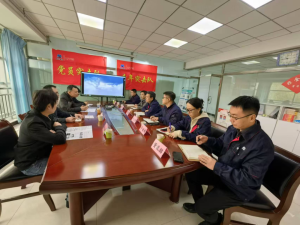
On November 19, Li Heng, chief expert of SINOMACH and chief engineer of Guilin Electrical Equipment Scientific Research Institute Co., Ltd., and his team visited the company for research and exchange. Li Wenchao, deputy general manager and chief engineer of ZYS, and Sun Xiaobo, general manager of the manufacturing service division, also participated in the exchange. Li Wenchao introduced the company's development history, scientific research strength, production and operation, and Li Heng spoke highly of the company's achievements in technology research and development and business. The two sides conducted in-depth discussions on key issues such as the test plan, performance requirements, and product schedule of the "wear-resistant slider". Both parties expressed that they will strengthen communication and exchanges in the future to develop new growth points for cooperation and new highlights of the industry in areas such as resin raw materials and insulating materials to achieve win-win cooperation. Li Heng and his party also visited the "wear-resistant slider" production line and expressed full recognition of the processing methods and production processes.
2024-11-20
More >>
CSK series wedge-type overrunning clutch is also called one-way bearing, and its dimensions are the same as those of 62 series deep groove ball bearing. It is a combination of deep groove ball bearing and wedge-type clutch (except CSK40), and its interior is filled with grease. The torque transmission is generally an interference fit, where the outer ring is pressed against the machine body with a tolerance of N6, and the inner ring is pressed against the working shaft with a tolerance of N6. According to user needs, the inner and outer rings can be made with keyways. The model with the inner ring made with keyways is CSK-P, and the model with both the inner and outer rings having keyways is CSK-PP. It is suitable for printing machinery, packaging machinery, etc.CSK series clutch bearings have the following features:1. Low friction resistance, low power consumption, high mechanical efficiency, and easy starting.2. Standardized dimensions, interchangeability, easy installation and disassembly, and convenient maintenance.3. Compact structure, light weight, and smaller axial dimensions.4. High precision, high speed, low wear and long service life.5. Can bear radial and thrust combined loads at the same time;6. Unique design can achieve excellent performance in a wide range of load and speed; 7. Bearing performance is relatively insensitive to fluctuations in load, speed and operating speed.
2024-11-13
More >>
As an important component in the field of engineering machinery, slewing bearings are widely used in cranes, excavators, concrete mixers and other mechanical equipment. With the vigorous development of the construction industry and the increasing demand for engineering machinery, slewing bearing technology is facing new development opportunities and challenges. This article will discuss the development trend of slewing bearing technology from the aspects of market demand, technological innovation, and international market expansion.1. Market demand continues to growWith the acceleration of urbanization and the continuous advancement of infrastructure construction, the demand for construction machinery market continues to grow, providing a broad space for the development of the slewing bearing market. According to data from the China Construction Machinery Industry Association, in 2023, the total sales of automobile cranes, crawler cranes, truck cranes, tower cranes, etc. in my country will be 69,856 units, and the sales of excavators will be 195,018 units, showing strong market demand. This trend directly promotes the growth of the slewing bearing market, and market demand will continue to rise steadily in the future.2. Technological innovation promotes industrial upgradingIn order to meet the increasing requirements of the technical performance of slewing bearings in the field of engineering machinery, manufacturers are constantly upgrading and innovating their technology. The application of new materials and new processes has become the key to promoting the development of slewing bearing technology. For example, the application of high-strength, high-toughness, and high-wear-resistant materials makes the slewing bearing more stable and reliable when bearing large loads. At the same time, improvements in manufacturing processes such as quenching and heat treatment have further improved the mechanical properties and service life of the slewing bearing.In addition, the development of intelligent and automated technologies has also brought new opportunities to the slewing bearing industry. By introducing intelligent components such as sensors and control systems, remote monitoring, fault diagnosis, and predictive maintenance of slewing bearings can be achieved, improving the operating efficiency and safety of equipment.3. Accelerated international market expansionAs the competitiveness of Chinese engineering machinery brands in the international market continues to increase, the export volume of slewing bearings is also gradually increasing. The expansion of the international market not only brings new growth points to the slewing bearing industry, but also promotes technical exchanges and cooperation. Through cooperation with internationally renowned companies, Chinese manufacturers can introduce advanced production technology and management experience to enhance their competitiveness.At the same time, the support of policies such as the Belt and Road Initiative and Made in China 2025 also provides strong guarantees for the international market expansion of the slewing bearing industry. These policies encourage enterprises to "go global", participate in international competition, and promote the transformation and upgrading of China's manufacturing industry.4. Increasing demand for customization and diversificationWith the continuous development of the field of engineering machinery, the application demand for slewing bearings is becoming more and more diversified. Different fields have different performance requirements for slewing bearings, and manufacturers need to customize and develop products according to market demand. For example, in the field of cranes, slewing bearings need to withstand large axial forces and overturning moments; in the field of excavators, there are higher requirements for the wear resistance and stability of slewing bearings. Therefore, customized production will become an important trend in the slewing bearing industry in the future.5. Green production and sustainable developmentWith the global emphasis on environmental protection and sustainable development, green production has become an important issue in all walks of life. The slewing bearing industry is no exception. In the manufacturing process, energy conservation and emission reduction and the application of green production technology will become an important direction for the development of the industry. By optimizing production processes, improving resource utilization efficiency, reducing waste emissions and other measures, the green and sustainable development of the slewing bearing industry can be achieved.In summary, slewing bearing technology is facing broad market prospects and continuous challenges of technological innovation. With the continuous growth of market demand, the continuous advancement of technological innovation, the accelerated expansion of the international market, and the increase in customized and diversified demands, the slewing bearing industry will usher in a broader development space. At the same time, green production and sustainable development will also become an important direction for the development of the industry. In the future, slewing bearing technology will continue to promote the transformation and upgrading of the industry and sustainable development while meeting market demand.
2024-11-07
More >>
Application: Bearing vibration measuring instrument is suitable for testing in the measuring room and production site of the bearing plant, analysis and research of bearing manufacturing process, and quality identification of bearing users for purchased bearings.Features of bearing vibration measuring instrument:● Special bearing instrument for vibration (acceleration or speed) of deep groove ball bearings, angular contact ball bearings, cylindrical roller bearings and tapered roller bearings.● The vibration measurement displays the vibration acceleration value of the bearing in the direct frequency, high frequency, intermediate frequency and low frequency band, as well as the single peak value of the bearing vibration signal. The loudspeaker can synchronously output the abnormal sound generated when the bearing rotates. The results of instrument measurementare in full compliance with the relevant assessment criteria of the national bearing vibration technical conditions.● Owns the advantages of reasonable design, strong practicability and stable performance.● Equipped with oscilloscope, it can display the time domain waveform of bearing vibration.Power box includes single meter head power box (pass frequency) and five meter head power box (pass frequency, peak frequency, high frequency, medium frequency, low frequency), for users to choose. ● The electrical cabinet includes single-head electric box (direct frequency) and five-head electric box (direct frequency, peak frequency, high frequency, intermediate frequency, low frequency) for users to choose.
2024-11-01
More >>
Tapered roller bearings are essential components in a wide range of industrial applications, renowned for their ability to support both radial and axial loads efficiently. These bearings are constructed with inner and outer rings with tapered raceways and tapered rollers, providing high radial and axial load-carrying capacities.One of the distinctive features of taper roller bearings is their ability to handle both thrust and radial forces due to their design. The tapered geometry of the rollers and raceways allows for smooth distribution of loads, enabling the bearing to operate at high speeds while maintaining precision and reliability.Taper roller bearings are commonly utilized in automotive applications, where they are employed in wheel hubs, transmissions, and differentials. Their robust construction and ability to withstand heavy loads make them ideal for these demanding environments. Additionally, they are extensively used in industries such as aerospace, construction, mining, and agriculture.The versatility of taper roller bearings lies in their various designs and configurations, including single-row, double-row, and four-row variants. These bearings can be customized with different cage materials, such as steel, brass, or polyamide, to optimize performance in specific operating conditions.Moreover, taper roller bearings are known for their high durability and long service life, contributing to reduced maintenance costs and increased operational efficiency. Proper lubrication and maintenance can further enhance the performance and longevity of these bearings, ensuring smooth and reliable operation over extended periods. In conclusion, taper roller bearings are integral components in machinery and equipment requiring reliable and efficient load-bearing capabilities. Their versatility, durability, and ability to withstand high loads make them indispensable in a wide array of industries, playing a vital role in ensuring the smooth operation of various mechanical systems.
2024-10-25
More >>
Tapered roller bearings are robust components designed to withstand heavy loads and harsh operating conditions. However, like any mechanical part, they can experience failures due to various factors. Some common causes of taper roller bearing failure include: Improper Installation: Incorrect installation practices, such as applying excessive preload or improper fitting, can lead to premature bearing failure. It's crucial to follow manufacturer guidelines for correct installation procedures. Lubrication Issues: Inadequate or excessive lubrication can cause increased friction, leading to overheating and premature wear of the bearing components. Contaminated lubricants can also accelerate bearing degradation. Misalignment: Taper roller bearings are designed to accommodate limited misalignment, but excessive misalignment can result in uneven loading, increased stress on the rollers, and premature failure. Overloading: Operating the bearing beyond its specified load capacity can cause excessive stress on the components, leading to fatigue failure or permanent deformation. Impact Loads: Sudden impact or shock loads can damage the rollers and raceways, reducing the bearing's lifespan. Proper handling and protection against impact loads are essential to prevent premature failure. Corrosion: Exposure to moisture or corrosive environments can lead to rust formation on the bearing surfaces, affecting their smooth operation and ultimately causing failure. Fatigue: Continuous cyclic loading can lead to fatigue failure over time, especially if the bearing is subjected to high loads or frequent start-stop operations without adequate rest periods. Contamination: Dust, dirt, metal particles, or other contaminants entering the bearing assembly can compromise the lubrication film and lead to increased friction, wear, and eventual failure. Temperature Extremes: Operating the bearing at temperatures beyond its design limits can cause thermal expansion, affecting the clearances and causing premature failure. Material Defects: In rare cases, manufacturing defects in the bearing components or poor-quality materials can lead to premature failure. Regular quality checks and sourcing from reputable manufacturers can help mitigate this risk. Regular inspection, proper maintenance, correct installation, and using the right lubrication are crucial steps to prevent taper roller bearing failures and ensure their optimal performance and longevity.
2024-10-22
More >>
Maintaining ball screw bearings is crucial for ensuring optimal performance, longevity, and reliability in industrial applications. Proper maintenance practices can help prevent premature wear, reduce downtime, and extend the service life of the bearings. Here are some key maintenance requirements for ball screw bearings in industrial settings:1. Regular Lubrication Frequency: Ball screw bearings require regular lubrication to reduce friction, prevent wear, and maintain smooth operation. The frequency of lubrication depends on factors such as operating conditions, load, speed, and the type of lubricant used. Lubricant Selection: Choose the appropriate lubricant recommended by the bearing manufacturer based on factors such as temperature range, speed, load, and environmental conditions. Improper lubrication can lead to premature wear and failure of the bearings. Proper Application: Ensure that the lubricant is applied correctly and in the right quantity to all contact surfaces of the ball screw bearings. Over-lubrication can be as detrimental as under-lubrication, leading to overheating and performance issues. 2. Monitoring and Inspection Regular Inspections: Perform routine visual inspections of the ball screw bearings to check for signs of wear, damage, or contamination. Look for abnormal noise, vibration, or irregularities in motion, which may indicate potential issues that require attention. Cleanliness: Keep the surrounding area clean to prevent the ingress of contaminants such as dust, debris, and moisture, which can accelerate wear and compromise the performance of the bearings. 3. Alignment and Installation Proper Installation: Ensure that the ball screw bearings are installed correctly and aligned according to the manufacturer's specifications. Improper installation can lead to misalignment, increased friction, and premature failure of the bearings. Alignment Checks: Periodically check the alignment of the ball screw bearings with the shaft and other components to ensure that they are operating within the specified tolerances. Misalignment can result in uneven wear and reduced efficiency. 4. Temperature and Environmental Conditions Temperature Control: Maintain the operating temperature within the recommended range to prevent overheating or cold-start issues that can affect the performance of the bearings. Environmental Protection: Shield the ball screw bearings from harsh environmental conditions such as moisture, humidity, and corrosive substances that can degrade the lubricant and lead to premature wear. 5. Replacement and Upkeep Scheduled Replacements: Plan for scheduled replacements of ball screw bearings based on the manufacturer's recommended maintenance intervals or signs of wear and degradation observed during inspections. Documentation: Keep detailed records of maintenance activities, including lubrication schedules, inspections, replacements, and any issues encountered. This information can help track the performance of the bearings and guide future maintenance efforts. By adhering to these maintenance requirements and practices, industrial operators can ensure the optimal performance and longevity of ball screw bearings in their machinery and equipment. Regular maintenance not only improves the efficiency and reliability of industrial processes but also helps prevent costly downtime and repairs associated with bearing failures.
2024-10-11
More >>
In the realm of motion control systems, precision is paramount. Whether it's in manufacturing, robotics, or aerospace, the ability to manipulate movement with accuracy and efficiency is a defining factor in the success of any application. Ball screw support bearings play a crucial role in achieving this precision, providing stability and smooth operation in high-load and high-speed scenarios.Understanding Ball Screw Support BearingsBall screw support bearings are specialized components designed to support the axial and radial loads that occur in ball screw applications. Ball screws are commonly used in various industrial machinery and automation systems to convert rotational motion into linear motion efficiently. However, the performance of a ball screw greatly depends on the support bearings that help to maintain its rigidity and accuracy.Key Features and Benefits Axial and Radial Support: Ball screw support bearings are engineered to provide both axial and radial support, ensuring the smooth and precise movement of the ball screw under heavy loads. High Rigidity: These bearings are designed to withstand high levels of axial and radial forces without compromising on rigidity, making them ideal for applications where stability is critical. Reduced Friction: By minimizing friction between the components, ball screw support bearings contribute to smoother operation and increased efficiency in motion control systems. Enhanced Precision: The combination of high rigidity and low friction results in enhanced precision, allowing for accurate positioning and repeatability in various industrial processes. Long Service Life: With proper maintenance and lubrication, ball screw support bearings can have a long service life, contributing to the overall reliability of the machinery they are installed in. Applications in Various Industries Manufacturing: In CNC machines and precision machining tools, ball screw support bearings play a vital role in achieving the accuracy required for complex manufacturing processes. Robotics: In robotic arms and automation systems, these bearings help in precise movement control, enabling robots to perform tasks with speed and accuracy. Aerospace: Ball screw support bearings are used in aerospace applications where precision and reliability are critical for the safe operation of aircraft and spacecraft. Considerations for Selection and MaintenanceWhen selecting ball screw support bearings for a specific application, factors such as load capacity, speed, rigidity, and operating environment must be taken into account. It is crucial to follow manufacturer recommendations for installation, lubrication, and maintenance to ensure optimal performance and longevity of the bearings.In conclusion, ball screw support bearings are indispensable components in motion control systems, enabling precise and reliable operation in a wide range of industrial applications. Their ability to handle high loads, provide rigidity, reduce friction, and enhance precision makes them essential for achieving efficiency and accuracy in modern machinery and automation systems. As technology continues to advance, the demand for higher precision and efficiency in motion control systems will only increase, further underscoring the importance of ball screw support bearings in the industrial landscape.
2024-10-08
More >>
Bearings are crucial components in various machines and mechanisms, enabling smooth rotation and reducing friction between moving parts. Traditionally, bearings are lubricated to minimize wear and heat generation, ensuring their longevity and efficient operation. However, the question arises: Can bearings be used without lubrication?Understanding the Role of LubricationLubrication in bearings serves multiple key purposes:Reduction of Friction: Lubricants create a thin film between the moving parts, reducing direct contact and frictional resistance.Heat Dissipation: By reducing friction, lubricants help in dissipating heat generated during operation, preventing overheating and premature failure.Corrosion Prevention: Lubricants protect bearing surfaces from corrosion and wear, enhancing their lifespan.Noise Reduction: Proper lubrication can help dampen noise generated by the moving parts.Lubrication Methods for BearingsVarious lubrication methods are employed in bearings, including:Grease Lubrication: Grease is a common lubricant in bearings, offering good sealing properties and longevity.Oil Lubrication: Oil provides better heat dissipation and is often used in high-speed applications where continuous lubrication is required.Dry Lubrication: Some modern bearings are designed to operate without traditional lubrication, using solid lubricants or self-lubricating materials.Challenges of Using Bearings Without LubricationWhile it is technically feasible to operate bearings without traditional lubrication, several challenges must be considered:Increased Friction: Without lubrication, friction between bearing components can increase significantly, leading to accelerated wear and reduced efficiency.Heat Build-Up: Lack of lubrication impedes heat dissipation, potentially causing overheating and premature failure.Corrosion Risk: Unprotected bearing surfaces are more prone to corrosion and surface damage.Noise Generation: Operating bearings without lubrication can increase noise levels due to enhanced friction.Specialized Applications for Dry LubricationIn certain specialized applications where traditional lubrication is not feasible or practical, dry lubrication technologies are employed. These can include:Solid Lubricants: Bearings infused with solid lubricants like graphite or PTFE can operate effectively without traditional lubrication.Self-Lubricating Bearings: Some bearings are designed with self-lubricating properties, using materials that release lubricants during operation.Extreme Conditions: In environments where contamination or maintenance is a concern, dry lubrication methods can offer advantages.While it is possible to use bearings without traditional lubrication in certain cases, it is crucial to consider the specific requirements of the application. Lubrication plays a vital role in the performance and longevity of bearings, and alternative methods like dry lubrication should be chosen carefully based on the operating conditions.In conclusion, while bearings can technically operate without lubrication, it is generally recommended to use appropriate lubricants to ensure optimal performance and longevity. Proper maintenance and lubrication practices are essential in maximizing the efficiency and lifespan of bearings in various applications.
2024-09-25
More >>
Bearings are vital components in machinery, providing smooth rotation and reducing friction between moving parts. Over time, bearings can wear out or become rough due to factors like insufficient lubrication, contamination, or heavy loads. In such cases, the question arises: Can relubrication help make rough bearings smooth again?Understanding Rough BearingsRough bearings can exhibit various symptoms:Increased Friction: Rough bearings often experience higher levels of friction, leading to inefficiencies and potential damage.Noise: Roughness can cause bearings to generate more noise during operation.Vibration: Unsmooth rotation can result in increased vibration, impacting the overall stability of the machinery.Relubrication: Potential Benefits and ConsiderationsRelubrication can offer several potential benefits in addressing rough bearings:Improved Lubrication: Applying fresh lubricant can help reduce friction, improving the smoothness of operation.Heat Dissipation: Proper lubrication aids in heat dissipation, preventing overheating and premature wear.Reduced Wear: Adequate lubrication can help reduce wear on bearing surfaces, extending their lifespan.Noise Reduction: By reducing friction, relubrication can contribute to noise reduction in bearings.Factors to ConsiderWhile relubrication can help improve the performance of rough bearings, several factors should be taken into account:Proper Lubricant Selection: Choosing the right lubricant based on the bearing type, operating conditions, and load is crucial for effective relubrication.Cleaning: Before relubricating, it is essential to clean the bearing thoroughly to remove contaminants and old lubricant residues.Quantity: Applying the correct amount of lubricant is important to ensure optimal performance without causing issues like overheating or leakage.Frequency: Regular maintenance and relubrication schedules should be established based on the operating conditions and manufacturer recommendations.When Relubrication May Not SufficeIn some cases, relubrication may not fully address rough bearing issues:Irreversible Damage: If the roughness is due to significant wear or damage to bearing surfaces, relubrication may not be sufficient to restore smooth operation.Contamination: Severe contamination or lack of proper sealing can hinder the effectiveness of relubrication efforts.Misalignment or Improper Installation: Roughness may be caused by factors like misalignment or improper installation, which may require corrective actions beyond relubrication.Relubrication can be a valuable maintenance practice in addressing rough bearings by reducing friction, improving smoothness, and extending bearing life. However, it is essential to consider factors like proper lubricant selection, cleaning, and maintenance practices to maximize the benefits of relubrication.In conclusion, while relubrication can help make rough bearings smoother and more efficient, it is crucial to assess the underlying causes of roughness and implement appropriate maintenance practices to ensure optimal bearing performance and longevity. Regular monitoring, cleaning, and relubrication can contribute to the smooth operation of bearings and the overall efficiency of machinery.
2024-09-23
More >>
Rotary table bearings play a crucial role in various industries where precise and smooth rotation is required. These specialized bearings are designed to support heavy loads while allowing for smooth and accurate rotation, making them essential components in machinery such as indexing tables, turntables, and other rotating equipment.Rotary table bearings are typically constructed with an inner and outer ring with a set of balls or rollers sandwiched between them. The design allows for high load-carrying capacity and smooth rotation with minimal friction. The materials used in the construction of these bearings are often high-quality steel or other alloys to ensure durability and longevity.The primary function of a rotary table bearing is to support radial, axial, or combined loads while facilitating smooth rotation. These bearings are designed to handle both static and dynamic loads, making them suitable for a wide range of applications where rotational movement is required.ApplicationRotary table bearings find applications in various industries, including:Machine Tool Industry: Rotary table bearings are commonly used in milling machines, lathes, and other machining equipment to facilitate accurate positioning and rotation of workpieces.Robotics: In robotics, rotary table bearings play a vital role in enabling precise movement and positioning of robotic arms and joints.Medical Equipment: Rotary table bearings are used in medical equipment such as CT scanners and X-ray machines to facilitate precise rotation and positioning.Aerospace: These bearings are also used in aerospace applications, where precision and reliability are critical for the functioning of various components.Advantages of Rotary Table BearingsHigh Load Capacity: Rotary table bearings are designed to support heavy loads while maintaining smooth rotation.Precision and Accuracy: These bearings offer high precision and accuracy, making them ideal for applications where precise positioning is required.Durability: Rotary table bearings are built to withstand harsh operating conditions and provide long service life.Low Friction: The design of these bearings minimizes friction, resulting in smooth rotation and reduced wear and tear.Maintenance and CareProper maintenance is essential to ensure the optimal performance and longevity of rotary table bearings. Regular inspection, lubrication, and replacement of worn-out components are key to preventing breakdowns and extending the life of the bearings.In conclusion, rotary table bearings are indispensable components in various industries where precise rotation and high load capacity are required. Their robust construction, high precision, and durability make them a preferred choice for applications ranging from machine tools to robotics. By understanding the importance of these bearings and following proper maintenance practices, industries can ensure smooth operations and enhanced productivity in their rotating equipment.
2024-09-14
More >>
Selecting the right rotary table bearing for an application requires careful consideration of several key factors to ensure optimal performance and longevity. Here are the critical factors to keep in mind when choosing a rotary table bearing:Load Capacity:Radial Load: Consider the maximum radial load that the bearing will need to support during operation.Axial Load: Determine the maximum axial load that the bearing will be subjected to.Combined Load: Evaluate if the bearing needs to support both radial and axial loads simultaneously.Speed and Precision:Operating Speed: Determine the rotational speed at which the bearing will need to operate.Precision Requirements: Consider the level of precision needed for the application to ensure accurate positioning and smooth rotation.Size and Mounting:Space Constraints: Take into account the available space for the bearing and ensure that the selected size fits within the designated area.Mounting Configuration: Choose a bearing that is compatible with the mounting configuration of the equipment.Environmental Conditions:Temperature Range: Consider the operating temperature range of the application and select a bearing that can withstand these conditions.Corrosive Environments: If the application operates in a corrosive environment, choose a bearing with appropriate corrosion resistance.Lubrication and Maintenance:Lubrication Requirements: Determine the lubrication method required for the bearing and ensure that it is compatible with the application.Maintenance Needs: Consider the maintenance requirements of the bearing and choose one that aligns with the maintenance schedule of the equipment.Cost and Availability:Budget Constraints: Take into account the budget allocated for the bearing and find a balance between cost and performance.Availability: Ensure that the selected bearing is readily available and can be sourced in a timely manner when needed.Application-Specific Requirements:Industry Standards: Check if there are specific industry standards or regulations that the bearing needs to comply with.Special Features: Consider any special features or customizations required for the application, such as seals for contamination protection or preload options for enhanced rigidity.By carefully evaluating these factors and selecting a rotary table bearing that meets the specific requirements of the application, you can ensure optimal performance, reliability, and durability of the equipment. Consulting with bearing manufacturers or industry experts can also provide valuable insights and assistance in choosing the right bearing for your application.
2024-09-11
More >>
Various types of lubricants are used for bearings, each with its specific properties and suitability for different applications. Here are some common types of lubricants used for bearings:1. Grease:Composition: Grease is a semi-solid lubricant composed of a base oil thickened with a soap, such as lithium, calcium, or polyurea.Advantages: Grease provides excellent sealing properties, corrosion protection, and is easy to apply. It is commonly used in applications where frequent relubrication is not feasible.2. Oil:Composition: Oil lubricants can be mineral-based, synthetic, or vegetable oils.Advantages: Oil offers low friction, high heat dissipation, and is suitable for high-speed applications. Oil lubrication is often used in systems with continuous lubricant supply.3. Solid Film Lubricants:Composition: Solid film lubricants, such as molybdenum disulfide (MoS2) or graphite, form a thin film on the bearing surfaces.Advantages: Solid film lubricants provide excellent anti-wear properties, reduce friction, and are suitable for high-temperature and extreme pressure conditions.4. Dry Lubricants:Composition: Dry lubricants, like PTFE (Teflon), do not contain oils or greases and are applied as a coating or powder.Advantages: Dry lubricants offer good chemical resistance, low friction, and are suitable for applications where traditional lubricants may not be ideal.5. Silicone Lubricants:Composition: Silicone lubricants are based on silicone oil and provide good thermal stability and water resistance.Advantages: Silicone lubricants are suitable for high-temperature applications, have good sealing properties, and are compatible with a wide range of materials.6. High-Temperature Greases:Composition: High-temperature greases are formulated to withstand extreme temperatures without losing their lubricating properties.Advantages: These greases are designed for applications where conventional greases would break down under high temperatures.7. Biodegradable Lubricants:Composition: Biodegradable lubricants are environmentally friendly and are often used in applications where there is a risk of environmental contamination.Advantages: These lubricants offer good lubrication properties while being eco-friendly and biodegradable.8. Specialty Lubricants:Composition: Specialty lubricants are tailored for specific applications, such as high-load, high-speed, extreme pressure, or food-grade applications.Advantages: Specialty lubricants are designed to meet unique performance requirements and environmental conditions.Choosing the right type of lubricant for bearings depends on factors such as operating conditions, temperature, speed, load, contamination risks, and maintenance requirements. By selecting the appropriate lubricant, engineers can ensure optimal performance, reduced wear, and extended bearing life in a wide range of industrial applications.
2024-09-04
More >>
Selecting the correct lubricant for a bearing is crucial for ensuring optimal performance, longevity, and reliability. The choice of lubricant depends on various factors, including the operating conditions, speed, load, temperature, and environmental factors. Here are the key steps to determine the right lubricant for a bearing:1. Understand Operating Conditions:Load and Speed: Consider the load capacity and speed requirements of the bearing to select a lubricant that can withstand the anticipated operating conditions.Temperature: Determine the operating temperature range as some lubricants perform better at high temperatures, while others are suitable for low-temperature applications.2. Type of Bearing:Different types of bearings (e.g., ball bearings, roller bearings) may have specific lubrication requirements based on their design and operating characteristics. Ensure the lubricant is compatible with the bearing type.3. Lubrication Properties:Viscosity: Choose a lubricant with the appropriate viscosity to provide sufficient film thickness for load-bearing and to reduce friction effectively.Additives: Consider the need for additives such as anti-wear, corrosion inhibitors, and extreme pressure additives based on the application requirements.4. Environmental Factors:Contamination: Assess the risk of contamination from dust, water, chemicals, or other contaminants and select a lubricant that offers adequate protection against ingress.Cleanliness: In applications requiring high cleanliness standards, choose a lubricant that minimizes the risk of particle contamination.5. Compatibility:Ensure compatibility between the lubricant and the bearing material, seals, and other components to prevent adverse reactions that could impact performance or cause damage.6. Frequency of Maintenance:Consider the maintenance schedule and frequency of relubrication. Some lubricants may offer longer service intervals, reducing maintenance requirements.7. Consult Manufacturer Recommendations:Manufacturers often provide guidelines and recommendations for suitable lubricants based on the specific bearing model, application, and operating conditions. Refer to these guidelines for accurate lubricant selection.8. Testing and Monitoring:Conduct tests or trials with different lubricants to evaluate performance under actual operating conditions. Monitor factors such as temperature, vibration, and wear to ensure the chosen lubricant is effective.9. Document and Track Performance:Keep records of the lubricant used, application conditions, and maintenance intervals. Regularly monitor bearing performance and condition to ensure the selected lubricant is providing the desired results.By following these steps and considering the specific requirements of the application, engineers and maintenance professionals can effectively determine the right lubricant for a bearing, leading to improved performance, reduced wear, and extended bearing lifespan.
2024-09-03
More >>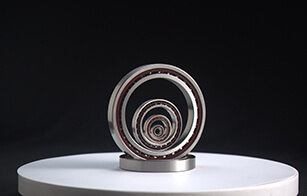
The advantages of grease lubrication are simple sealing structure and lubricating facilities, easy maintenance,, no leakage of grease, certain ability of preventing water, gas, dust and other harmful impurities from invading bearings. So grease lubrication is widely used.Oil lubrication can be used in heavy load, high speed, high temperature and other occasions.Solid lubrication can also be used in some special environments, such as high temperature and vacuum conditions.
2024-08-29
More >>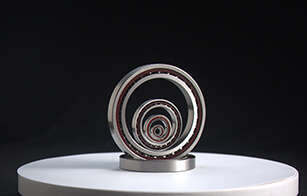
The limit speed of rolling bearing is the speed limit value when bearing reaches the highest heat balance temperature under certain working conditions.Factors of limit speed:1. Bearing type2. Structural dimension3. Bearing load4. Lubricant grades and lubricating methods5. Bearing tolerance grade6. Clearance7. Cage structure and material8. Cooling condition
2024-08-26
More >>
Bearing rings are the key components of ball bearings and roller bearings, which are used to reduce friction between moving parts within a machine. They are typically made of high-quality steel or other durable materials and are precision-engineered to exact specifications to ensure smooth and efficient operation.Types of Bearing RingsThere are two main types of bearing rings:Inner Ring: Also known as the race or cone, the inner ring is the stationary part of the bearing that is mounted onto a shaft. It provides a smooth surface for the rolling elements to move against.Outer Ring: The outer ring, also called the outer race or cup, is the part of the bearing that encloses and retains the rolling elements. It fits into a housing and serves as a mounting surface.Functions of Bearing RingsSupporting Loads: Bearing rings support the weight and loads that are transmitted through the bearing, allowing for smooth rotation of the shaft or other moving parts.Reducing Friction: By providing a smooth surface for the rolling elements to move against, bearing rings help reduce friction and wear within the bearing, thereby extending its lifespan.Maintaining Alignment: The precise design and manufacturing of bearing rings help maintain proper alignment between the inner and outer races, ensuring smooth and efficient operation of the bearing.Absorbing Shock: Bearing rings also help absorb shock and vibration that may occur during operation, protecting the machinery from damage and ensuring consistent performance.Importance of Quality Bearing RingsThe quality of bearing rings directly impacts the performance and longevity of the bearing and the machinery in which it is installed. High-quality bearing rings are essential for smooth operation, reduced maintenance requirements, and increased reliability.ConclusionIn conclusion, bearing rings are essential components of ball bearings and roller bearings that play a critical role in the functionality of various types of machinery. Their ability to support loads, reduce friction, maintain alignment, and absorb shock is vital for ensuring the smooth and efficient operation of mechanical systems. Understanding the significance of bearing rings can help engineers and technicians optimize the performance and reliability of machinery across various industries.
2024-08-22
More >>
Installing and maintaining ceramic bearings properly is crucial to ensure optimal performance, longevity, and reliability. Here are some key points to consider for the installation and maintenance of ceramic bearings:Installation of Ceramic Bearings:Handling Precautions:Handle ceramic bearings with care to avoid damage to the delicate ceramic surfaces. Use clean gloves and tools to prevent contamination. Cleanliness:Ensure that the mounting surfaces and shaft are clean and free of debris, dirt, or old lubricant. Contaminants can cause premature wear and damage to the bearings. Fitting:Use appropriate tools and techniques to ensure a proper fit. Avoid excessive force during installation, as this can lead to damage to the bearing components. Mounting:Follow the manufacturer's recommendations for mounting the ceramic bearings onto the shaft and into the housing. Use the correct tools and techniques to prevent misalignment or damage. Lubrication:Apply the recommended lubricant sparingly and evenly to the bearing surfaces. Ensure that the lubricant is compatible with ceramic materials to avoid damage. Alignment:Properly align the bearings to prevent misalignment, which can cause increased friction, wear, and premature failure. Securing:Secure the bearings in place using the appropriate locking devices or methods to prevent movement during operation. Maintenance of Ceramic Bearings:Regular Inspection:Periodically inspect the ceramic bearings for signs of wear, damage, or contamination. Address any issues promptly to prevent further damage. Lubrication:Follow the manufacturer's recommendations for lubrication intervals and types of lubricants to use. Over-lubrication can lead to overheating, while under-lubrication can cause premature wear. Temperature Monitoring:Monitor the operating temperature of the bearings regularly. Excessive heat can indicate lubrication issues or misalignment, which should be addressed promptly. Vibration Analysis:Perform vibration analysis to detect any abnormalities in the bearing operation. Unusual vibrations can indicate misalignment, imbalance, or other issues that require attention. Cleaning:Keep the bearings clean by regularly removing dirt, dust, and contaminants. Use appropriate cleaning methods and solvents to avoid damaging the ceramic surfaces. Re-Greasing:Re-grease the bearings at recommended intervals to ensure proper lubrication and prevent dry running, which can lead to premature wear and failure. Storage:Store spare ceramic bearings in a clean, dry environment to prevent contamination and damage. Follow proper storage guidelines to maintain the integrity of the bearings. By following these installation and maintenance guidelines, you can maximize the performance and longevity of ceramic bearings in various applications, ensuring smooth operation and minimizing the risk of premature failure.
2024-08-19
More >>
A motorized spindle is a set of components that includes the spindle itself and its accessories: the motorized spindle, the high-frequency inverter, the oil mist lubricator, the cooling unit, the built-in encoder, and the tool changer.1. High-speed bearing technologyElectrospindles usually use dynamic and static pressure bearings, composite ceramic bearings or electromagnetic levitation bearings. Hydrostatic bearings have high stiffness and damping, can greatly improve machining efficiency, machining quality, extend tool life, reduce machining costs. Composite ceramic bearings are currently widely used in electric spindle units. The rolling elements of this type of bearings use hot-pressed Si3N4 ceramic balls, and the bearing rings are still steel rings. They have a high degree of standardization, require little change to the machine tool structure, and are easy to maintain. Electromagnetic suspension bearings have good high-speed performance, high precision, and are easy to diagnose and monitor online. However, due to the complexity of the electromagnetic measurement and control system, the price of this type of bearing is very expensive and has remained high for a long time, and has not yet been widely used.2. High-speed motor technologyThe electric spindle is a product of the fusion of the motor and the spindle. The rotor of the motor is the rotating part of the spindle. In theory, the electric spindle can be regarded as a high-speed motor. The key technology is dynamic balancing at high speed.3. LubricationThe lubrication of the electric spindle generally adopts timed and quantitative oil-gas lubrication; grease lubrication can also be used. The so-called timing means injecting oil at a certain time interval. The so-called quantitative means that the amount of lubricating oil each time is accurately controlled through a device called a quantitative valve. Oil-gas lubrication refers to the lubricating oil being blown into the ceramic bearing under the influence of compressed air. The oil quantity control is very important. Too little will not play a lubricating role; too much will cause heat due to the resistance of the oil when the bearing rotates at high speed.4. Cooling deviceIn order to dissipate the heat of the high-speed electric spindle as quickly as possible, a circulating coolant is usually passed through the outer body of the electric spindle. The function of the cooling device is to maintain the temperature of the coolant.5. Built-in pulse encoderIn order to realize automatic tool change and rigid tapping, the electric spindle has a built-in pulse encoder to achieve accurate phase angle control and coordination with feed.6. Automatic tool changerIn order to be used in machining centers, the electric spindle is equipped with an automatic tool changer, including disc springs, broaching cylinders, etc.7. High-frequency frequency conversion device To achieve a speed of tens of thousands or even hundreds of thousands of revolutions per minute for the electric spindle, a high-frequency frequency conversion device must be used to drive the built-in high-speed motor of the electric spindle. The output frequency of the frequency converter must reach thousands or several kilohertz.
2024-08-15
More >>
In the realm of machining and industrial manufacturing, where precision is paramount and efficiency is key, the motorized spindle stands as a testament to human ingenuity and technological advancement. This crucial component plays a central role in various machining processes, enabling high-speed rotation with exceptional accuracy and reliability. Let's delve into the intricacies of the motorized spindle, exploring its design, functionality, and applications.Understanding the Motorized SpindleAt its core, a motorized spindle is a rotating axis that houses a motor to drive a cutting tool or workpiece. The spindle's primary function is to provide the necessary speed and power for cutting, drilling, milling, or grinding operations. By integrating a motor directly into the spindle unit, manufacturers can achieve higher rotational speeds and greater control over machining processes.Design and ComponentsMotorized spindles come in a variety of designs tailored to specific applications and performance requirements. However, most motorized spindles share common components:Motor: The motor serves as the powerhouse of the spindle, converting electrical energy into mechanical energy to drive the spindle's rotation. High-performance motors are crucial for achieving precise speeds and torque levels.Bearings: Precision bearings are essential in motorized spindles to reduce friction, support high speeds, and maintain stability during operation. Common types include angular contact bearings and ceramic bearings.Spindle Shaft: The spindle shaft is the central rotating element that connects the motor to the cutting tool or workpiece. It must be rigid, durable, and balanced to ensure smooth operation and minimal vibration.Cooling System: To prevent overheating and maintain optimal performance, motorized spindles often incorporate cooling systems such as air or liquid cooling.Functionality and AdvantagesMotorized spindles offer several key advantages that make them indispensable in modern manufacturing processes:High Speeds: Motorized spindles can achieve significantly higher rotational speeds than traditional belt-driven spindles, enabling faster machining and improved surface finishes.Precision and Accuracy: The direct integration of the motor into the spindle results in enhanced control over speed, acceleration, and position, leading to superior accuracy and repeatability.Compact Design: Motorized spindles are typically more compact and lightweight compared to conventional spindles, making them ideal for applications where space is limited.Versatility: Motorized spindles can be customized to suit a wide range of machining tasks, from light-duty milling to heavy-duty cutting operations.ApplicationsMotorized spindles find application in various industries, including aerospace, automotive, medical device manufacturing, and electronics. They are commonly used in CNC machining centers, grinding machines, milling machines, and other precision machining equipment where speed, accuracy, and reliability are paramount.ConclusionIn the world of modern manufacturing, where efficiency and precision are non-negotiable, the motorized spindle stands out as a marvel of engineering excellence. Its ability to deliver high-speed rotation, exceptional accuracy, and reliability has revolutionized the way we approach machining processes. As technology continues to advance, motorized spindles will undoubtedly play a crucial role in shaping the future of industrial manufacturing.
2024-08-12
More >>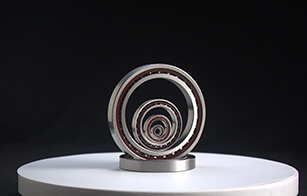
There are many types of materials for engine bearings, each with its own unique performance and application scenarios. The following are some common engine bearing materials:1.Steel-based alloy: Steel-based alloy is one of the common materials in engine bearings and is favored for its good strength and wear resistance. Some special types of steel-based alloys, such as stainless steel, also have excellent corrosion resistance.2.Copper-based alloys: Copper-based alloys have good thermal and electrical conductivity, as well as high strength and wear resistance. This enables copper-based alloy bearings to maintain good performance under high temperature and high load conditions.3.Aluminum-based alloys: Aluminum-based alloys have lower density and good thermal conductivity, which helps reduce the weight of bearings and improve heat dissipation efficiency. However, their strength and wear resistance are relatively low, so they are usually used for bearings with light loads or under specific conditions.4.Ceramic materials: Ceramic bearings are made of special materials such as zirconia ceramics, which have excellent wear resistance, corrosion resistance and high temperature resistance. Ceramic bearings perform well under high temperature, high speed and high load conditions, but the cost is relatively high.5.Plastic material: Plastic bearings are made of synthetic materials such as polytetrafluoroethylene and nylon, and have the characteristics of light weight, low friction, corrosion resistance, and long service life. However, their load bearing capacity is relatively low and they are usually suitable for bearings with low loads and low speeds.When selecting engine bearing materials, it is necessary to comprehensively consider factors such as specific application scenarios, working conditions, loads, and speeds. Different materials have different properties and characteristics, and choosing the right material is crucial to ensuring the reliability, durability, and performance of engine bearings.
2024-08-09
More >>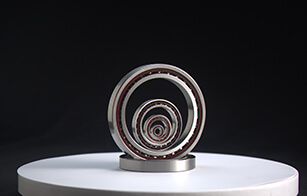
When we think about motorcycles, we often envision sleek designs, powerful engines, and the thrill of the open road. However, beneath the surface of these iconic machines lies a complex network of components that work together to ensure a smooth and safe ride. One such crucial component that often goes unnoticed but plays a vital role in the performance of a motorcycle is the deep groove ball bearing.Understanding Deep Groove Ball BearingsDeep groove ball bearings are a type of rolling-element bearing that are widely used in various applications, including motorcycles. These bearings are designed to support radial and axial loads, allowing for smooth rotation of the shaft. The deep groove design enables the bearings to accommodate high speeds and operate with low friction.Importance in MotorcyclesIn motorcycles, deep groove ball bearings are found in numerous critical areas such as the wheels, transmission system, engine,and suspension components. These bearings play a pivotal role in ensuring the smooth operation of these systems, contributing to overall performance, efficiency, and safety.Wheels: Deep groove ball bearings are commonly used in motorcycle wheels to facilitate smooth rotation and reduce friction. They help the wheels spin freely, allowing for efficient movement and steering control.Transmission System: In the transmission system of a motorcycle, deep groove ball bearings are employed to support the rotating shafts and gears. These bearings help transmit power from the engine to the wheels, ensuring seamless gear shifting and optimal performance.Engine: Deep groove ball bearings are also utilized in various parts of the motorcycle engine, such as the crankshaft and camshaft. These bearings help reduce friction and vibrations, leading to increased engine efficiency and longevity.Suspension Components: The suspension system of a motorcycle relies on deep groove ball bearings to enable smooth movement and absorb shocks and vibrations while riding. These bearings contribute to rider comfort and stability on different road surfaces.Benefits of Deep Groove Ball Bearings in MotorcyclesDurability: Deep groove ball bearings are known for their durability and long service life, even under high-speed and high-load conditions. This reliability is crucial for the safety and performance of motorcycles.Low Friction: These bearings are designed to operate with minimal friction, which helps improve fuel efficiency and overall performance by reducing energy loss in the system.High-Speed Capability: Deep groove ball bearings can withstand high rotational speeds, making them ideal for motorcycle applications where speed is a crucial factor.Maintenance: Due to their robust construction, deep groove ball bearings require minimal maintenance, contributing to cost-effectiveness and ease of ownership for motorcycle riders.In conclusion, deep groove ball bearings are essential components in motorcycles that significantly impact their performance, efficiency, and safety. Whether it's ensuring smooth wheel rotation, supporting the transmission system, powering the engine, or enhancing the suspension system, these bearings play a critical role in the overall functioning of a motorcycle. Riders and manufacturers alike rely on the durability, low friction, and high-speed capabilities of deep groove ball bearings to deliver an exhilarating and reliable riding experience.
2024-08-05
More >>
In the realm of industrial machinery, proper lubrication is paramount to ensure smooth operation, reduce wear and tear, and extend the lifespan of moving parts. Among the various lubrication methods available, oil mist lubrication has gained significant traction for its ability to deliver precise lubrication to critical components effectively. This article delves into the intricacies of oil mist lubrication devices, highlighting their benefits, applications, and importance in modern industrial settings.Understanding Oil Mist LubricationOil mist lubrication is a method where a fine mist of oil droplets is delivered to the lubrication point by a stream of compressed air. This mist of oil particles is carried by the air flow to the target area, where it forms a thin film on the moving parts to reduce friction and wear. The oil mist system typically consists of a lubricator, a mixing valve, and a delivery system that disperses the oil mist to the required components.Benefits of Oil Mist LubricationEfficient Lubrication: Oil mist lubrication provides a constant and reliable supply of lubricant, ensuring that the moving parts are adequately lubricated at all times.Reduced Maintenance: By delivering oil in a controlled manner, oil mist lubrication helps reduce maintenance intervals and the need for frequent manual lubrication, thus saving time and resources.Cooling Effect: The oil mist can also act as a coolant, dissipating heat generated during machinery operation and helping to maintain optimal operating temperatures.Cleaner Environment: Compared to traditional oil lubrication methods, oil mist lubrication produces less waste and ensures a cleaner working environment as there is minimal oil spillage.Applications of Oil Mist LubricationOil mist lubrication finds applications in a wide range of industries and machinery types, including:Rotating Equipment: Such as pumps, compressors, turbines, and electric motors where precise lubrication is crucial for smooth operation.Bearings: Oil mist lubrication is particularly effective for high-speed bearings where maintaining consistent lubrication is essential for performance and longevity.Metalworking Machinery: In metal cutting and forming machines where the cooling effect of the oil mist can help improve machining efficiency and tool life.Importance in Industrial SettingsIn industrial settings where machinery operates under high loads and speeds, the use of oil mist lubrication devices can significantly enhance operational efficiency and reliability. By ensuring proper lubrication of critical components, these devices help reduce downtime, minimize maintenance costs, and extend the lifespan of machinery.ConclusionOil mist lubrication devices represent a sophisticated and efficient method of lubricating machinery in various industrial applications. Their ability to provide precise and continuous lubrication offers numerous benefits, including improved efficiency, reduced maintenance requirements, and enhanced equipment longevity. As industries continue to prioritize performance and reliability, the adoption of oil mist lubrication systems is likely to increase, playing a crucial role in the optimization of industrial processes.
2024-07-26
More >>
When selecting bearings for high-speed railway applications, several key factors should be considered to ensure optimal performance, safety, and reliability. These factors include:Load Capacity: High-speed trains experience significant loads due to the combination of their own weight and the forces generated during acceleration, braking, and cornering. It is crucial to choose bearings with adequate load-carrying capacity to handle these dynamic loads without excessive wear or premature failure.Speed Capability: High-speed railways demand bearings capable of operating at elevated speeds while maintaining stability and minimizing heat generation. The selected bearings should have high rotational speed ratings to accommodate the specific requirements of the application.Friction and Efficiency: Reduced friction is essential to minimize energy losses and enhance the overall efficiency of high-speed railway systems. Bearings with low friction characteristics help optimize power transmission and reduce heat generation, contributing to improved energy efficiency and reduced operating costs.Temperature and Lubrication: High-speed operations generate heat, and bearings must be able to withstand the resulting elevated temperatures. Additionally, proper lubrication is crucial to ensure smooth operation and reduce friction and wear. Consideration should be given to selecting bearings with appropriate temperature resistance and lubrication requirements for high-speed railway applications.Vibration and Noise: High-speed trains often produce significant vibrations and noise. Bearings with superior damping characteristics can help mitigate vibrations and reduce noise levels, contributing to passenger comfort and system performance.Reliability and Maintenance: Reliability is paramount in high-speed railway applications. Bearings should be selected based on their proven track record and reliability under similar operating conditions. Additionally, accessibility for maintenance and inspection should be considered, as regular monitoring and timely maintenance are crucial for ensuring long-term performance and minimizing downtime.Environmental Conditions: High-speed railway systems operate in various environmental conditions, including extreme temperatures, moisture, and contaminants. Bearings should be chosen based on their ability to withstand these conditions and provide reliable performance throughout the expected service life.Standards and Regulations: Compliance with relevant industry standards and regulations is essential when selecting bearings for high-speed railway applications. Adhering to established standards ensures the use of bearings that meet specific safety and performance requirements, providing peace of mind and maintaining compliance with applicable regulations.Supplier Expertise and Support: Collaborating with experienced bearing manufacturers or suppliers who specialize in high-speed railway applications is beneficial. They can provide valuable guidance, technical expertise, and ongoing support throughout the selection, installation, and maintenance processes.By considering these key factors, railway operators and engineers can make informed decisions when selecting bearings for high-speed railway applications. Taking a comprehensive approach ensures the bearings chosen are well-suited to the unique demands of high-speed operations, leading to safe, efficient, and reliable railway systems.
2024-07-20
More >>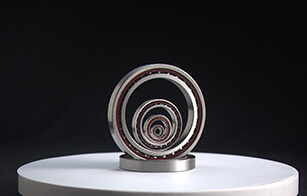
Different materials and heat treatments are used for bearings in different parts, such as heat treatment methods to improve the mechanical properties of 40CrMo steel at low temperatures (ambient temperature -40℃∽-30℃, bearing operating temperature around -20℃) such as impact energy, and control of the hardened layer depth, surface hardness, soft zone width and surface cracks of surface induction quenching.The speed increaser bearing is made of steel equivalent to foreign STF and HTF steel and the optimal content of retained austenite is controlled; the spindle bearing is made of electroslag remelting carburizing steel ZG20Cr2Ni4A as the quality of domestic vacuum degassed steel is still far behind.
2024-07-15
More >>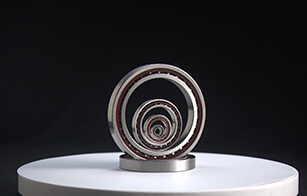
Introduction:Deep groove ball bearings are a fundamental component in various mechanical systems, playing a crucial role in enabling smooth and efficient rotational motion. These bearings are widely used in a wide range of applications, including automotive, industrial machinery, appliances, and more. In this article, we will explore the construction, working principle, advantages, and common applications of deep groove ball bearings.Construction:Deep groove ball bearings consist of four main components: an outer ring, an inner ring, a cage, and rolling elements (balls). The outer and inner rings have raceways that form a deep groove, hence the name "deep groove ball bearing." The rolling elements are positioned within the raceways and separated by the cage, which ensures their proper alignment and distribution.Working Principle:The primary function of a deep groove ball bearing is to support radial and axial loads while enabling smooth rotational motion. When a radial load is applied, the load is distributed evenly across the balls, which roll along the raceways. This design minimizes friction and reduces energy loss, allowing the bearing to operate with high efficiency. Additionally, deep groove ball bearings can accommodate axial loads in both directions, making them versatile for various applications.Advantages:Versatility: Deep groove ball bearings are available in a wide range of sizes, designs, and materials, making them suitable for diverse applications and operating conditions.High Speed Capability: These bearings are designed for high-speed rotation with low friction and reduced heat generation. They can handle rotational speeds of several thousand revolutions per minute (RPM), enabling efficient operation in demanding applications.Low Maintenance: Deep groove ball bearings are known for their durability and long service life. They require minimal maintenance, resulting in cost savings and increased productivity.Cost-Effective: With their widespread availability and competitive pricing, deep groove ball bearings offer a cost-effective solution for many industries.Applications:Deep groove ball bearings find applications in numerous industries and equipment, including:Automotive: They are used in wheel hubs, transmissions, engines, and other automotive components.Industrial Machinery: Deep groove ball bearings are employed in various machinery, such as electric motors, pumps, conveyors, and gearboxes.Appliances: They are found in household appliances like washing machines, refrigerators, and fans, ensuring smooth and reliable operation.Power Tools: Deep groove ball bearings are essential in power tools, such as drills, grinders, and saws, delivering precision and efficiency.Agricultural Machinery: These bearings are utilized in agricultural equipment like tractors, combines, and harvesters, enduring harsh conditions and heavy loads.Conclusion:Deep groove ball bearings are indispensable components that facilitate smooth and efficient rotational motion in a wide range of applications. Their versatility, high-speed capability, low maintenance requirements, and cost-effectiveness make them a preferred choice for engineers and designers. Whether in automotive, industrial, or household applications, deep groove ball bearings continue to play a vital role in ensuring reliable and precise mechanical performance.
2024-07-10
More >>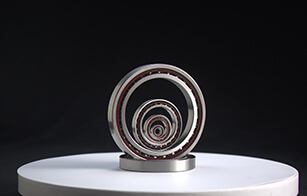
Proper maintenance practices play a crucial role in extending the service life of spherical roller bearings. Here are some key maintenance practices that can help maximize the lifespan of these bearings:Lubrication: Adequate lubrication is essential for the proper functioning of spherical roller bearings. Regularly lubricating the bearings with the recommended lubricant, in the right quantity and at the correct intervals, helps reduce friction, minimize wear, and prevent premature failure. It's important to follow the manufacturer's guidelines for lubrication, including the type of lubricant, viscosity, and re-greasing frequency.Contamination Control: Keeping spherical roller bearings free from contamination is vital for their longevity. Dust, dirt, moisture, and other contaminants can lead to increased wear, corrosion, and reduced performance. Implementing effective contamination control measures such as proper sealing, using protective covers, and maintaining clean operating environments can significantly extend the bearing's service life.Proper Handling and Installation: Correct handling and installation procedures are critical to prevent damage to spherical roller bearings. Care should be taken to avoid dropping or impacting the bearings during transportation or installation. Additionally, ensuring proper alignment, shaft and housing fits, and the correct tightening of fasteners can help distribute loads evenly and prevent excessive stress and premature failure.Regular Inspection and Monitoring: Regular inspection of spherical roller bearings allows for the early detection of potential issues and enables timely corrective actions. Periodic visual inspections, vibration analysis, temperature monitoring, and other condition monitoring techniques can help identify signs of wear, misalignment, lubrication issues, or other problems that may impact bearing performance. Promptly addressing any identified issues can prevent further damage and extend the bearing's service life.Replacement of Worn Bearings: When spherical roller bearings show signs of significant wear, damage, or reduced performance, they should be promptly replaced. Continuing to operate worn bearings can lead to increased friction, heat generation, and potential catastrophic failure. Regularly monitoring bearing condition and scheduling timely replacements when necessary is essential for maintaining optimal performance and preventing costly equipment downtime.Training and Knowledge: Ensuring that maintenance personnel are properly trained and have a good understanding of the specific maintenance requirements for spherical roller bearings is crucial. Training programs and access to technical resources provided by bearing manufacturers can help maintenance personnel acquire the necessary knowledge and skills to perform effective maintenance practices.By implementing these proper maintenance practices, industrial equipment owners can effectively extend the service life of spherical roller bearings, reduce downtime, and minimize overall maintenance costs. It is important to refer to the specific manufacturer's recommendations and guidelines for maintenance procedures relevant to the particular spherical roller bearings being used.
2024-07-04
More >>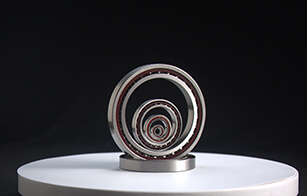
Premature spherical roller bearing failure can occur due to various factors. Some of the most common causes include:Insufficient Lubrication: Lack of proper lubrication or using the wrong type of lubricant can lead to increased friction, excessive heat, and accelerated wear. Insufficient lubrication can result in metal-to-metal contact, causing premature bearing failure.Contamination: Contamination, such as dust, dirt, water, or other foreign particles, can enter the bearing and cause abrasive wear, corrosion, or lubricant deterioration. Contaminants can disrupt the smooth operation of the bearing and lead to premature failure.Overloading: Applying excessive loads beyond the bearing's rated capacity can result in increased stress and fatigue, leading to premature failure. Overloading can occur due to incorrect bearing selection, improper installation, or changes in operating conditions.Misalignment: Improper alignment between the shaft and housing can cause excessive forces and misalignment stresses on the bearing. Misalignment can result from incorrect installation, shaft deflection, or thermal expansion. Spherical roller bearings are designed to handle some degree of misalignment, but excessive misalignment can lead to premature failure.Improper Handling and Installation: Mishandling or improper installation practices, such as dropping or impacting the bearing, incorrect fits, or improper tightening of fasteners, can cause damage to the bearing surfaces, raceways, or rolling elements. These damages can lead to premature failure during operation.Inadequate Maintenance: Neglecting regular maintenance activities, such as lubrication, inspection, and monitoring, can contribute to premature bearing failure. Lack of proper maintenance allows issues like lubrication degradation, contamination buildup, or early signs of wear to go unnoticed and unaddressed, leading to accelerated bearing deterioration.High Temperatures: Excessive heat generated due to high operating temperatures can degrade the lubricant, reduce its effectiveness, and cause thermal expansion and accelerated wear. Elevated temperatures can result from factors such as insufficient cooling, high friction, or prolonged operation in demanding conditions.Improper Shaft or Housing Fits: Inappropriate fits between the bearing, shaft, and housing can result in excessive clearance or interference, leading to increased stress and premature failure. The selection of the correct fits is crucial to ensure proper load distribution and minimize the risk of failure.Fatigue and Material Issues: Spherical roller bearings are subject to fatigue failure over time due to repeated stress cycles. Poor bearing design, substandard materials, or manufacturing defects can contribute to premature fatigue failure.Environmental Factors: Harsh operating environments, such as exposure to corrosive substances, excessive moisture, or abrasive contaminants, can accelerate bearing deterioration and lead to premature failure.It's important to note that these causes are not exhaustive, and multiple factors can interact to contribute to premature spherical roller bearing failure. To mitigate these risks, proper maintenance practices, adherence to manufacturer guidelines, regular inspection, and timely replacement of worn or damaged bearings are essential.
2024-07-01
More >>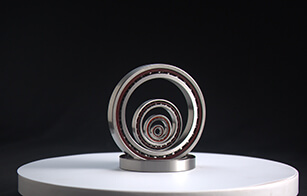
Slewing bearings are widely used in construction machinery, including earth-moving machinery, excavators, dismantling machines, stackers, graders, rollers, compactors, rock drills, tunneling machines, etc.1. Trailers: This type of bearing is used in many applications, the most important of which are in the transport industry, agricultural trailers, irrigation systems and airport luggage racks. In vehicle applications, the bearings transmit axial loads, radial loads and torque. In other applications, they mostly transmit axial loads.2. Wind power: Wind turbine bearings usually include yaw bearings, pitch bearings, and transmission system bearings (main shaft and gearbox bearings). ZYS provides customers with yaw bearings and pitch bearings. The yaw bearing is installed at the connection between the tower and the cabin, and the pitch bearing is installed at the connection between the root of each blade and the hub. Each wind turbine uses one set of yaw bearings and three sets of pitch bearings.3. Solar energy: Rotating solar panels are a good solution to increase energy. Due to the very compact design of the ZYS bearing, it can supply solar power fields.4. Medical equipment: The high-precision, low-noise, long-life, and high-reliability series of medical equipment spindle turntable slewing bearings developed by ZYS Bearings have been widely used in large medical equipment such as gamma knives, CT machines, and MRI machines.5. Industrial robot: ZYS turntable bearings are installed in the joints of the robot. This structure can achieve incredibly high-precision rotational motion.
2024-06-28
More >>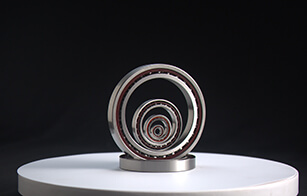
Slewing bearings are also called turntable bearings. Unlike ordinary bearings, slewing bearings usually have mounting holes, internal or external gears, lubricating oil holes and seals. Therefore, this product has the characteristics of compact structure, convenient guidance and convenient maintenance. Slewing bearings are composed of outer rings, inner rings, rolling elements, etc. They are mechanical parts that can withstand large axial, radial and tipping moments and have good load-bearing capacity.Advantages of slewing bearings1. The size of slewing bearings is generally large, with a diameter of 0.4~10 m, and some even reach 40 m. The bearings can be customized according to the characteristics of the mechanical equipment.2. Slewing bearings usually bear multiple loads, including axial force, radial force, and huge overturning moment. Therefore, slewing bearings can play the role of several sets of ordinary rolling bearings.3. The speed of the slewing bearing is relatively low, usually not exceeding 10 rpm. In addition, in most cases, the slewing bearing does not rotate continuously, but only rotates back and forth at a specific angle, just like a "swing bearing".4. There are great differences between slewing bearings and rolling bearings in manufacturing process, materials and heat treatment. The slewing bearing has a gear ring for rotary drive and a seal for dust prevention.5. The size of the slewing bearing is very large. Unlike ordinary bearings, it is not mounted on the central shaft and installed in the bearing box, but is fastened to the upper and lower supports with screws.
2024-06-25
More >>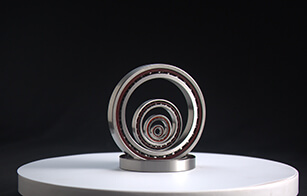
Thrust angular contact bearings are a type of precision bearings designed to handle both axial (thrust) and radial loads. They belong to the family of angular contact bearings, which are characterized by the contact angle between the bearing's inner and outer raceways.Thrust angular contact bearings are widely used in the following industries:Aerospace: Thrust angular contact bearings are extensively utilized in the aerospace industry for applications such as aircraft engines, landing gear systems, and control surfaces. These bearings provide high load-carrying capacity, precise axial positioning, and reliable performance in demanding aerospace environments.Automotive: The automotive industry relies on thrust angular contact bearings for various components, including transmissions, wheel hubs, and steering systems. These bearings handle both axial and radial loads, ensuring smooth and efficient operation of automotive systems.Industrial Machinery: Thrust angular contact bearings find widespread use in industrial machinery such as machine tools, pumps, compressors, and gearboxes. They offer high-speed capability, excellent rigidity, and the ability to withstand heavy thrust loads, making them essential for industrial applications.Energy and Power Generation: In the energy sector, thrust angular contact bearings are utilized in generators, turbines, and other power generation equipment. These bearings provide reliable support, high rotational accuracy, and resistance to axial forces, ensuring efficient and durable operation in power generation facilities.Oil and Gas: Thrust angular contact bearings are commonly employed in oil and gas exploration, production, and refining equipment. They are used in pumps, compressors, and drilling machinery, where they handle high axial loads and provide long-lasting performance under harsh operating conditions.Heavy Machinery and Construction: Thrust angular contact bearings play a crucial role in heavy machinery and construction equipment, such as cranes, excavators, and loaders. They enable efficient load distribution and withstand heavy axial and radial forces encountered in these applications.These are just a few examples of the industries where thrust angular contact bearings are widely applied. Their versatility, load-carrying capacity, and ability to handle both axial and radial loads make them essential components in numerous industrial sectors.
2024-06-19
More >>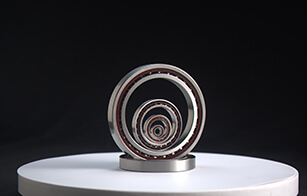
Machine tool spindles typically use precision bearings that can handle high speeds, high accuracy, and withstand both radial and axial loads. The specific types of bearings commonly used in machine tool spindles include:01Deep Groove Ball BearingsThese bearings are primarily used to withstand radial loads. They are pre-assembled with a fixed clearance and cannot be adjusted, making them suitable for applications that do not require high precision or preload, such as ordinary drilling spindle.02Angular Contact Ball BearingsThese bearings can withstand both radial and axial loads. They need to be installed in pairs and can improve the spindle stiffness through preload. Angular contact ball bearings come in various contact angles, such as 15°, 25°, 40°, each with specific application scenarios.03Double Direction Thrust Angular Contact Ball BearingsThese bearings typically have a contact angle of 60° and are suitable for applications that require bidirectional axial loads. They are often used in combination with double row cylindrical roller bearings for lathe, grinder, drill, milling machine, and boring machine spindles.04Double Row Cylindrical Roller BearingsThese bearings can withstand large radial loads and allow for high speeds. They are commonly used in high-speed rotating machine tool spindles.05Tapered Roller BearingsTapered roller bearings also have high speed and load-carrying capabilities, being able to withstand both radial and axial loads. Double row tapered roller bearings can handle bidirectional axial loads as well.Each of these bearing types has its own characteristics. Depending on the specific requirements and performance needs of the machine tool, the appropriate bearing type can be chosen for use.
2024-06-18
More >>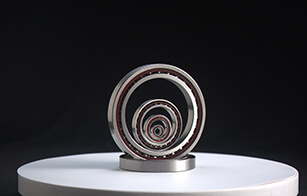
IntroductionCross roller bearings represent a significant advancement in mechanical engineering, playing a vital role in various industries such as robotics, machine tools, medical equipment, and aerospace. These bearings are designed to withstand high radial, axial, and moment loads while maintaining superior accuracy and rigidity. In this article, we delve into the features, benefits, and applications of cross roller bearings, highlighting their efficiency and versatility in modern engineering.Understanding Cross Roller BearingsCross roller bearings, also known as crossed roller bearings or crossed roller slide bearings, are a type of rolling element bearing that combines cylindrical rollers arranged in a crisscross pattern. The rollers are positioned orthogonal to each other between two parallel inner and outer rings. This unique design allows for high load-carrying capacity, precise rotational motion, and reduced frictional resistance.Key Features and Benefits2.1 High Load Capacity: Cross roller bearings are engineered to support both radial and axial loads simultaneously. The crisscross arrangement of cylindrical rollers distributes the load evenly, ensuring optimal load-carrying capacity and improved operational efficiency.2.2 Rigidity and Accuracy: The crossed roller design provides exceptional rigidity, allowing for precise and repeatable motion control. These bearings exhibit minimal elastic deformation, ensuring accurate positioning and reduced backlash, essential in applications that demand high precision.2.3 Compact Design: Cross roller bearings have a compact structure due to their roller arrangement, enabling them to fit into tight spaces and applications with limited radial or axial room. Their compactness enhances the overall system design and allows for increased flexibility in various machinery configurations.2.4 Frictional Resistance: Cross roller bearings significantly reduce friction due to the rolling motion of the cylindrical rollers. This results in smoother and more efficient operation, translating into energy savings and extended service life.Applications of Cross Roller Bearings3.1 Robotics: Cross roller bearings find extensive use in robotic systems, where precision, rigidity, and compactness are crucial. They are employed in robot joints, rotary tables, and manipulators, enabling smooth and accurate motion control for tasks such as assembly, welding, and pick-and-place operations.3.2 Machine Tools: Cross roller bearings are widely used in machine tools, including milling machines, lathes, and grinding machines. Their high rigidity and accuracy contribute to improved machining precision and surface finish. They facilitate the smooth movement of spindles, tables, and tool carriers, enhancing the overall performance of these machines.3.3 Medical Equipment: Cross roller bearings play a vital role in medical devices such as X-ray machines, CT scanners, and surgical robots. The bearings' ability to handle high loads, maintain precision, and operate in confined spaces ensures the reliability and accuracy of these critical medical instruments.Maintenance and ConsiderationsTo ensure optimal performance and longevity of cross roller bearings, regular maintenance is essential. Proper lubrication, periodic inspection for wear, and protection from contamination are crucial factors to consider. Additionally, understanding the specific load requirements, speed limits, and operating conditions is vital for selecting the appropriate cross roller bearing for a given application.Cross roller bearings are integral components in diverse industries, providing exceptional load-carrying capacity, rigidity, and accuracy. Their compact design and reduced frictional resistance make them an ideal choice for applications where space constraints and energy efficiency are paramount. By incorporating cross roller bearings into engineering designs, manufacturers can achieve enhanced performance, increased productivity, and improved product quality in a wide range of applications.
2024-06-14
More >>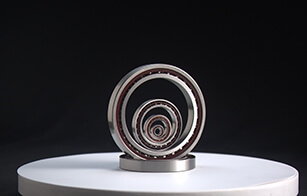
When selecting the appropriate cross roller bearing for a specific application, several key design considerations should be taken into account. These considerations ensure that the bearing can meet the performance requirements and operate efficiently in the intended environment. Here are some essential factors to consider:1. Load Requirements: Determine the expected radial, axial, and moment loads that the bearing will need to support. It is crucial to select a cross roller bearing with a load capacity that exceeds or matches the anticipated loads to ensure reliable and long-lasting performance.2. Rigidity and Accuracy: Consider the required level of rigidity and accuracy for the application. Applications demanding high precision, such as robotics or machine tools, require bearings with excellent rigidity and minimal elastic deformation to achieve accurate positioning and reduce backlash.3. Space Constraints: Assess the available space for bearing installation. Cross roller bearings are known for their compact design, making them suitable for applications with limited radial or axial room. Ensure that the selected bearing can fit within the available space without compromising performance.4. Speed and Operating Conditions: Determine the rotational speed and operating conditions of the application. Cross roller bearings have specific speed limits, and exceeding these limits can lead to premature wear or failure. Consider factors such as temperature, humidity, and exposure to contaminants when selecting a bearing suitable for the operating environment.5. Mounting and Assembly: Evaluate the mounting and assembly requirements of the bearing within the overall system. Consider factors such as ease of installation, alignment, and any special mounting considerations specific to the application. Some cross roller bearings may require additional components or customized mounting arrangements.6. Lubrication and Maintenance: Understand the lubrication requirements and maintenance procedures for the selected bearing. Proper lubrication is crucial for reducing friction and wear, ensuring smooth operation and extending the bearing's service life. Consider the accessibility for lubrication and any maintenance requirements in the application.7. Cost and Availability: Consider the overall cost and availability of the selected cross roller bearing. Evaluate factors such as the initial cost, potential maintenance costs, and the availability of spare parts. It's essential to balance performance requirements with cost considerations to achieve the optimal solution for the application.By carefully considering these design considerations, engineers and designers can select the most suitable cross roller bearing for a specific application, ensuring optimal performance, longevity, and reliability.
2024-06-12
More >>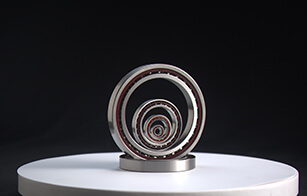
Slewing bearings can be categorized into three types: external tooth slewing bearings, internal tooth slewing bearings, and toothless slewing bearings. When choosing between internal tooth and external tooth slewing bearings, it is important to consider their advantages and disadvantages.Internal tooth slewing bearing: The internal gear of this type is located inside the slewing bearing, giving it a relatively clean appearance. The engagement between the driving gear and the slewing bearing takes place internally, eliminating the need for a safety cover. The internal gear provides better resistance to dust, and the lubricant can be retained for a longer duration. The contact stress during internal tooth meshing is low, resulting in minimal wear and a longer service life. However, due to the size limitations of the internal tooth slewing bearing, the internal space is relatively compact. This can make installation and initial debugging more challenging, as well as fault diagnosis and gear meshing inspection in later stages.External tooth slewing bearing: The teeth of the external tooth slewing bearing are located outside the slewing bearing, making it easier to install and allowing for maximum utilization of the limited space within the bearing. Fault diagnosis and gear meshing inspection are simpler in this configuration. The larger pitch diameter of the ring gear enables a higher transmission ratio and significantly reduces the circumferential force and torque on the pinion.In summary, the choice between internal tooth and external tooth slewing bearings depends on the specific requirements of the application. Internal tooth slewing bearings offer advantages such as cleanliness, better dust resistance, lower wear, and longer service life. However, they may pose challenges in terms of limited internal space and installation/debugging processes. On the other hand, external tooth slewing bearings are easy to install, allow for efficient space utilization, and facilitate fault diagnosis and gear meshing inspection. They are particularly suitable for applications requiring a higher transmission ratio and reduced circumferential force and torque on the pinion.
2024-06-06
More >>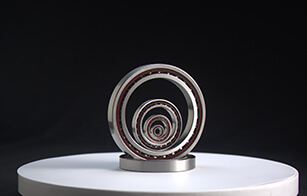
The thermal processing link is indispensable for the working of a slewing bearing. It is crucial to thermally process the pulley part of the slewing bearing to ensure its proper functioning. The pulley part plays a vital role in effectively supporting all objects, making it necessary to consider various aspects during the hot processing stage. Today, we will provide you with detailed instructions on the hot processing of slewing bearings.In general, the hot processing of slewing bearings follows a set of correct operational procedures. The typical process steps include forging, roughing, quenching and tempering, finishing, flame surface quenching of the raceway surface, and raceway surface grinding. The flame quenching is specifically applied to one of the raceway surfaces to create a soft belt. The soft belt refers to the area that has not undergone heat treatment, and its formation is essential for the heat treatment process. Due to the relatively large diameter of the raceway circle in slewing bearings, flame surface quenching is commonly employed. This method involves heating the workpiece's surface with acetylene and then rapidly cooling it with water. The process is performed continuously by moving the heated flame gun and water gun along the circle of the workpiece.When the movement approaches 360 degrees, the heating and water spray must be immediately halted. The circular areas of heating and water spray should not overlap, as overlapping can lead to cracks in the workpiece (heat treatment at an angle greater than 360 degrees on the circle). The tangential width of the unheated area, known as the soft belt in the slewing ring, is typically 15 mm. The specific position of the soft belt is usually marked with the letter "S" on the workpiece, which is a crucial indication found in both imported and domestically produced standard products.The precautions for the slewing bearing during the hot working process align with the information we provided earlier. It is essential to be attentive and follow these precautions uniformly to ensure the correct operation of the pulley part in the slewing bearing.
2024-06-04
More >>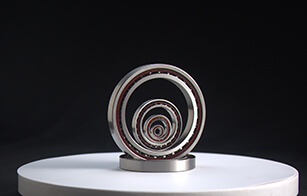
Recently, according to the "Notice on the Evaluation Results of the Construction of the Provincial Green Manufacturing System in Henan Province in 2024" issued by the Henan Provincial Department of Industry and Information Technology, Luoyang Bearing Research Institute Co., Ltd. was awarded the honorary title of "Provincial Green Factory". This is another achievement certification obtained by ZYS after passing the "Energy Management System Certification". It is a recognition of ZYS's long-term adherence to energy conservation and consumption reduction, clean production, and green development. It marks that ZYS has taken a new step in the construction of green manufacturing systems such as low-carbon management, energy consumption improvement and resource utilization."Green Factory" is a national selection activity organized by the Ministry of Industry and Information Technology. It is divided into national, provincial and municipal levels. It is an authoritative recognition given to enterprises that meet the "green development" requirements. It aims to improve my country's green manufacturing system, comprehensively promote green manufacturing, and help the industrial field achieve carbon peak and carbon neutrality goals.In recent years, Luoyang Bearing Research Institute Co., Ltd. has continued to improve production efficiency, reduce energy consumption and waste generation, and achieve efficient use of energy through technological innovation, management optimization, and process equipment improvement, with remarkable results. In May, the "High-end Precision Bearing Intelligent Manufacturing Demonstration Production Line" project of the Precision Bearing Manufacturing Department of Luoyang Bearing Research Institute Co., Ltd. won the second prize in the second "Zero Carbon Zhongyuan Cup" Henan Green Manufacturing Technology Application Innovation Competition, which is a full affirmation of the company's promotion of green and low-carbon technology applications in the bearing industry.Being rated as a provincial green factory is a concentrated reflection of Luoyang Bearing Research Institute Co., Ltd.'s full role as a leading enterprise in the bearing industry, its active implementation of the "dual carbon" strategy, and its demonstration of the results of green development and construction. Next, ZYS will take this provincial green factory certification as an opportunity to continue along the direction of digital and green development, enhance energy-carbon construction, actively promote the creation of national green factories, and use practical actions to lead the bearing industry towards a greener and more sustainable future, and help my country's bearing industry develop in a green, low-carbon and high-quality manner.
2024-05-31
More >>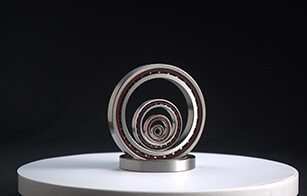
Rolling bearing has two kinds of structure with and without cage. Large bearings are generally required to withstand large loads, it is possible to not with cage, but in the inner and outer raceway filled with rolling elements. But: most small and medium-sized rolling bearings are with cage, the main role of the cage is:The bearing cage separates the rolling elements at equal distances and spreads them evenly around the circumference of the raceway to prevent the rolling elements from colliding and rubbing against each other;Guide and drive the rolling body on the correct raceway;The bearing cage space can store grease;In separating types of bearings, the cage can combine the rolling element and the collar to prevent the rolling element from falling out.Nylon bearing cages have low vibration, low noise, low heat generation, high load carrying capacity, which can improve the limiting speed and life of bearings, and usually can work stably for a long time in the temperature range of -40℃ to +80℃, and have compatibility with bearing lubricants, nylon bearing cages are suitable for electric motors, machine tools, gear transmission shafts, pumps, compressors and other fields.Nowadays, nylon bearing cages are used more and more, so what are its advantages?The nylon cage of bearings is a new generation of products to replace the copper cage and iron cage, which has many advantages compared with the metal cage:First, it is light in weight, which improves the flexibility of the bearings, and if it is used in electrical appliances or energy-consuming products, it has a great effect on energy saving.Second, it is light in weight, bearing in the rotation process, the centrifugal force generated by itself is relatively small, more suitable for high-speed working conditions.Thirdly, it has low noise, which is the first choice for manufacturing silent bearings, especially for electrical appliances with high noise requirements, nylon cages are the first to be chosen.Fourthly, it has low friction, which can effectively extend the service life of the bearings. The friction of nylon cage on rolling body is lower than the friction of metal cage on steel ball, which greatly extends the service life of the bearings.Fifth, it is simple to manufacture, greatly improving production efficiency and reducing production costs.Although nylon cages have so many advantages, there are also many disadvantages in the process of bearing use, mainly:Nylon bearing cage bearings can only be operated at room temperature.The compressive strength of nylon bearing cages is not as high as that of sheet metal cages, and the capacity of the load is not as high.Nylon bearing cage bearings can not be used in the corrosive effect on its environment to use.In short, the bearing metal cage and nylon cage have their own advantages and disadvantages, in the choice according to the use of requirements, such as the requirements of low-noise electrical appliances to use, we must choose nylon cage bearings. In the high temperature, load, vibration equipment, give preference to pressed steel cage.
2024-05-27
More >>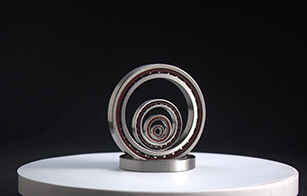
Machine tool bearings, as essential components of machine tools, must possess specific mechanical characteristics to meet the requirements of their applications. These characteristics include:High precision:Machine tool bearings must exhibit high manufacturing accuracy to ensure the precision and stability of the machine tool. This includes precise control of rotation accuracy and pre-tightening force in spindle bearings, guaranteeing the desired machining accuracy.High-speed operation:Modern machine tools operate at increasingly higher speeds, necessitating bearings with enhanced speed capacity and stability. Additionally, bearings used in high-speed applications should demonstrate excellent heat dissipation and friction performance to ensure reliable operation.Large load-bearing capacity:Machine tools encounter substantial loads during the machining process, demanding bearings with a significant load-bearing capacity and rigidity. This ensures that the machine tool remains free from excessive deformation or vibration when subjected to heavy loads.Long service life:The service life of machine tool bearings has a direct impact on maintenance costs and machine tool efficiency. High-quality bearings maintain stable performance over an extended period, reducing the frequency of maintenance and replacement.Good lubrication performance:Effective lubrication is crucial for reducing friction and wear in bearings, leading to prolonged service life. Lubricants also aid in heat dissipation and noise reduction. Therefore, selecting suitable lubricants and implementing appropriate lubrication methods significantly influences the performance and longevity of machine tool bearings.Impact resistance and vibration:Machine tools experience various external forces during the machining process. Hence, bearings need to possess excellent impact resistance and vibration damping capabilities, ensuring that the machine tool remains undamaged and free from excessive deformation when subjected to external forces.Strong adaptability:Machine tool bearings should exhibit adaptability to different working conditions and environments, including temperature, humidity, and atmosphere. This ensures that the machine tool maintains stable performance and accuracy across diverse operating conditions.
2024-05-23
More >>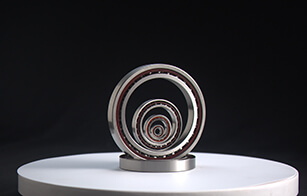
Definition of ultra-low temperature bearings:Ultra-low temperature bearings are bearings specifically designed to function in environments characterized by extremely low temperatures, typically below -150 ℃. These bearings incorporate special materials and designs to ensure optimal performance and stability under such extreme cold conditions. They find widespread applications in industries such as aerospace, liquefied natural gas, and cold chain logistics.Applications of ultra-low temperature bearings:Ultra-low temperature bearings find widespread utilization across various industries, including aerospace, liquefied natural gas, and cold chain logistics. In the aerospace sector, they are employed in critical components such as gesture control systems and propulsion mechanisms for satellites and rockets. Within the liquefied natural gas industry, ultra-low temperature bearings are integral to the transmission systems of storage and transportation equipment. In cold chain logistics, these bearings facilitate the smooth operation of transmission systems in refrigeration equipment, ensuring stability in low-temperature environments.Materials for ultra-low temperature bearings:The selection of materials plays a critical role in the performance of ultra-low temperature bearings. To withstand the challenges of extremely low temperature environments, these bearings employ materials known for their low-temperature resistance, such as stainless steel and nickel-based alloys. These materials retain favorable mechanical properties and stability even at exceedingly low temperatures, enabling the bearings to operate reliably over extended periods.Design considerations for ultra-low temperature bearings:The design of ultra-low temperature bearings is of paramount importance. In addition to conventional rolling elements and cages, special attention must be given to the choice of lubricants and sealing performance. Lubricants tend to solidify or thicken at extremely low temperatures, necessitating the use of specialized lubricants like grease or solid lubricants in ultra-low temperature bearings. Effective sealing is also crucial to prevent external impurities and gases from infiltrating the bearing's interior.Working temperature range of ultra-low temperature bearings:The working temperature range of ultra-low temperature bearings varies depending on the specific application field. In the aerospace industry, ultra-low temperature bearings typically operate within a range of -150 ℃ to -270 ℃. For liquefied natural gas applications, the working temperature range is typically around -163 ℃. In cold chain logistics, the working temperature range is determined by specific requirements, commonly falling between -40 ℃ and -70 ℃.
2024-05-20
More >>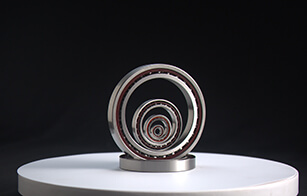
Here are the key points about ceramic bearings:What is ceramic?· Ceramic materials are derived from clay and made through a heating/baking process. They are commonly found in art objects, utensils, tiles, brake discs, etc.Properties of ceramic bearings:· Ceramic bearings are lighter, more wear-resistant, and electrically insulating compared to standard steel bearings.· There are two main types:1. Hybrid bearings - have ceramic balls/rollers and steel rings2. Full ceramic bearings - made entirely of ceramics like silicon nitride or zirconium oxide· Key advantages:· Electrically insulating - prevent current flow that can damage bearings· Suitable for high speeds· Highly resistant to wear, abrasion, corrosion, and high temperatures· Ceramic bearings have longer life and require less maintenance than steel bearings.Considerations:· The manufacturing process for ceramic bearings is complex and energy-intensive, making them more expensive.· It's important to determine which features are most important for your specific application before choosing between steel, hybrid, or full ceramic bearings.Overall, ceramic bearings offer significant benefits in certain applications, especially with the growth of electric vehicles, but the production costs must be weighed against the performance advantages.
2024-05-17
More >>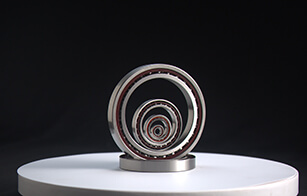
The electric spindle is a precision component characterized by high speed and high rigidity. To ensure its optimal performance and longevity, it is crucial to adhere to proper operating procedures. ZYS BEARING recommends the following guidelines for users:Before starting the machine, ensure that the spindle cooling system is functioning correctly. Only operate the electric spindle when the cooling system is active. It is essential to check the fan and pump functionality beforehand. For water-cooled spindles, inspect the cooling water for impurities and ensure smooth water flow through the pipes.When using the electric spindle, follow the practice of gradually increasing the speed from low to high, allowing for preheating. Once the spindle reaches the required speed and exhibits stable no-load operation, commence the processing. This approach protects the spindle and minimizes wear.Avoid knocking or impacting the spindle fixture and rotor end threads during operation. Such actions can reduce the lifespan of parts and impact the spindle's performance.When replacing the cutting tool, ensure it is done correctly. Apply even force during tool loading, align the tool thread with the rotor end thread, and then secure it. If a tool change is necessary during operation, allow the spindle to cool down before proceeding.If the fixture becomes stuck on the rotor end of the spindle during operation, never attempt to remove it by tapping. Use appropriate tools to extract the clamp without damaging the rotor threads. Clean the rotor taper holes and fixtures to prevent premature spindle wear and maintain the quality of processed workpieces. If the fixture has lost its accuracy, it should be promptly replaced.ZYS offers training programs on spindle operation and maintenance for electric spindle operators. For spindle inquiries, please contact sales@zys.com.cn.
2024-05-11
More >>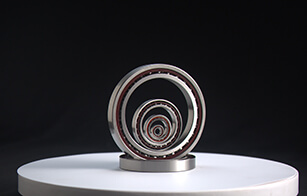
The function of thin-walled bearings is to separate the rotating body by a certain distance, prevent the rotating body from falling into the rolling bearing, and correctly control the rotation of the rotating body. During operation, rolling friction will cause heat and damage, especially in the case of high-speed operation, friction damage and heat will increase, and in more serious cases, damage will increase. It will cause the rolling bearing to catch fire, crack, and lead to failure.Among the reasons for the damage of thin-walled bearings, the quality of bearing materials is one of the key reasons. Therefore, the raw materials are required to have the following characteristics as much as possible:1. Have stable compressive strength and plastic deformation, can withstand certain loads and impact forces, and have good plastic deformation and bending strain. 2. The friction with the rotating body is small and the wear resistance is good. 3. The heat transfer coefficient should be as high as possible. 4. The proportion is small, and the thermal expansion coefficient is similar to the inverted type. 5. Since the maintenance of steel frame structures is usually complicated, the materials used are required to have high-quality manufacturing performance. 6. The raw materials for metal material mold forming must have high-quality plastic deformation and plasticity. 7. The material has high-quality fiber laser cutting performance. 8. The raw materials for the introduction of thin-walled bearings must have high-quality introduction performance.Thin-walled bearings can also be coated to improve internal fit and achieve the desired running characteristics.
2024-05-09
More >>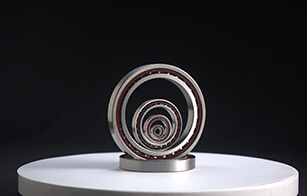
On December 2, the key project "Research and Application of Key Technologies for High-Performance Motor Insulated Bearings" of the national key R&D program "Manufacturing Basic Technologies and Key Components" led by ZYS held a comprehensive performance evaluation meeting in Luoyang. More than 40 people including project leaders, subject leaders, project technical backbones and project management personnel attended the meeting. Gao Yuanan, Secretary of the Party Committee and Chairman of the Institute of ZYS, attended the meeting and delivered a speech. The meeting was chaired by Li Wenchao, deputy general manager and chief engineer of ZYS.At the meeting, each project team reported on the implementation of the project. Project responsible expert Chen Bingkui and special experts Li Dongru and Wang Shaoping, as well as 7 peer experts including Zhou Yu, Chairman of the China Bearing Industry Association, formed a review expert group to review the data for each topic. Questions and comments. In the end, all five topics passed the comprehensive performance evaluation.This project is led by ZYS, with participation from 9 units including including HIT, Shanghai Union Axis, Xi 'an CRRC, Xi 'an Jiaotong University, Lanhua Institute, River University of Science and Technology, Beijing Jiaotong University, Nanjing Tianma and Zhengzhou Sanmo Institute. The project is oriented towards traction Insulated bearings used in motors, wind turbines and other fields are faced with the problems of poor quality consistency, low life reliability and lack of performance evaluation system in batch manufacturing. Key issues such as bearing optimization design, coating preparation, precision machining, test evaluation and application verification have been carried out. Collaborative technological research has enabled applications in areas such as rail transit or wind turbines.This time, the five topics passed the comprehensive performance evaluation, which is crucial and significant to the overall acceptance of the project. As the project lead unit, ZYS will, as always, provide all-round guarantees for all project tasks to ensure that the project successfully passes acceptance. In the next step, we will strengthen the transformation of project results, break the foreign technology monopoly as soon as possible, realize the comprehensive domestic substitution of insulated bearings, strengthen my country's high-speed rail and wind power industry chain, and contribute to the comprehensive implementation of the manufacturing power and innovation-driven development strategy!About ZYSZYS focuses on developing high-performance bearing products for key units of national economic construction. We perform batch production of various high-rank bearing products and components with inner diameter of 0.6mm to outer diameter of 6.8m. We are mainly engaged in the research, development, production and sales of precision bearing, special bearing, high-speed machine tool spindle, bearing special equipment, bearing testing instruments, bearing testing machine and bearing special materials, which are widely used in the fields of aerospace, machine tools, wind power generation, mine metallurgy, petrochemical, medical equipment, automobiles and rail transit, construction machinery, intelligent manufacturing services, etc.Contact ZYSE-mail:sales@zys.com.cnTel: 0086-379-64884656Web:www.zysbearing.com
2023-12-05
More >>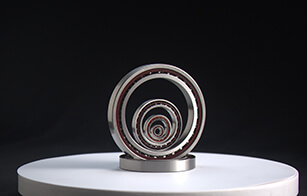
From November 27th to 30th, the head of quality management, deputy director of the cryogenic equipment design department and technical experts of a well-known Russian company formed an audit team to conduct an on-site two-party audit and certification of the ZYS Precision Components Division. ZYS Deputy General Manager Jiang Wei and General Manager of Precision Components Division Yang Hu attended the first review meeting.The audit team conducted a comprehensive and systematic inspection, evaluation and audit focusing on the production and manufacturing, quality control, human resources, safety and environmental protection of precision bearings. The Precision Components Division and relevant departments attached great importance to this audit. The review personnel actively and efficiently cooperated, and the on-site audit work was successfully completed according to the audit plan.At the final meeting, the audit team unanimously believed that ZYS has a good foundation and strength in quality assurance capabilities, production and supply capabilities, technical service capabilities, safety and environmental protection, etc., which meets its relevant requirements for qualified low-temperature bearing suppliers, and provided suggestions for improvement Communicate. After comprehensive evaluation, ZYS won high recognition from users with a high score of 94.27.Jian Xueli, director of the ZYS Quality Assurance Department, Guo Zhiguang, director of the Work Safety Department, Sun Dong, deputy general manager of the Precision Components Division, and relevant responsible persons attended the first meeting of the review.
2023-12-02
More >>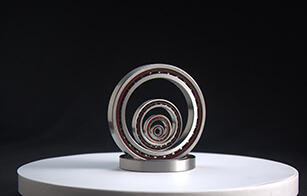
Recently, the Henan Provincial Science and Technology Research and Development Joint Fund (Industrial) approved the project "Research and Industrialization of Key Technologies for High-speed Oil-free Lubricated Bearings and Motors for Hydrogen". In order to smoothly carry out the project, develop a reasonable implementation plan, and clarify the project implementation plan, the leading unit ZYS successfully held a project kickoff meeting and implementation plan demonstration meeting in Luoyang on October 31st.Jiang Yongsheng, a fourth level researcher from the Luoyang Science and Technology Bureau, and Yao Tongwei, the chief of the department in charge of the project, attended the meeting and delivered a speech; Li Wenchao, Deputy General Manager and Chief Engineer of the ZYS, delivered a speech on behalf of the project team; More than 20 people, including 5 invited evaluation experts, project leaders, project management personnel, financial assistants, and R&D backbone, participated in this meeting, which was presided over by Yin Yanjing, Director of the Research Office of ZYS.This project belongs to the Henan Provincial Science and Technology Research and Development Joint Fund (Industrial), initiated by the Provincial Department of Finance and the Provincial Department of Science and Technology, and jointly funded by cities (counties), enterprises, and other non-profit funds. The support method is free funding, and it belongs to the category of provincial science and technology research and development plan joint funds; The project is led by ZYS and jointly participated by Henan University of Science and Technology, Beijing Jiaotong University, North China University of Water Resources and Hydropower, and Zhengzhou Abrasive Grinding Research Institute Co., Ltd. The project goal is to develop a full chain industrial technology capability for the production, testing, and application of ultra-high speed oil-free bearings, and to develop a mass production capability for 10-100 kW high-speed motors, which can be applied in fields such as hydrogen energy vehicles.At the kickoff meeting, the project executor Yu Xiaokai presented an overall project plan report from four aspects: the overall project situation, project implementation plan, project implementation mechanism, and project funding execution mechanism. Each participating research unit presented a project implementation plan report. The leaders of the competent department and evaluation experts evaluated the project and research implementation plan and proposed further improvement suggestions.The successful holding of the project kickoff meeting marks the entry of the feasibility study and analysis into the planning and implementation stage of the "Research and Industrialization of Key Technologies for High-speed Oil-free Lubricated Bearings and Motors for Hydrogen" project. It is a milestone at the beginning of the project, directly related to the smooth implementation of the project and preparing for better cooperation and implementation among various topics in the future. The implementation of this project will provide strong impetus for ZYS in the research and production of ultra-high speed oil-free bearings, and play a positive role in enhancing the overall strength of Luoyang's bearing industry, improving the bearing industry chain, and further promoting the innovative and high-quality development of the national bearing industry.
2023-11-15
More >>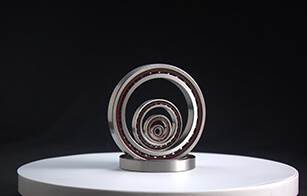
On September 26, 2023, the international standard ISO 24652 "Spherical plain bearings - Spherical plain bearings rod ends for hydraulic fluid power cylinders" in the field of rolling bearings, developed under the leadership of China, was officially released. This marks the first time that China has taken the lead in formulating an international standardization document in the field of rolling bearings, ISO/TR 20051:2010 "Derivation of Rated Load Coefficient of Spherical plain bearings", and has also taken the lead in formulating a formal international standard in the field of rolling bearings, thus achieving another breakthrough in China's international standardization work in rolling bearings.ISO 24652 was led by Luoyang Bearing Research Institute Co., Ltd., and jointly drafted by Fujian Longxi Bearing (Group) Co., Ltd., Taizhou Kejin Bearing Co., Ltd., and Shanghai Bearing Technology Research Institute. This international standard is based on the industry standard JB/T 13611-2019 "Spherical plain bearings - Spherical plain bearings rod ends for hydraulic fluid power cylinders" in China. It was established in November 2019 and has undergone 12 international and 7 domestic working group meetings, lasting for nearly 4 years. Finally, it has been successfully released.Spherical plain bearings rod ends for hydraulic fluid power cylinders are mainly used on the piston rod of hydraulic cylinders, transmitting large institutional loads by connecting the cylinder body and accessories. This type of Spherical plain bearings is widely used in hydraulic cylinders on various construction equipment, agricultural machinery, lifting equipment, and heavy-duty control equipment. ISO 24652 specifies the structural types, dimensions, tolerances, and technical requirements of Spherical plain bearings rod ends for hydraulic fluid power cylinders, which helps to unify the delivery of Spherical plain bearings rod ends for hydraulic fluid power cylinders by manufacturers from various countries and ensure that users use standardized connectors.As a domestic technology counterpart of the International Organization for Standardization Rolling Bearing Technical Committee (ISO/TC4), ZYS will further consolidate industry strength and promote more Chinese technical solutions to the international standardization stage!
2023-10-09
More >>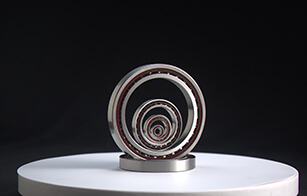
On September 21, ZYS Party Committee Secretary and Chairman Gao Yuanan was invited to attend the "Heli Cup" Second National Machinery Industry Product Quality Innovation Competition Award Ceremony. The "Overrunning Clutch Component Product Quality Innovation Project" applied by ZYS went through multiple rounds of fierce competition organized by industry experts, including online preliminary review, professional association review, and final review, and finally stood out from more than 440 applied projects across the country and won the award. Gold medal in the National Machinery Industry Product Quality Innovation Competition.The National Machinery Industry Product Quality Innovation Competition is a national quality evaluation activity for the machinery industry initiated by the China Machinery Industry Federation. The event focuses on the quality issues of machinery industry products, solving bottlenecks in development, continuously improving and perfecting the industry's scientific and technological innovation system, and promoting the transformation and upgrading of the machinery industry.Taking technological innovation as the guide and product quality as the guarantee is the only way and the fundamental strategy to achieve an everlasting business and practice high-quality development. ZYS will take this award as an opportunity to continue to adhere to innovation-driven, quality optimization and other measures, and create a "brand benchmark" for the machinery manufacturing industry with more original and breakthrough green, high-end, and localized solutions to promote implementation A manufacturing powerhouse and a quality powerhouse will inject surging momentum and contribute core strength!
2023-09-27
More >>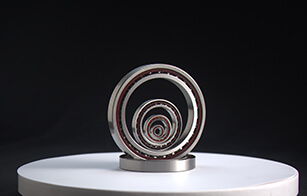
At the 2023 Dong'e China Bearing Rolling Element Industry High-Quality Development Conference held on July 17, Dong'e Steel Ball Group and Luoyang Bearing Research Institute Co., Ltd. signed the "Agreement on the Joint Construction of the National Rolling Element Technology R&D Center". The two parties will carry out in-depth industry-university-research cooperation in the field of rolling element research and development, and jointly build a national-level technology R&D center.Luoyang Bearing Research Institute Co., Ltd. is a high-tech enterprise specializing in the development of "High-end, precise, advanced, unique, Non-standard" bearing products for the key units in various fields of national economic construction. Its predecessor, Luoyang Bearing Research Institute, was established in 1958. It is the only state-level comprehensive research institute in China's bearing industry. In 1999, it entered China National Machinery Industry Group Co., Ltd. and transformed into a science and technology enterprise.ZYS focuses on developing high-performance bearing products for key units of national economic construction. We perform batch production of various high-rank bearing products and components with inner diameter of 0.6mm to outer diameter of 6.8m. We are mainly engaged in the research, development, production and sales of precision bearing, special bearing, high-speed machine tool spindle, bearing special equipment, bearing testing instruments, bearing testing machine and bearing special materials, which are widely used in the fields of, machine tools, wind power generation, mine metallurgy, petrochemical, medical equipment, automobiles and rail transit, construction machinery, intelligent manufacturing services, etc.
2023-07-20
More >>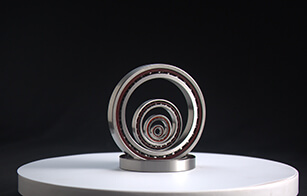
Angular contact ball bearings are a type of precision rolling element bearing widely used in various applications that involve rotational motion. These bearings are designed to handle both radial and axial loads simultaneously, making them ideal for applications where there is a combination of radial and axial forces acting on the bearing.The unique design of angular contact ball bearings allows them to accommodate high-speed and high-precision operations. They consist of inner and outer rings with a cage structure that holds the balls in place. The inner and outer raceways are designed at an angle to each other, typically 15 to 40 degrees, which enables the bearing to support axial loads in addition to radial loads.One of the key advantages of angular contact ball bearings is their ability to distribute the load evenly across the contact angle. This feature helps in reducing friction and minimizing heat generation, resulting in improved efficiency and extended bearing life. Additionally, the angular contact design provides increased rigidity and stiffness, ensuring precise positioning and minimizing deflection under load.Angular contact ball bearings are commonly used in a wide range of industries, including automotive, aerospace, machine tools, robotics, and industrial equipment. In automotive applications, they are found in wheel hubs, transmissions, and differentials, where they facilitate smooth rotation and efficient power transmission. In the aerospace industry, these bearings are utilized in aircraft engines, landing gears, and flight control systems to ensure reliable and precise operation.Machine tools heavily rely on angular contact ball bearings due to their ability to handle high speeds and accommodate combined loads. These bearings are commonly used in spindles, which are critical components in machining operations. By providing high rigidity and accuracy, angular contact ball bearings contribute to the precision and quality of machined parts.Angular contact ball bearings come in various designs and configurations to meet specific application requirements. These include single-row, double-row, and four-point contact bearings. They are available in different cage materials, such as steel, brass, or polyamide, depending on the desired performance characteristics and operating conditions.Regular maintenance and proper lubrication are essential for ensuring optimal performance and longevity of angular contact ball bearings. Periodic inspections and replacements, when necessary, help prevent premature wear and potential failures.In summary, angular contact ball bearings are precision components that offer high-speed capabilities, combined load handling, and exceptional accuracy. Their versatility and reliability make them indispensable in numerous industries, enabling smooth and efficient rotational motion in a wide range of applications.
2022-05-26
More >>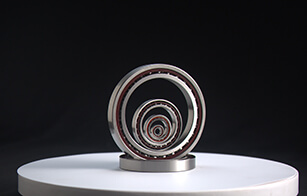
In a major breakthrough for the mechanical engineering industry, researchers and engineers have unveiled groundbreaking advancements in four-point contact ball bearing technology. These innovations are poised to revolutionize various sectors that heavily rely on precision motion control systems, including automotive, robotics, and industrial machinery.Here are the key highlights of this exciting development:Enhanced Load Capacity and Durability:Through meticulous design and engineering, experts have successfully increased the load capacity and durability of four-point contact ball bearings. This means that these bearings can now withstand heavier loads, making them even more versatile for a wide range of applications. Industries such as heavy machinery will greatly benefit from this increased load capacity, as it will lead to improved performance and reliability.Optimal Angular Contact:The latest advancements in four-point contact ball bearing technology have resulted in optimized angular contact capabilities. This means that the bearings can now maintain a constant and precise contact angle, even under heavy loads and high-speed rotations. Such stability ensures smoother and more efficient motion control, reducing friction, and minimizing wear and tear. This breakthrough will have a significant impact on industries that require precise and dynamic movement, such as robotics and automation.Improved Sealing Mechanisms:Addressing a long-standing challenge in bearing technology, engineers have introduced advanced sealing mechanisms for four-point contact ball bearings. These new seals offer enhanced protection against contaminants, such as dust, moisture, and debris, extending the lifespan of the bearings and reducing the need for frequent maintenance. The improved sealing technology will be particularly advantageous in demanding environments, including automotive applications and industrial machinery.
2022-05-20
More >>
1. Structural design of shaft system2. Assembly scheme of parts on the shaft3. Circumferential positioning of parts on the shaft4. Axial fixation of shafting5. Shaft adjustment6. The manufacturability of the shafting structure 7. Measures to improve the fatigue strength of the shaft and the stiffness of the shafting
2022-04-27
More >>
Bearing cage, also known as bearing retainer, is one of the main parts of the bearing. The function of the bearing cage is to wrap and isolate the rolling elements and move with them, and usually also has the function of guiding the rolling elements.The main function of the bearing cage:1. Keep an appropriate distance between the rolling elements to prevent the rolling elements from contacting each other to reduce friction;2. Make the rolling elements evenly distributed, so that the load is evenly distributed;3. Guide the rolling elements in the no-load area to improve the rolling conditions in the bearing and prevent destructive sliding.
2022-04-13
More >>
The main chemical components of bearing steel are carbon, chromium, silicon, manganese, nickel, molybdenum, vanadium and so on.I. Carbon effectsExcept carburized steel, the carbon content of bearing steel is 0.95-1.15%, which belongs to hypereutectoid composition. Thus, high hardness, high contact fatigue strength and wear resistance can be obtained after quenching and tempering at low temperature. In order to form enough carbides to increase the wear resistance, the carbon content should not be too low, but too high carbon content will increase the non-uniformity of the carbides and make the mechanical properties of the carbides decrease with the formation of reticular carbides.II. Effect of alloy elementsChromium is the main chemical component of bearing steel. Chromium can improve hardenability, reduce overheating tendency and improve low-temperature tempering stability. Silicon and manganese in bearing steel mainly improve hardenability. Nickel in Carburized bearing steel can improve the toughness and plasticity of steel. Nickel can improve the fatigue resistance of steel and reduce the sensitivity of steel to notch. Molybdenum in steel can improve hardenability and thermal strength, prevent tempering brittleness and increase corrosion resistance in certain medium. Vanadium increases the strength and yield ratio, especially the ratio limit and elastic limit, and reduces the decarburization sensitivity during heat treatment. Thus the surface quality of bearing steel without chromium and vanadium is improved.
2022-03-23
More >>
Bearing clearance is the clearance (or interference) inside a single bearing or a system composed of several bearings. The clearance can be divided into axial clearance and radial clearance, which depends on the bearing type and measurement method.Why should the bearing clearance be adjusted?If the bearing clearance is too large or too small, the working life of the bearing and even the stability of the entire equipment operation will be reduced.The method of clearance adjustment is determined by the bearing type, which can generally be divided into non-adjustable clearance bearings and adjustable bearings.The non-adjustable clearance bearing means that the clearance of the bearing is determined after the bearing leaves the factory. The well-known deep groove ball bearings, self-aligning bearings, and cylindrical bearings all belong to this category. Adjustable clearance bearing means that the relative axial position of the bearing raceway can be moved to obtain the required clearance. In this category, there are tapered bearings, angular contact ball bearings and thrust bearings.For non-adjustable bearing clearance, the industry has corresponding standard values (CN, C3, C4, etc.), and specific clearance ranges can also be customized.The choice of the best working clearance is determined by the application conditions (load, speed, design parameters) and expected working conditions (maximum life, best stiffness, low heat generation, ease of maintenance, etc.).
2021-11-16
More >>
From January to March, domestic crude steel production of bearing steel increased by 23.97% year-on-year, and the output of bearing steel increased by 17.08% year-on-year. Looking back at the bearing steel market in April, the domestic bearing steel market prices continued to rise, driven by the rising cost of steel mills and the strengthening of the futures market in late April. Up to now, the average price of domestic bearing round steel 50mm (continuous casting) is 6255 yuan/ton, an increase of 155 yuan/ton from the end of March, an increase of 2.54% month-on-month. At present, downstream procurement costs have increased significantly compared with previous years. Excessive capital pressure has led to a slight slowdown in downstream procurement efforts, and the overall acceptance of high levels by terminal enterprises is low. With the announcement of the cancellation of export tax rebates for steel products, enterprises are more concerned about the subsequent impact on the export of bearing steel. However, in the recent stage, under the background of good fundamentals and high demand, under the stimulus of the continuous increase in the price of high-quality steel, it is expected that the market price of bearing steel in May may continue to rise.
2021-05-07
More >>
Recently, Wuxi Huayang Rolling Bearing Co., Ltd. (hereinafter referred to as "Huayang") and Luoyang Bearing Research Institute Co., Ltd. held an unveiling ceremony for the "United Technology Center" jointly established. Senior leaders from both sides attended the unveiling ceremony.Huayang is a big enterprise integrating R&D, manufacturing and sales of rolling bearings, especially in the fields of deep groove ball bearings, one-way bearings. It has a high reputation at home and abroad. Luoyang Bearing Research Institute Co., Ltd., affiliated to China National Machinery Industry Corporation, is the only national comprehensive technical research institution in the domestic bearing industry and is well-known in the field of angular contact ball bearings. The two parties will carry out close and comprehensive cooperation in industrial development planning, technological innovation research and development, process tooling, testing, basic research and other comprehensive technologies based on the principle of mutual benefit.
2021-03-24
More >>
Recently, Five ministries including the National Development and Reform Commission jointly issued a document "Notice on the release of 2020 (27th batch) new certification and the list of all national enterprise technology centers" (Fagai High Technology [2020] No. 1918). The technology center of Luoyang Bearing Research Institute Co., Ltd. was newly recognized as a national enterprise technology center.
2021-01-05
More >>
Dear ZYS friends, Thank you for your long-term attention and support to ZYS Bearing! 2020 China International Bearing Industry Exhibition is about to open. We sincerely invite you to visit our booth to discuss and communicate with us. Look forward to seeing you!2020 CHINA INTERNATIONAL BEARING INDUSTRY EXHIBITIONDate:2020/12/09—12Address:National Exhibition and Convention Center (Shanghai)ZYS Booth No. : 4.1 A066 Website: www.zysbearing.comEmail: sales@zys.com.cn
2020-12-07
More >>
In May 2020, the first ISO standardization document ISO/TR 20051:2020 in the field of rolling bearings developed by China-\"Derivation of Rated Load Coefficient of Joint Bearings\" was officially released. This document is the first time that China has taken the lead, and led by Luoyang Bearing Research Institute Co., Ltd. with the participation of Fujian Longxi and Huangshan Colleges. Its release has achieved a zero breakthrough in the field of international standardization of rolling bearings in China.The ISO/TR 20051 project was established in May 2015. After the 4th edition of the WD draft and multiple CD draft revisions, it was finally successfully released and constituted a key supplement to another international standard ISO 20015:2017 \"Calculation of the rated dynamic and static load of Joint Bearings\". ISO 20015 gives the engineering calculation method for the rated dynamic and static load of joint bearings, but does not give the core content-the derivation method and recommended value of the rated load factor, that is, the theoretical basis, Mathematical model, derivation process and numerical results for determining the coefficient in each calculation formula. ISO/TR 20051 provides background information for this part of the content, which is an important supplement to ISO 20015, and forms a complete standard system together with ISO 20015. When countries have unified the rated load factors of joint bearings, the rated load values of joint bearings can be unified, so that users of joint bearings can use the same standard to measure the quality of bearings and help bearing manufacturers improve their quality.The successful release of ISO/TR 20051 marks the further improvement of China\'s influence and right to speak in the field of rolling bearing international standardization, and will also accumulate valuable experience for my country to undertake other rolling bearing international standard formulation projects in the future.
2020-08-17
More >>
Industrial robotic bearings are high end products that have evolved from the accelerated pace of industrialization within the country the market base is very broad. At the end of November ZYS’s new thin-section slewing bearing for heavy duty industrial robots came off the assembly line and was delivered to the customer. The successful development of this product has expanded ZYS’s market share in this field and allowed us to play a critical role for any Robotic manufacture this also allows ZYS to expand this high end product market. ZYS’s new heavy duty industrial robots thin walled bearings rolled smoothly off the assembly line and are sent to the customer. The successful development of this product has captured a segment of the company’s manufacturing base and is targeted for further expansion to play a critical role for the company’s growth in this high end products market.
2017-09-11
More >>
The State Administration of Industry and Commerce released the results of 2016 well-known Trademark in China on 8th, October, there are total 296 Well-known trademarks this year. It's the second time for ZYS to be identified as "Well-known trademarks in China".The "Well-known trademarks in China" identified by the State Administration of Industry and Commerce is China trademark that protected by International Law worldwide, it's the highest honor in trademark domain in China. After releasing, government will strengthen efforts to fight against the counterfeit, fake events of Well-known trademarks, to protect enterprises' legitimate rights and interests.
2017-08-22
More >>
ZYS will attend Bearingnet USA user Meeting from 7-9.9.2017.In this meeting,there are more bearing manufacturers and distributors there,and it's exactly matching our products--top quality bearings.We now mainly provide super precision robot bearings:angular contact ball bearings and crossed roller bearings.We also can offer other types of robot bearings according to customer's request. Welcome to contact our general manager Mr dong tel:18937963793,we can talk about our products face to face.
2017-08-18
More >>
ZYS Hybrid Ceramic Ball Bearing Line Ideal for Electrical Machinery and General Industry Applications - Excellent electric insulation properties with high-speed and temperature capabilities Plymouth, MI… ZYS Americas, the North American subsidiary of The ZYS Group, China’s largest bearing producer, and one of the world’s top 10 bearing manufacturers offers a wide range of hybrid ceramic ball bearings for electrical machinery and general industry applications. ZYS hybrid ceramic ball bearings are engineered to maximize the benefits of precision steel ring construction and lightweight ceramic balls. In addition to delivering excellent electric insulation properties, they provide a higher-speed and higher temperature capability and longer service life than all-steel bearings in most applications. The bearings are available in a variety of configurations with bores from 17 – 90 mm, ODs from 40 – 190 mm, and speed ratings as high as 21,600 RPM/min. Better high-speed, high temp capability ZYS hybrid ceramic bearings are constructed of steel rings and silicon nitride (Si3N4) balls, which are approximately 40% of the density of steel. This gives the bearings a lower inertia and better high-speed capability than standard bearings. The lower inertia results in less loading on the raceway and provides superior performance during rapid acceleration and deceleration. The silicon nitride balls also have a lower coefficient of friction so they generate less heat at high speed, greatly improving the life of the grease and the bearing. As a result, the bearings are less sensitive to temperature changes and high temperature operating conditions that can affect both running accuracy and internal clearance. Less wear and false brinelling The silicon nitride used in ZYS hybrid ceramic bearings is much harder than steel, which improves the overall stiffness of the bearings and makes them resistant to damage from contamination. ZYS hybrid ceramic bearings are also less susceptible to false brinells. When a stationary bearing is subjected to external vibration, the metal-to-metal contact between the balls and raceways can result in abrasions known as false brinells. The wear particles created by false brinells can contaminate and breakdown the lubricant, causing increased noise and vibration. Excellent electrical insulation ZYS hybrid ceramic bearings are ideal for use in electric motors and generators that are prone to stray electric currents. The bearing design insulates the inner ring and the outer ring of the bearing, effectively preventing the flow of stray currents. This helps to avoid arc-pits and secondary damage that can result in increased noise and vibration, heat generation, lubricant breakdown, and premature failure of the bearing. Replaces both hybrid ceramic and conventional bearings ZYS hybrid ceramic bearings can be used as direct replacements for existing hybrid ceramic bearings as well as conventional bearings in all applications. They are lubricated for life with Mobil Polyrex EM grease and sealed with low-torque, non-contact seals (-2RZ) to ensure optimum efficiency for torque-sensitive applications and adequate protection from contamination. Handling and mounting are identical to steel bearings, so standard installation tools and methods can be used. ZYS Americas offers a full line of bearing types and styles for use in original equipment manufacturing, aftermarket replacement, and MRO operations. The ZYS portfolio includes over 30,000 types of bearings in a wide range of specifications and sizes ranging from 1.5mm ID to 4000mm OD. As China’s largest bearing producer, and one of the world’s top 10 bearing manufacturers, ZYS utilizes the formidable production capabilities of its nine manufacturing centers, 34 bearing plants, and 22 vertically integrated component plants to produce over 2.8 million bearings per day. ZYS relies on state-of-the-art manufacturing and stringent QC in order to maintain its leadership position in the bearing market.
2017-08-14
More >>
The Ability Of ZYS Testing Bearing Improves Substantially.Recently, bearing test center of ZYS National Large Bearing Engineering Research Center has passed CNAS laboratory accreditation reassessment smoothly. Through continuous construction, adding testable inspection items and expanding testing scope, the ZYS’s ability of testing bearing has improved constantly. To pursue its fast development in bearings, recently, bearing test center added high-speed tester. Now it has been running on the spot and completed tests for high-speed bearings with multiple specifications, which made it possible that the new developed high-speed bearing was sufficiently validated in the lab. Besides, bearing test center also added dynamic balance detector for cages, high/low automatic impact testing machine, metallographical detector, hardness detector and so on, in order to provides a solid underpinning for improving accuracy of test data. ZYS bearing test center is a comprehensive bearing testing laboratory that combines with inspecting, testing, analyzing, researching, identifying and evaluating together. It owns many professional test platforms for windpower bearing, machine tool bearing, automotive bearing and railway bearing, and has the only one test machine in China to test over sized bearing. At present, the test scope and test ability of ZYS test center rank Top 1 in national bearing industry.
2017-08-04
More >>
ZYS Has The Ability To Carry Out Mass Production Of CC Design Spherical Roller Bearings CC design spherical roller bearings are mainly applied in industries of gearbox, blast blower, paper making, steel, shipping, coal mine machinery, power and so on. At present, multiple types of spherical roller bearings of ZYS have the ability to carry out mass production. Developing CC design spherical roller bearings is one of the key strategies of ZYS to adjust structure and upgrade products. ZYS is able to provide three series of spherical roller bearings with high quality including heavy, medium and light series, which have achieved the world-class level. On basis of advanced technical process, stable quality system and lean manufacturing mode, ZYS is offering customers superior products and services.
2017-08-03
More >>
ZYS takes the remanufacturing head start of shield tunneling machine in china Recently, ZYS. and China railway tunnel group jointly held Tunnel Boring Machine remanufacturing main bearing usage assessment meeting in Guangzhou. ZYS successfully passed the expert group evaluation for Guangzhou metro line No. 4 south 5 standard items project of Tunnel Boring Machine remanufacturing assort main bearing, which makes ZYS. become the first domestic through industry evaluation enterprise of Tunnel Boring Machine remanufacturing main bearing. It marks that firstly break Tunnel Boring Machine main bearing remanufacturing technology. The relevant responsible officer of ZYS introduce, Since last year's computer use the complete set of Tunnel Boring Machine remanufacturing main bearing which the enterprise assort for the project, so far it has been tunnelling 1.5 kilometers on the complex condition of Guangzhou metro line No. 4 south 5 standard items.
2017-07-27
More >>
High speed dental drill bearing is the heart of high speed dental handpiece. 17 years ago, ZYS was the first one to devote in its design and new material use. ZYS dental drill bearing can give a stable performance as 400 thousand revolutions per minZYS (RPM), which has led dental treatment to a painless era.S418 and S718 series dental drill bearing, the ferrule and balls are made of 440C stainless steel. ZYS also makes silicon nitride ceramic ones according to customer request. Currently, we are using stainless steel balls from Japan and Si3N4 silicon nitride ceramic balls from Saint-Gobain (USA).We use super resin material with titanium fibers to make ZYS’s self-developed S418 series dental drilling bearing support frame. Since the hardness of titanium fiber is much lower than fiber glass, it protects the counterpart from friction. We also added some portion of solid lubrication in this resin to reduce friction and let the bearing endure longer friction under high speed rolling. The lubrication capability of this material is quite suitable for dental drilling bearings to take high temperature and high pressure steam sanitization time after time, even in oilless condition. Because of the low friction of ZYS dental drilling bearings, it consumes less power but produces strong output performance. It also saves time and man power, preferred by many dental experts.
2017-07-24
More >>
ZYS Lubricant-free Bearings will Protect Environment The Iglidur plain bearings from Igus are tribologically optimised to ensure that no lubrication is ever required. Over 40% of all lubricants are ultimately released into the environment, seeping into water or soil, or evaporating into the atmosphere. A study by a research team of chemists, mechanical engineers and environmentalists at the RWTH University in Aachen, Germany, found that Germany alone consumes 250,000 tonnes of lubricants each year. To put this into perspective, this would fill 8000 standard tanker lorries. Most countries have a threshold level permissible in waste streams and hundreds of millions of pounds are spent annually treating aste water to get to acceptable levels. The Iglidur plain bearings from Igus are tribologically optimised to ensure that no lubrication is ever required. These bearings run without any oil or grease, so no contaminants escape into the environment. More and more applications which traditionally use lubricated metal plain bushes can now benefit from environmentally friendly plastic Iglidur bearings. While 15 litres of oil are required to produce 1 litre of aluminium and 11 litres of oil to make 1 litre of steel, only 1.8 litres of oil are necessary to produce 1 litre of plastic. In fact, only 4% of the world's oil production is used in the manufacture of plastics and this value is likely to decrease with the progress that is being made in the organic production of polymers. The first steps are being made in extracting carbon dioxide from power station emissions and using this to produce polymers such as polycarbonate and polyurethane. As well as the "no lubrication" environmental benefit of Iglidur bearings, there is also the issue of weight reduction. The light weight bearings help to reduce the fuel consumption and carbon dioxide output of vehicles, aircraft and plant machinery. The reduced weight leads to a lower required drive force and subsequently lower energy consumption. Iglidur polymer plain bearings have, as standard, high chemical resistance, whereas metal plain bearings often have to be coated to achieve this. The coating methods used include zinc plating, treatment and galvanising, consuming more energy. Iglidur plain polymer bearings are designed to be dimensionally interchangeable with lubricated plain metal bearings.
2017-07-21
More >>
ZYS will attend HANNOVER Show ZYS will attend hannover Show from 18-23.9.2017.In this exhibition,there are more bearing manufacturers and distributors there,and it's exactly matching our products--top quality bearings.We now mainly provide super precision robot bearings:angular contact ball bearings and crossed roller bearings.We also can offer other types of robot bearings according to customer's request. Welcome to visit our booth 006L53,we can talk about our products face to face.
2017-07-20
More >>
Recently, bearing test center of ZYS National Large Bearing Engineering Research Center has passed CNAS laboratory accreditation reassessment smoothly. Through continuous construction, adding testable inspection items and expanding testing scope, the ZYS’s ability of testing bearing has improved constantly.To pursue its fast development in bearings, recently, bearing test center added high-speed tester. Now it has been running on the spot and completed tests for high-speed bearings with multiple specifications, which made it possible that the new developed high-speed bearing was sufficiently validated in the lab. Besides, bearing test center also added dynamic balance detector for cages, high/low automatic impact testing machine, metallographical detector, hardness detector and so on, in order to provides a solid underpinning for improving accuracy of test data.ZYS bearing test center is a comprehensive bearing testing laboratory that combines with inspecting, testing, analyzing, researching, identifying and evaluating together. It owns many professional test platforms for windpower bearing, machine tool bearing, automotive bearing and railway bearing, and has the only one test machine in China to test over sized bearing. At present, the test scope and test ability of ZYS test center rank Top 1 in national bearing industry.
2017-07-12
More >>
In recent days, Luoyang Office of Science and Technology announced a list of Luoyang Science and Technology Progress Award in 2017, the project submitted related to critical technical research and application for heavy axle load railway wagon rolling bearing won the first prize, other four projects obtained second prize, for instance, critical technical research on reclaimer extra-large size thrust ball bearing, critical technology of self-lubricated high temperature bearing for metallurgical equipments, critical technology of cylindrical roller bearing unit for precision pump industry, critical technology research and application for high temperature sealed commercial vehicle eddy current retarder.The project of Critical Technology research and application for Heavy load railway wagon bearing, by deep in and research with proprietary intellectual property rights in design, manufacturing and testing to heavy load railway wagon bearing, and comparison testing with products from foreign famous company, reached equivalent life, can totally substitute imported railway wagon journal box bearing, and realize the situation of the heavy railway wagon bearing has been monopolized by overseas supplier, which guarantee the completion of the research on heavy axle load long consist heavy load railway wagon.By implement research and application to critical technology in heavy axle load railway wagon bearings, the company breakthrough critical technology in heavy axle load railway wagon, built heavy axle load railway wagon bearing research development platform and industrial base, which improves railway wagon bearing’s design and manufacturing level and market competitiveness.
2017-07-10
More >>
ZYS developed high-speed rail bearings reached the international advanced levelRecently, In ZYS large high-speed railway bearing testing machine, ZYS rail bearings that the speed of 350 km high-speed rail test mileage exceeded 1.08 million km.ZYS axle box bearing of 350 km per hour railway passenger has successfully completed the requirement of Ministry Industry, ZYS independent research and development of the country's only advanced testing platform, the company's commitment to the national "863" program of key projects for China's independent development of high-speed rail bearings to provide test data, so that China's railway bearing test technology reached the international advanced level.ZYS is the R&D railway bearing enterprises ,professional development and pruduct the railway bearing ,passenger baring,cargo bearing ,rolling bearing.and participation in the formulation of national standards for railway bearing,ZYS mainly produces high speed railway passenger car,truck,motorcycle,city subway and light rail trains and other specail bearings, ZYS invest 200000000 RMB to the latest CNC composite equipment abroad,the overall production equipment strength has reched the frist domestic,international advanced level,the whole company through the ISO9001 quality management system certification ,crcc certification,ZYS products are widely applied the railway truck bearing has been successfully exported to the international markets.
2017-07-04
More >>
ZYS developed the new type CT machine mainshaft bearingsOn the june10st, The new type CT machine mainshaft bearings developed by ZYS is offline in oversize bearings business division, and get through some foreign customer acceptance inspection. The bearing adopts the new structure of company research and development , high technical requirements, the noise of 120rpm≤68dB. The smooth acceptance inspection of this structured products lay a solid foundation for the company production higher speed CT machine mainshaft bearings. The picture shows that the staff are running-in test on the bearing.
2017-07-04
More >>
“China international bearing technology and service exhibition " is approved by China Ministry of Science and Technology of and the unique high-end exhibition platform focusing on "technological innovation and modern manufacturing services” in China bearing industry.The first exhibition will be held on October 19 to 21, 2015 in Luoyang. Luoyang is also rich in technology resources and high science and technology innovation for bearing industry, and the most important bearing industry gathering area and the equipment manufacturing base, having such as China YTO, CITIC and such heavy industries, which makes exhibitor resources and target customer resources abundant.The exhibition is co-sponsored and undertaken by the Chinese bearing industry's unique state-level scientific research institution, Luoyang Bearing Research Institute Co., LTD., National Bearing Quality Supervision and Inspection Center, and other companies. The exhibition has strong technical support and technical service can spread at home and abroad, so the exhibition effect will be remarkable.The exhibition mainly shows the latest scientific and technological achievements and products for bearing and relevant industries, including new technology, new materials, new equipments, new products, new technology, new standards, etc., at the same time providing technical, market, project, finance, talents, information, e-commerce and other technical service interactive platform fast passage for enterprises and merchants.The exhibition will hold series of activities, including scientific and technological achievements conference of scientific research institutes, universities, key enterprises; patent technology promotion and trading negotiation; bearing technology development peak seminar; British ROMAX and ZYS jointly developed bearing design software demonstration; the 2nd Session of the national bearing industry inspectors’ competition; bearing technical literature exhibition, talent exchange meetings between supply and demand of Henan University of Science and Technology and Luoyang Bearing Senior Technician School, etc.Autumn, harvest season! Well-known enterprises, colleges and universities, research institutions at home and abroad gather in Luoyang, pursuing bearing industry technology development.Sincerely invite your esteemed enterprise to exhibit and exchange, enhance the technology level, expand the development space, and create a better future!aa
2015-07-07
More >>
ON March 25th and 26th, 2013 ZYS distributors meeting was held in Luoyang Grand Hotel. More than 80 delegates of 47 participant units from all over China attended the meeting.Mr. Wang Jinghua, ZYS general manager, delivered a warm speech, and presented the recent development of ZYS to the delegates. Mr. Zhu Kongmin, director of operations, made the Company 2012 business report. Mr. Gu Wenhui from business planning department made a detailed description for the relevant provisions in the distributor agreement. Ms. Wu Suqin from information technology department demonstrated the product inventory querying system.2012 Excellent Distributors, Beijing Guangzhongshidai Technology Co., Ltd., Shanghai Xunsheng International Trading Co., Ltd. and Kaping Zhiye Bearing Co. ltd. were commended in the meeting.Each department of ZYS has held promoting and exchanging activities of their main products for delegates. These are special bearings, railway traffic bearings, precision bearings, electric spindle, heavy large bearing, large bearings, clutch, special material products, grease, bearing equipments, bearing testing machines, automobile bearings, agricultural machinery bearings. The delegates also visited the workshops in the first and second industrial parks.During the meeting, general manager, Mr. Wang Jinghua, and business planning department also interviewed the distributors and signed the "2013 task responsibility book".
2013-04-15
More >>
Recently, our company and its subsidiary company, Luoyang Bearing Research Institute Co., Ltd., both wan the second prize of the technical trading "Top Ten Units" which was first established by Luoyang government. Another subsidiary company, Luoyang Bearing Precision Machinery Co., Ltd. wan the technical trading "Top Ten Fast Units".To promote the combination of the technology and the economy, and to deepen the national innovation pilot city construction, Luoyang government annually established the special funds of two million RMB to award the "Top Ten Units" and "Top Ten Fast Units" in technical trading.To meet the qualification of the technical trading "Top Ten Units" and "Top Ten Fast Units", technical contract turnover in previous year must be in top ten, and its growing speed is also in top ten.The technical contracts turnover of "Top Ten Units" should not be less than 10 million RMB. "Top Ten Fast Units" should have the effective technical contract turnover in two consecutive years, and the technical contracts turnover should not be less than 500,000 RMB. Technical Trading "Top Ten Units" is divided into the first, second and third prize, respectively, being awarded 200,000 RMB, 100,000 RMB, 50,000 RMB. The Technical Trading "Top Ten Fast Units" are rewarded 100,000 RMB respectively.
2013-03-19
More >>
Recently, ZYS was selected in the whole province's 2013 100 high growing enterprises.Since 2011, the government of Henan province has started to choose 100 enterprises with large scale and benefit, and another 100 high growing enterprises within the province. The government set special policies and gave priority support to them. These enterprises will enjoy the preferential policies of credit funds, land use, coal oil and gas transporting security and so on.Company was selected in the Henan province “100 high growing enterprises” for three consecutive years.
2013-03-08
More >>
Recently, ZYS precision slewing bearing for large diameter telescope got the acceptance form the expert group. The bearing with heavy load and low friction was developed by ZYS itself. The key technical index of the rotating precision, friction torque reached the requirements of the precision slewing bearing, and could meet the requirements of the host machine. The quality in leading level of China filled the domestic blank.The bearing, the outside diameter of which is about 4 meters, is a kind of double-row different ball diameter slewing bearing. It requires high load carrying capacity, high precision, low friction torque, reliable sealing and lubricating.
2012-11-30
More >>
Sponsored by the China Bearing Industry Association, the thirteenth "2012 China International Bearing Industry Exhibition" was held from September 20th to September 23rd at the Shanghai World Expo Exhibition Center. The exhibition area was of 42,000 square meters, and there were 775 exhibitors from 15 countries and regions, over 67 foreign exhibitors.Our Company showed the products of high speed precision bearings for machine tool spindle, precision angular contact ball bearings for ball screw support, high-speed spindle bearings, precision bearings for machine tools in photovoltaic industry, turntable bearings, wind turbine bearings, rod ends bearings for shield tunneling machine, rolling mill bearings, high-speed rail bearings, auto bearings, crane sheave bearings, turbocharger bearings, hydrodynamic bearings, hybrid ceramic ball bearings, ceramic products, high-speed grinding spindle, cage materials , anti-rust lubricant, bearing induction heater, 3MK1320B Full automatic inner raceway grinder, PCR-120 cold rolling machine, XM200 surface profile measuring instrument, Y9030D and Y9014G roundness measuring instruments, X093 radial clearance measuring instrument, and etc., all of which represent our latest products of seven industry sectors.On September 20th afternoon, we held a new product release conference and four thematic technical exchange activities in the 6th conference room in the exhibition hall. On September 21st, the relevant technicians also participated in the docking meeting between bearing development and machine tool, construction machinery, automobile, which was also held by China Bearing Industry Association at the same time.During the exhibition, there were lots of visitors visiting our company’s booth, and more than ten thousand copies of the 20 different types of propaganda materials were almost distributed out. Our uniformed staff conducted the business duties well and received the visitors all over the world.The exhibition area was the largest to us, and we paid special attention to this exhibition. This exhibition showed our products well, enhanced our company's image, and we obtained the desired effect.
2012-11-02
More >>